
Pickled cucumber (pickle)
A pickled cucumber—commonly called a pickle—is a cucumber preserved in brine or vinegar, produced by fermentation or pickling. Varieties, preparation, culinary uses, history and food-safety notes are explained.
Overview
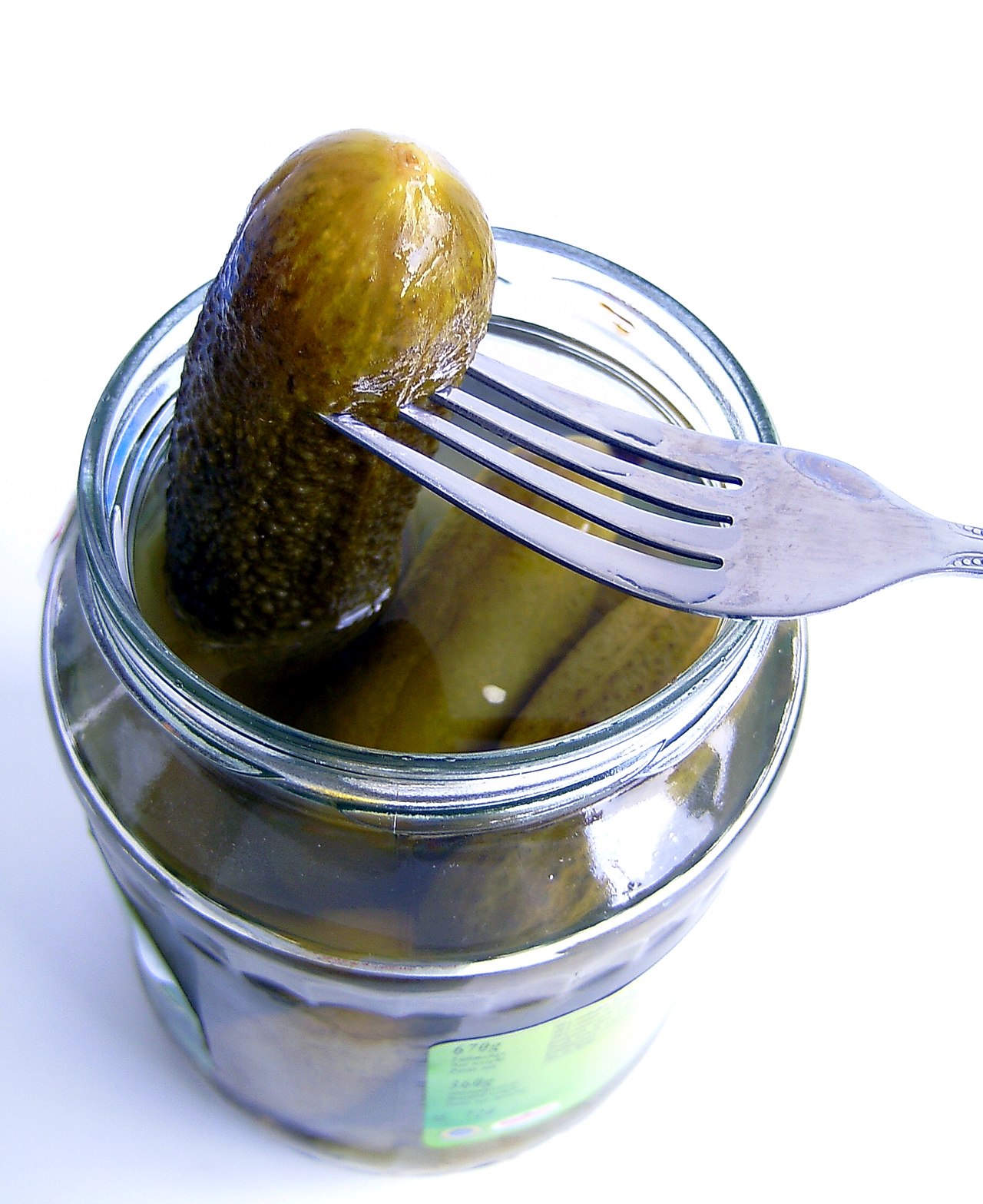
A pickled cucumber, widely known simply as a "pickle" in the United States and Canada, is a cucumber cucumber that has been preserved in a salty or acidic solution. Preservation is achieved either by soaking in vinegar or by allowing beneficial bacteria to transform the cucumber in a brine through fermentation. The process alters texture and flavor, producing a tangy, often crisp snack or condiment.
Image gallery
10 Images


Preparation and preservation
Basic pickling uses two approaches: quick pickling in a hot or cold vinegar (vinegar) solution, and traditional lacto-fermentation in salt water. Quick pickles require no fermentation time and rely on acidity for preservation; fermented pickles develop complexity as lactic acid bacteria consume sugars and create acid naturally. Temperature, salt concentration and the cucumber variety affect final crunch and taste.
Common varieties
- Dill: flavored with dill weed and seeds.
- Kosher: a brined style known for garlic and dill notes.
- Sweet: cooked in a sugary spiced brine.
- Gherkins and baby pickles: small-fruited types prized for crispness.
Pickling is also applied to other foods such as onions, cabbage (sauerkraut and kimchi) and preserved fish like herring.
Culinary uses and examples
Pickles are served whole, sliced or chopped as condiments and side dishes. They commonly accompany sandwiches and burgers, and are used to add acidity to rich foods. In many menus they top meat preparations or are served alongside fried foods; they are also a familiar garnish for hotdogs.
History and cultural notes
Pickling is an ancient preservation method used worldwide. Cucumbers were pickled in several regions to extend their edible season and to transport nutrients. Regional recipes and spice blends vary widely, producing distinct national or local pickle styles. The word "pickle" itself has different meanings across English-speaking areas, so regional context matters.
Nutrients and safety
Pickles are low in calories and provide modest amounts of vitamins and antioxidants from their raw ingredients, but many commercial and home recipes are high in sodium. Fermented pickles can contribute beneficial probiotics when unheated, while vinegar pickles do not rely on live cultures. For safety, commercially canned pickles follow tested recipes; home pickling should follow trusted guidelines to avoid spoilage.
Related articles
Author
AlegsaOnline.com Pickled cucumber (pickle) Leandro Alegsa
URL: https://en.alegsaonline.com/art/76733