
Pizza: Origins, Ingredients, Styles, and Cultural Impact
An overview of pizza: its origins in Naples, common ingredients and preparation, regional variations, cultural importance, and notable distinctions in modern cuisine.
Overview
Pizza is a widely enjoyed savory dish that originated in Italy and has since become a global staple. At its simplest, pizza consists of a flattened dough base topped with a sauce, cheese and other ingredients, then baked until the crust is cooked and toppings are set. Although modern varieties range from thin and crisp to thick and chewy, the basic concept—bread topped with flavorful ingredients—remains constant. Pizza is associated with Italian food and its contemporary popularity can be traced back to the urban kitchens of southern Italy and the heritage of Italy.
Image gallery
10 Images



Ingredients and basic preparation
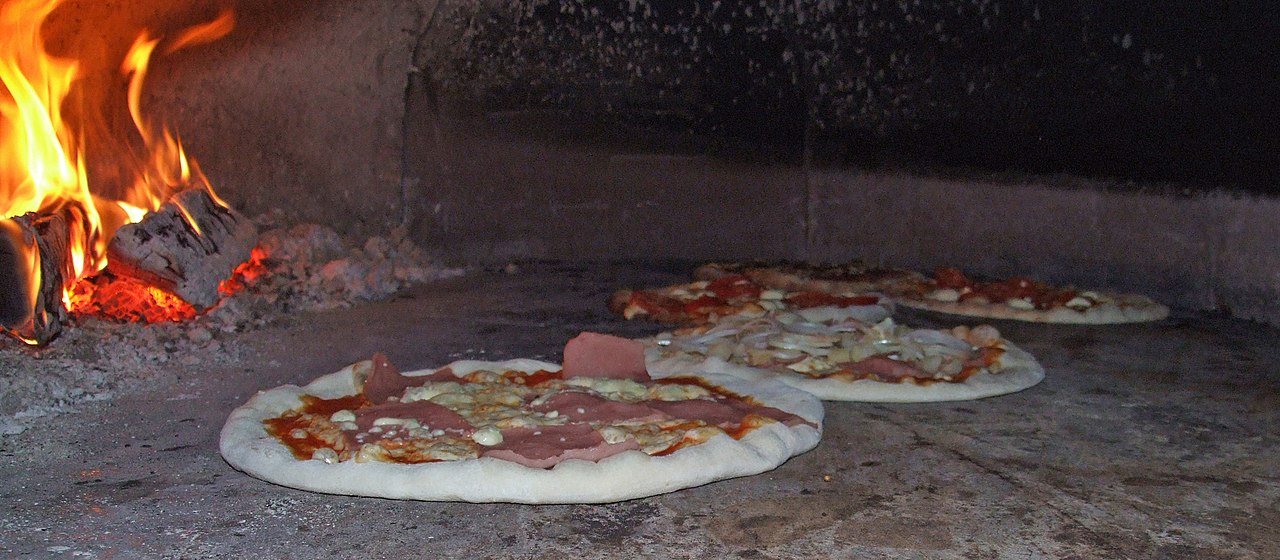
The essential components of most pizzas are dough, a spread (often tomato-based), cheese and a selection of toppings. Traditional dough is made from wheat flour, water, yeast, salt and sometimes olive oil; after rising it is shaped into a disc commonly called the crust. The most familiar spread is a tomato-based sauce, though alternative bases such as olive oil, cream or butter are used in some recipes—butter-based sauces appear in certain regional styles. A variety of cheeses may be used, with mozzarella being the classic choice. Typical toppings include cured meats, fresh or roasted vegetables, aromatic spices and leafy herbs.
Common toppings and combinations
- Cheeses and dairy: mozzarella, ricotta and others (cheese).
- Meats: sausage, pepperoni and cured cold cuts (pepperoni).
- Vegetables: peppers, onions, mushrooms and other vegetables.
- Tomato and herb pairings: fresh tomatoes with basil are a classic match.
History and origin
Modern pizza has its roots in the coastal areas of southern Italy, particularly in and around Naples. Neapolitan cooks developed a simple, affordable flatbread topped with local ingredients to feed working people, and that preparation evolved into what many now call the Neapolitan pizza. Over time the dish spread throughout Italy and, with immigration, to other countries. Bakers adapted recipes and techniques to local tastes and available ingredients, which led to a wide variety of styles and approaches worldwide. The link between pizza and Naples remains a key part of its origin story and is often highlighted in discussions of culinary heritage and authenticity within Neapolitan cuisine.
Regional styles and variations
As pizza traveled beyond its birthplace it diversified. Notable styles include thin-crust, wood-fired Neapolitan pies; New York–style thin and foldable slices; Chicago deep-dish with a high-edged crust; Roman-style rectangular pizzas; and numerous local interpretations that incorporate regional ingredients and techniques. Some cultures favor abundant toppings and spicy seasonings, while others emphasize minimal, high-quality ingredients and gentle baking. The flexibility of the format means almost any combination of ingredients can be tried and adapted to dietary preferences.
Cultural importance, uses and notable facts
Pizza occupies an important place in social and commercial food culture. It is sold by street vendors, pizzerias, restaurants and supermarkets, and is a frequent choice for group meals, celebrations and fast-casual dining. Pizza has influenced culinary innovation, inspiring frozen varieties, gourmet small-batch makers and hybrid dishes. Nutritionally, pizzas vary widely: simple vegetable and light-cheese pizzas differ greatly from heavily topped or deep-dish versions in calories and fat. For many people, pizza is valued for its convenience, shareability and adaptability to local tastes.
For further reading on regional traditions and recipes, explore resources on Italian food and the culinary history of Italy, or look up materials specific to Naples and the evolution of Neapolitan cuisine. To learn about common ingredients and techniques, consult pages focused on cheese, pepperoni, vegetables, tomatoes, spices, herbs, basil, crust and dough preparation (crust), sauce varieties (sauce) and alternative fats such as butter.
Because pizza is both a simple household meal and a subject of culinary tradition, it remains an active area for chefs and home cooks to experiment while still honoring the classical approaches that grew from southern Italy.
Questions and answers
Q: What is pizza?
A: Pizza is an Italian food that was created in Italy (The Naples area). It is made with different toppings added over a piece of bread covered with sauce.
Q: What are some common toppings for pizza?
A: Some of the most common toppings for pizza are cheese, sausages, pepperoni, vegetables, tomatoes, spices and herbs and basil.
Q: What type of sauces are used on pizza?
A: The sauce used on pizza is usually tomato-based, but butter-based sauces can also be used.
Q: What is the piece of bread called that forms the base for a pizza?
A: The piece of bread that forms the base for a pizza is usually called a "pizza crust".
Q: Are there any limits to what kind of topping can be put on a pizza?
A: No, almost any kind of topping can be put over a pizza. The toppings used vary in different parts of the world.
Q: Where did the idea for making pizzas come from originally?
A: Pizza comes from Italy from Neapolitan cuisine. However, it has become popular in many parts of the world.
Related articles
Author
AlegsaOnline.com Pizza: Origins, Ingredients, Styles, and Cultural Impact Leandro Alegsa
URL: https://en.alegsaonline.com/art/77183
Sources
- commons.wikimedia.org : Pizza
- en.wikibooks.org : Cookbook
- en.wikibooks.org : Pizza
- americanheritage.com : Hanna Miller
- bbc.com : "The people who eat pizza every day"
- history.com : "A Slice of History: Pizza Through the Ages"
- cuip.uchicago.edu : "Pizza Garden: Italy, the Home of Pizza"
- ars.usda.gov : "Consumption of Pizza"
- pizzanapoletana.org : "Avpn"