
Pine nut — edible seeds of pine trees, culinary and cultural uses
Pine nuts are the edible seeds of certain pine species. Valued for their flavor and oil, they have a long culinary history, diverse uses, and specific harvesting and storage concerns.
Pine nuts are the edible seeds harvested from the cones of several species of pines. Botanically these seeds come from members of the family Pinaceae and the genus Pinus, and in common usage they are often simply called pine kernels or pignoli. The term can also be used for similar large seeds from unrelated conifers: for example, some Southern Hemisphere conifers in the genus Araucaria produce large, starchy seeds that resemble pine nuts.
Image gallery
10 Images

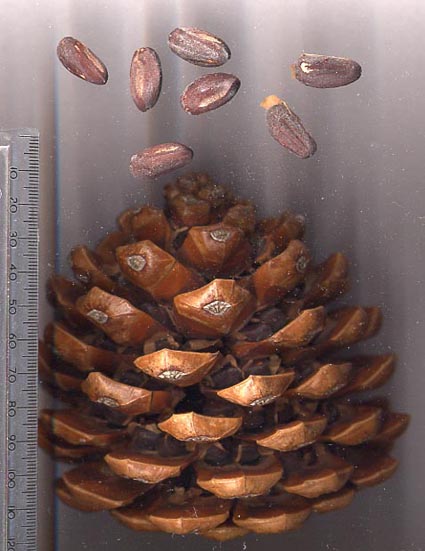




Characteristics and major species
Pine nuts are typically triangular or elongated, with a creamy white to pale tan color and a smooth, slightly oily texture. Not all pines produce seeds large enough for commercial harvest; roughly two dozen species worldwide yield kernels worth collecting. Commonly used species include stone pine (Pinus pinea), Korean pine (Pinus koraiensis), Colorado pinyon (Pinus edulis) and various other pinyon and Swiss stone pines. They vary in size, flavor intensity and oil content depending on species and growing conditions.
History and cultural importance
Humans have eaten pine nuts for thousands of years; archaeological evidence shows they were collected in prehistoric Europe and Asia. Across many traditional cuisines they appear as a valued source of fats, protein and calories, and they acquired cultural roles in regional dishes and festival foods. In Mediterranean cooking, for example, pine nuts are a classic ingredient in pestos and pastries, while in parts of Asia and the Americas they are used in stews, breads and as snacks.
Culinary and industrial uses
Pine nuts are used whole, toasted, ground or pressed. Their mild, buttery, slightly resinous flavor complements salads, vegetable preparations, meat dishes, fish recipes and baked goods. In Italian cuisine they are often called pinoli and are a key component of pesto and other sauces. They are also incorporated into desserts, pilafs and confectionery. Pine kernels can be pressed for pine nut oil, a delicate oil prized for dressings and finishing dishes rather than high-heat cooking.
Harvesting, processing and storage
Cones must be collected and opened to extract the seeds; traditional methods include sun drying and roasting to loosen kernels. Commercial harvests range from hand-collection of cones to mechanical processing where available. Fresh pine nuts have a higher oil content and are prone to rancidity; they should be kept cool and dry and are commonly refrigerated or frozen to extend shelf life. Light toasting brings out their aroma but can accelerate spoilage if oils are left exposed.
Nutrition, safety and notable issues
Pine nuts are calorie-dense with fats (largely unsaturated), some protein and micronutrients such as magnesium and vitamin E. Allergies to tree seeds and nuts can include pine nuts, though reactions are less commonly reported than to common tree nuts. A small proportion of consumers experience a temporary bitter or metallic taste condition after eating certain pine nuts, sometimes called 'pine mouth'—the cause is not fully understood and resolves spontaneously. For people with severe nut allergies or specific dietary concerns, caution is advisable.
Further reading and related topics
- Botanical background: family Pinaceae and the genus Pinus
- Culinary examples: use in salads, vegetable dishes and baked bread
- Preparation techniques: toasting and pressing for oil
- Global cuisine links: traditional recipes and regional uses (edible seeds)
For more information on cultivation, species profiles and recipes, see related resources and botanical guides (seed sources, oil production, culinary applications, seafood pairings, vegetarian recipes, processing methods, baking uses, pesto history, sauce variations, Araucaria comparisons, taxonomic notes and pine ecology).
Questions and answers
Q: What are pine nuts?
A: Pine nuts are the edible seeds of pines from the family Pinaceae, genus Pinus.
Q: How many species of pine produce large enough seeds to be worth harvesting?
A: About 20 species of pine produce large enough seeds to be worth harvesting for human consumption.
Q: How long have pine nuts been eaten in Europe and Asia?
A: Pine nuts have been eaten in Europe and Asia since the Paleolithic period.
Q: What are some foods that pine nuts are often added to?
A: Pine nuts are often added to meat, fish, salads, vegetable dishes, and baked into bread.
Q: What are pine nuts called in Italian?
A: In Italian, pine nuts are called pinoli.
Q: What is the role of pine nuts in Italian pesto sauce?
A: Pine nuts play an essential role in Italian pesto sauce.
Q: What can be extracted from pine nuts and what is it valued for?
A: Pine nuts can be pressed to extract pine nut oil, which is valued for its mild, nutty flavor.
Related articles
Author
AlegsaOnline.com Pine nut — edible seeds of pine trees, culinary and cultural uses Leandro Alegsa
URL: https://en.alegsaonline.com/art/76964