
Pica (eating disorder): definition, causes, diagnosis, and management
Pica is a condition characterized by persistent consumption of non-food items or atypical food preparations. This article explains symptoms, causes, complications, diagnosis, treatment, and cultural notes.
Overview
Pica is a condition in which a person persistently eats non-nutritive or unusual substances that are not considered typical food for their developmental stage. Clinically it is classified among feeding and eating disorders when the behavior persists beyond a temporary phase and causes health, developmental or social problems. Pica can affect children and adults; it is particularly noted in young children, pregnant people, and some individuals with developmental disabilities.
Image gallery
3 Images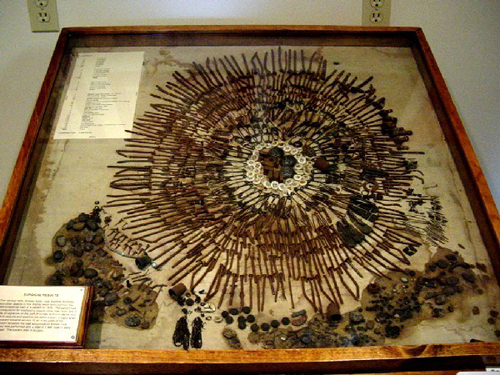


Typical items and presentations
People with pica may consume a wide range of materials. Examples reported in clinical contexts include metal objects such as nails, mineral materials like rocks, and biologic waste such as feces. Some individuals crave starchy or otherwise edible substances that are eaten in atypical ways, for example certain unusual foods or raw preparations such as uncooked potatoes, plain flour, or raw starch. The specific form and frequency of ingestion vary by person and setting.
Causes and risk factors
No single cause explains all cases. Factors that contribute include nutritional deficiencies (for example iron or zinc), developmental conditions, cultural practices, stress or psychological factors, and environmental exposure. In some communities, ingestion of clay or earth (geophagy) has cultural or ritual significance and may overlap with pica as a clinical concern when it harms health. Pica also sometimes appears alongside other psychiatric or neurodevelopmental diagnoses.
Clinicians distinguish pica from normal mouthing behaviors of infants and toddlers by considering age, duration (commonly defined as one month or more), and whether the behavior impairs health or functioning. Assessment typically includes medical history, nutritional testing, and evaluation for complications such as poisoning, parasitic infection, or intestinal obstruction.
Complications and management
- Possible complications: lead or other toxic exposures, gastrointestinal obstruction, dental injury, infection, and nutritional imbalance.
- Treatment approaches: address medical problems and nutritional deficits, provide behavioral interventions and education, and involve multidisciplinary care when needed (pediatrics, psychiatry, nutrition, social services).
Outcomes vary. In young children pica often resolves with development and attention to underlying needs; persistent cases require tailored management. Awareness of cultural practices and avoidance of stigmatizing language are important when evaluating and advising individuals and families.
Related articles
Author
AlegsaOnline.com Pica (eating disorder): definition, causes, diagnosis, and management Leandro Alegsa
URL: https://en.alegsaonline.com/art/76711