
Plastic surgery: reconstructive and cosmetic procedures, techniques, and considerations
Comprehensive overview of plastic surgery: goals, common reconstructive and cosmetic procedures, tissues and techniques, risks, patient selection, training, ethics and recent developments.
Overview
Plastic surgery is a medical specialty focused on modifying, restoring or improving the form and function of the body. Procedures may address congenital differences, trauma, illness, ageing or elective aesthetic concerns. Surgeons work on multiple tissues — including bone, cartilage, muscle, fat and skin — often combining techniques to achieve structural, functional or cosmetic objectives. For general professional information and clinical guidance see surgery resources.
Image gallery
7 Images



Types and common procedures
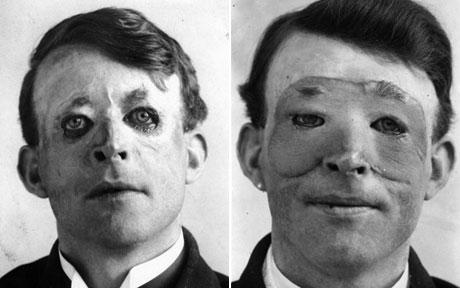
The specialty is commonly divided into two broad categories: reconstructive and cosmetic (aesthetic) surgery. Reconstructive surgery corrects defects caused by injury, disease or congenital conditions and aims to restore normal appearance and function. Cosmetic surgery is elective and focuses primarily on improving appearance according to a patient's goals.
- Reconstructive examples: repair after burns, treatment of complex wounds, breast reconstruction after cancer, cleft lip and palate repair, hand surgery and microsurgical tissue transfer.
- Cosmetic examples: rhinoplasty (nose reshaping), facelifts, blepharoplasty (eyelid surgery), liposuction and breast augmentation or reduction.
Many operations involve manipulation of specific tissues: procedures on bone (osteotomies, reconstructions), cartilage (nasal framework, ear reconstruction), muscle (functional repairs, flaps), fat (liposuction, grafting) and skin (grafts, local flaps, excisions).
Techniques and modern developments
Techniques range from minor outpatient procedures to complex, staged reconstructions. Microsurgery permits transfer and reattachment of small blood vessels and nerves to restore blood flow and sensation. Skin grafts and local or free flaps are essential for covering defects. Implants and tissue expanders are used to reconstruct form, while endoscopic and minimally invasive approaches reduce recovery time for some cosmetic operations. Recent decades have seen growth in fat grafting, improved implant technology and research in tissue engineering and regenerative medicine, which aim to expand reconstructive options.
History and professional development
Forms of reconstructive practice date back many centuries, but modern plastic surgery developed with advances in anaesthesia, antisepsis and wartime trauma care. Over the 20th century the field formalized into specialist training programs and professional societies that promote standards, research and continuing education.
Patient selection, consent and psychological considerations
Appropriate patient selection and informed consent are fundamental. Surgeons evaluate medical fitness, realistic expectations and psychosocial factors; in some cases, psychological assessment is advised when body image concerns or underlying mental health issues may affect outcomes. Patients should receive clear information about likely benefits, alternatives, risks and the potential need for additional procedures.
Preoperative and postoperative care
Preoperative preparation addresses general health, medication management and optimization of medical conditions. Postoperative care includes wound management, pain control, prevention of infection and rehabilitation such as physiotherapy when function is affected. Scar management and follow-up visits are important components of recovery and long-term outcome assessment.
Risks and complications
All surgeries carry risks such as bleeding, infection, poor wound healing and adverse reactions to anesthesia. Specific complications vary by procedure and may include nerve injury, implant problems, graft loss, scarring or unsatisfactory aesthetic results. Revision procedures are sometimes required. Discussion of risks should be individualized and documented during consent.
Outcomes, measurement and research
Outcomes are assessed using clinical measures, functional tests and patient-reported outcome measures (PROMs) that capture satisfaction and quality of life. Ongoing research addresses surgical technique improvements, biomaterials, microsurgical methods and regenerative strategies to improve durability, reduce complications and enhance reconstruction of complex defects.
Training, regulation and professional standards
Plastic surgeons complete medical school followed by specialty training and often additional fellowships in subspecialty areas. Professional boards and societies set training standards, certify surgeons and publish guidelines for practice. Patients are advised to verify a surgeon's credentials and experience for specific procedures.
Ethical and social considerations
Ethical issues include obtaining valid informed consent, ensuring realistic expectations, avoiding exploitative advertising and addressing disparities in access to care. Cultural norms and personal values influence decisions about cosmetic surgery; surgeons should consider age, vulnerability and the potential psychosocial impacts of procedures when advising patients.
Further information and patient resources
Reliable information can be found through professional and educational centres that provide overviews of procedures, recovery expectations and safety guidance. For clinical guidelines and patient information consult professional organizations and accredited health portals such as surgery resources, and topic-specific materials on bone reconstruction (bone), cartilage repair (cartilage), muscular and functional procedures (muscle), fat grafting and liposuction (fat) and skin repair and grafting (skin).
Careful consultation with a qualified specialist helps align treatment choices with medical needs and personal goals.
Related articles
Author
AlegsaOnline.com Plastic surgery: reconstructive and cosmetic procedures, techniques, and considerations Leandro Alegsa
URL: https://en.alegsaonline.com/art/77323
Sources
- bmj.com : "Recent developments in plastic surgery"
- doi.org : 10.1136/bmj.325.7359.319
- pubmed.ncbi.nlm.nih.gov : 12169510
- hollywoodnaturalhealing.com : "Hollywood using plastic Surgery"
- plasticspot.io : "Plastic Surgery Guide"