
Plasmodium falciparum: biology, disease, and global impact
Plasmodium falciparum is a protozoan parasite that causes the most severe form of human malaria. This article summarizes its biology, clinical effects, diagnosis, treatment, prevention and global relevance.
Overview: Plasmodium falciparum is a single-celled protozoan parasite that infects humans and causes the most lethal form of malaria. It belongs to the genus Plasmodium and is one of several species implicated in human disease; for background on related species see other Plasmodium species. Infection occurs after the bite of an infected female Anopheles mosquito; the insect vector and aspects of transmission dynamics are discussed in many public health resources (mosquito biology). Clinical severity ranges from uncomplicated febrile illness to life-threatening complications.
Image gallery
7 Images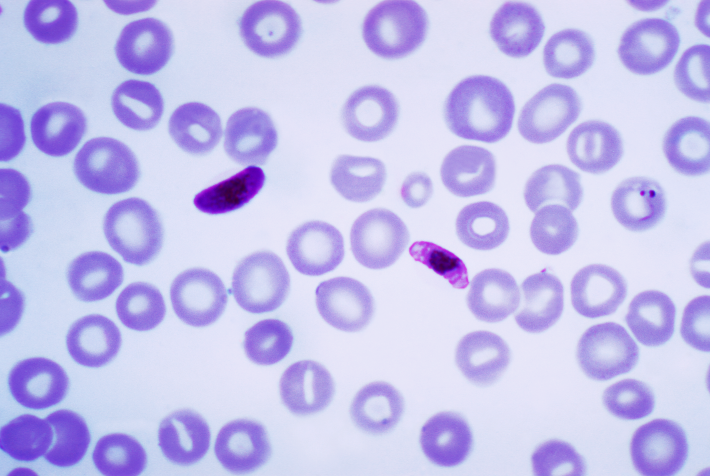
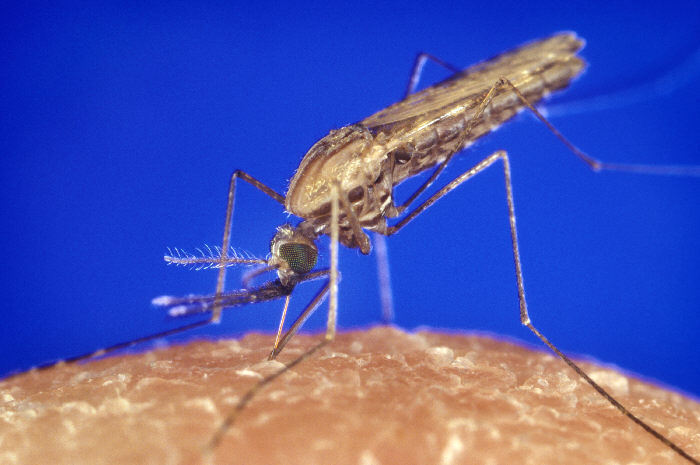


Characteristics and life cycle
P. falciparum is characterized by complex stages alternating between a human host and a mosquito vector. In humans it undergoes an initial liver stage followed by repeated cycles of red blood cell invasion, a process responsible for clinical symptoms. The parasite's life cycle stages include sporozoites, merozoites, trophozoites, schizonts and gametocytes. Sexual stages taken up by the mosquito complete development in the insect gut and salivary glands before new transmission occurs.
Clinical features and complications
- Typical symptoms: fever, chills, headache, fatigue and muscle aches; symptoms can progress rapidly.
- Severe complications: anemia, metabolic disturbances, cerebral involvement (coma), respiratory distress and multi-organ failure are more commonly associated with P. falciparum than with other human malaria species.
- High-risk groups: young children, pregnant people, and non-immune travelers.
Diagnosis, treatment and prevention
Diagnosis relies on microscopy of blood films or rapid diagnostic tests that detect parasite antigens; molecular tests offer higher sensitivity for research or referral centers. First-line treatment for confirmed P. falciparum infection typically uses artemisinin-based combination therapies where available; severe malaria requires prompt parenteral therapy and supportive care. Preventive measures include vector control (bed nets and indoor spraying), chemoprophylaxis for travelers, and emerging vaccines under study. Public health guidance and clinical protocols are documented in authoritative sources (parasite profiles).
History, distribution and research
P. falciparum has shaped human history in many tropical regions. It is widespread in parts of sub-Saharan Africa, Asia and South America, with local intensity of transmission influenced by ecology, climate and control efforts. Research priorities include improved diagnostics, new drugs, vaccine development, and strategies to contain antimalarial drug resistance. For evolutionary context and species diversity see summaries on Plasmodium taxonomy (taxonomy resources) and host interactions (vertebrate hosts).
Distinctions and notable facts
P. falciparum is distinguished from other human malarias by its greater potential to cause severe disease and its propensity to sequester in small blood vessels, which contributes to organ dysfunction. Drug-resistant strains have emerged repeatedly, complicating control and treatment. Ongoing surveillance, combined medical and public health measures, remain essential to reduce the burden of falciparum malaria globally; overviews and guidance can be found in public health literature (malaria information).
Related articles
Author
AlegsaOnline.com Plasmodium falciparum: biology, disease, and global impact Leandro Alegsa
URL: https://en.alegsaonline.com/art/77313
Sources
- ncbi.nlm.nih.gov : ncbi.nlm.nih.gov/pmc/articles/PMC2825508/