
Pimple (acne): causes, types, prevention and treatment
A pimple is a common skin lesion caused by clogged hair follicles. This article explains causes, types, prevention, treatments, complications and when to see a healthcare professional.
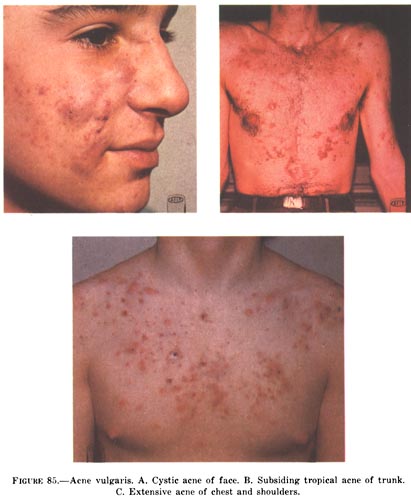
A pimple, commonly called a zit, is a localized skin lesion that forms when a hair follicle or pore becomes clogged with oil (sebum), dead skin cells and sometimes bacteria. Pimples are one form of acne and range from small non‑inflamed blackheads to inflamed pustules and deeper nodules. They are most frequent during hormonal changes such as adolescence but can occur at any age.
Image gallery
3 Images

How pimples form
Pore blockage begins when excess sebum and shed skin cells accumulate. If the trapped material remains below the surface it can form a whitehead; if exposed to air it may darken and appear as a blackhead. Bacterial colonization and an immune response cause redness, swelling and pus in inflamed lesions.
Common types
- Blackhead (open comedo): a darkened clog at the pore opening.
- Whitehead (closed comedo): a small, flesh‑colored bump beneath the surface.
- Papule/pustule: inflamed, red bumps; pustules contain visible pus.
- Nodules and cysts: deeper, larger lesions that can be painful and more likely to scar.
Multiple factors affect risk: hormones (especially androgens), genetics, certain medications, friction or pressure on the skin, and lifestyle factors. Diet and stress can influence outbreaks in some people but are not sole causes. Good habits such as regular but gentle cleansing and choosing non‑comedogenic products can help; see guidance on hygiene at skincare resources.
Treatment and management
Mild pimples often respond to over‑the‑counter topical agents like salicylic acid, benzoyl peroxide, and topical retinoids. For moderate to severe acne, dermatologists may prescribe stronger topical retinoids, oral antibiotics, hormonal therapies for suitable patients, or isotretinoin for cystic disease. Professional procedures — chemical peels, light therapies, drainage, or injections — can also be offered.
Improper attempts to squeeze or pick lesions increase the risk of infection, scarring and dark spots. If acne is widespread, painful, persistent, or causing psychological distress, seek evaluation from a healthcare professional or dermatologist. For further background on acne development and common treatments, consult an introductory overview at acne basics or a treatment guide at medical resources and dermatology references.
Related articles
Author
AlegsaOnline.com Pimple (acne): causes, types, prevention and treatment Leandro Alegsa
URL: https://en.alegsaonline.com/art/76938