
Mescaline: natural psychedelic phenethylamine found in cacti and cultural use
Mescaline is a naturally occurring psychedelic phenethylamine found in several cacti and some legumes. It produces altered perception, has ceremonial uses, and is regulated differently across jurisdictions.
Overview
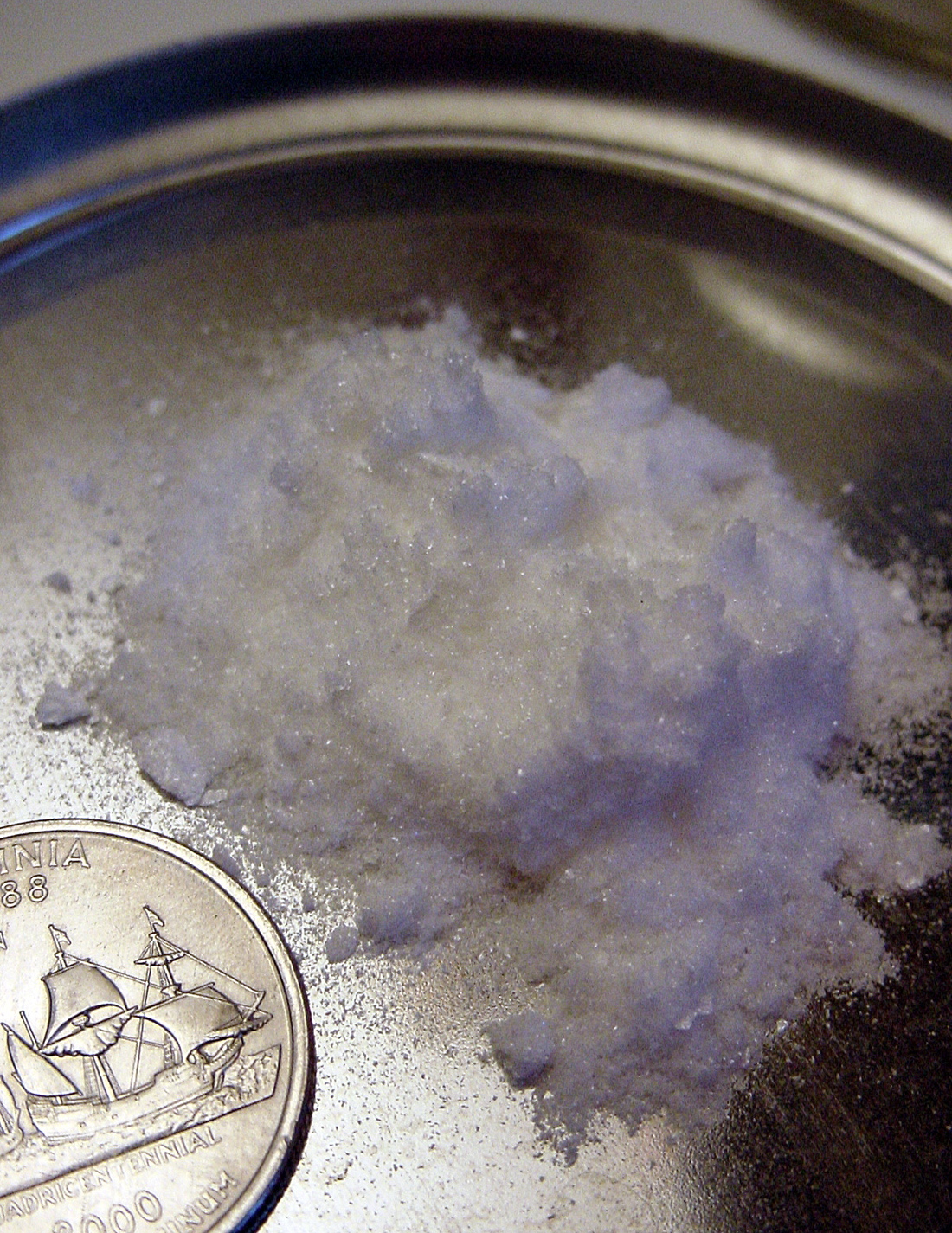
Mescaline (3,4,5-trimethoxyphenethylamine) is a naturally occurring alkaloid of the phenethylamine family. It is best known for producing psychedelic effects, including changes in perception, mood, and cognition. Interest in mescaline spans ethnobotany, psychopharmacology and, more recently, controlled therapeutic research. For basic chemical reference see chemical substance.
Image gallery
6 Images


Plant sources
Mescaline occurs primarily in several columnar cacti native to the Americas. The most culturally prominent source is the peyote cactus, used in traditional ceremonies; related columnar cacti include the San Pedro and Peruvian torch, which also contain the alkaloid. Low concentrations of mescaline and related compounds have been reported in some species in the bean family, the Fabaceae, such as certain acacia taxa. Botanical and ethnobotanical resources on cacti and specific species provide further context.
Chemistry and pharmacology
As a substituted phenethylamine, mescaline shares structural features with other natural and synthetic compounds in its class. Its psychoactive effects are largely attributed to interaction with serotonin receptor subtypes in the brain, notably the 5-HT2A receptor, which is implicated in altered sensory processing and cognition. Oral ingestion is the common route of administration for plant material and isolated compound, and effects typically last several hours, with onset and duration influenced by dose, individual physiology, and setting.
Effects and subjective experience
Typical subjective effects reported with mescaline include visual patterning, intensified colors, altered sense of space and time, emotional shifts and changes in thought content. Nausea or gastrointestinal discomfort can occur, particularly during onset when plant materials are ingested. Responses vary widely between individuals and between controlled and ceremonial settings; set (mindset), setting (environment), and dose are important determinants of the overall experience.
Cultural and historical use
Indigenous peoples in parts of North and South America have used mescaline-containing plants in ritual, healing and communal contexts for many generations. The cactus commonly called peyote has particular ceremonial importance in some Native American traditions. Contemporary interest includes both preservation of traditional practices and examination of historical use by ethnographers and botanists.
Research and therapeutic interest
Mescaline was isolated and chemically characterized in the late 19th and early 20th centuries and later featured in mid-20th century psychopharmacological studies alongside other classical psychedelics. Renewed research into psychedelic-assisted therapies has prompted controlled study of several compounds with effects on perception and cognition; ongoing work seeks to clarify potential therapeutic roles, mechanisms of action and appropriate clinical protocols, while emphasizing rigorous safety and ethical oversight.
Legal status
Legal classification of mescaline varies by country. In many jurisdictions the compound is controlled; in the United States it is listed under Schedule I federal controls, though specific legal exceptions exist for ceremonial use by members of the Native American Church. Because laws differ and change over time, readers should consult local statutes and authoritative legal resources for current status in their area.
Safety, risks and harm reduction
Acute psychological risks include anxiety, panic reactions or challenging experiences, and the possibility that hallucinogenic substances can exacerbate underlying psychiatric conditions in susceptible people. Physiological effects are generally less severe than some other classes of psychoactive drugs but can include nausea, increased heart rate and elevated blood pressure. Harm-reduction approaches emphasize informed consent, screening for contraindications, supportive environment, sober supervision and avoidance of mixing with contraindicated medications. For general information on effects such as hallucinations and altered perception see overview sources.
Ethical, cultural and conservation considerations
Discussion of mescaline involves intersecting concerns of public health, religious freedom, cultural heritage and plant conservation. Use of wild-harvested peyote has prompted attention to sustainable harvesting and the rights of Indigenous practitioners. Respect for traditional knowledge and legal protections for ceremonial use are part of broader ethical considerations addressed by scholars, communities and policymakers.
Further reading and resources
- Chemical and pharmacological summaries: see introductions to the compound (chemical substance).
- Botanical and ethnobotanical information on cacti and regional traditions, including material on peyote.
- Taxonomic and family-level details for the Fabaceae where low concentrations have been reported.
- Cultural and legal perspectives on ceremonial use, including resources concerning the Native American Church.
- General background on perceptual phenomena and hallucinations for readers seeking broader context.
Readers seeking medical, legal or detailed botanical information should consult specialized literature, clinical guidelines and current legal codes. The anchors above link to subject categories and overviews useful for introductory orientation.
Related articles
Author
AlegsaOnline.com Mescaline: natural psychedelic phenethylamine found in cacti and cultural use Leandro Alegsa
URL: https://en.alegsaonline.com/art/64058