
Alkaloid: Nitrogen‑containing natural compounds
Alkaloids are naturally produced, basic organic compounds containing nitrogen. Found across plants, fungi, bacteria and animals, they serve ecological roles and many have important medicinal, toxic or stimulant effects.
Overview
An alkaloid is a naturally occurring organic compound that contains one or more basic nitrogen atoms and typically forms salts with acids. The name derives from the same root as "alkaline" because of the basic (alkaline) nature of the nitrogen center. Alkaloids are a large and diverse class of secondary metabolites produced by many living organisms and are recognised for their potent biological activities. For a concise definition see alkaloid definition.
Image gallery
10 Images






Chemical characteristics
Most alkaloids contain heterocyclic rings with nitrogen incorporated into the ring system; this structural feature often gives them basic properties. Depending on the molecule, alkaloids vary in solubility: many are more soluble in organic solvents in their free base form and become water‑soluble when converted to salts by acids. Traditional isolation often uses acid–base extraction. The role of nitrogen in these compounds is central to their reactivity and pharmacology; the basic nitrogen atom is discussed further at basic nitrogen and chemical properties are linked to the presence of nitrogen atoms.
Sources and biosynthesis
Alkaloids are produced by a wide range of organisms. Many plants synthesise them as defensive chemicals, but microorganisms and some animals also make them. Examples include alkaloid production by bacteria, fungi, numerous plants and a few animals. Biosynthetically, alkaloids are commonly derived from amino acids such as tryptophan, tyrosine or lysine, which are enzymatically transformed into diverse structural frameworks (indoles, isoquinolines, tropanes, etc.).
Uses, effects and examples
Alkaloids have a wide range of effects on biological systems and therefore many practical uses. In medicine they include analgesics (morphine), antimalarials (quinine), antimuscarinics (atropine) and local anaesthetics. In everyday life they occur as stimulants and flavorants (caffeine, nicotine) and as agricultural toxins or deterrents. Many are poisonous at sufficient doses and can have a bitter taste, which may discourage herbivores; toxicity is discussed at toxic effects and taste is noted at bitter taste.
Notable distinctions and practical notes
- Classification: Alkaloids are often grouped by their biosynthetic origin (amino‑acid derived) or by core ring structure.
- Ecological role: They act as herbivore deterrents, antimicrobials, or signaling molecules in ecological interactions.
- Pharmacology and regulation: Because of strong biological activity many alkaloids are controlled substances in some jurisdictions and are important drug leads in pharmaceutical research.
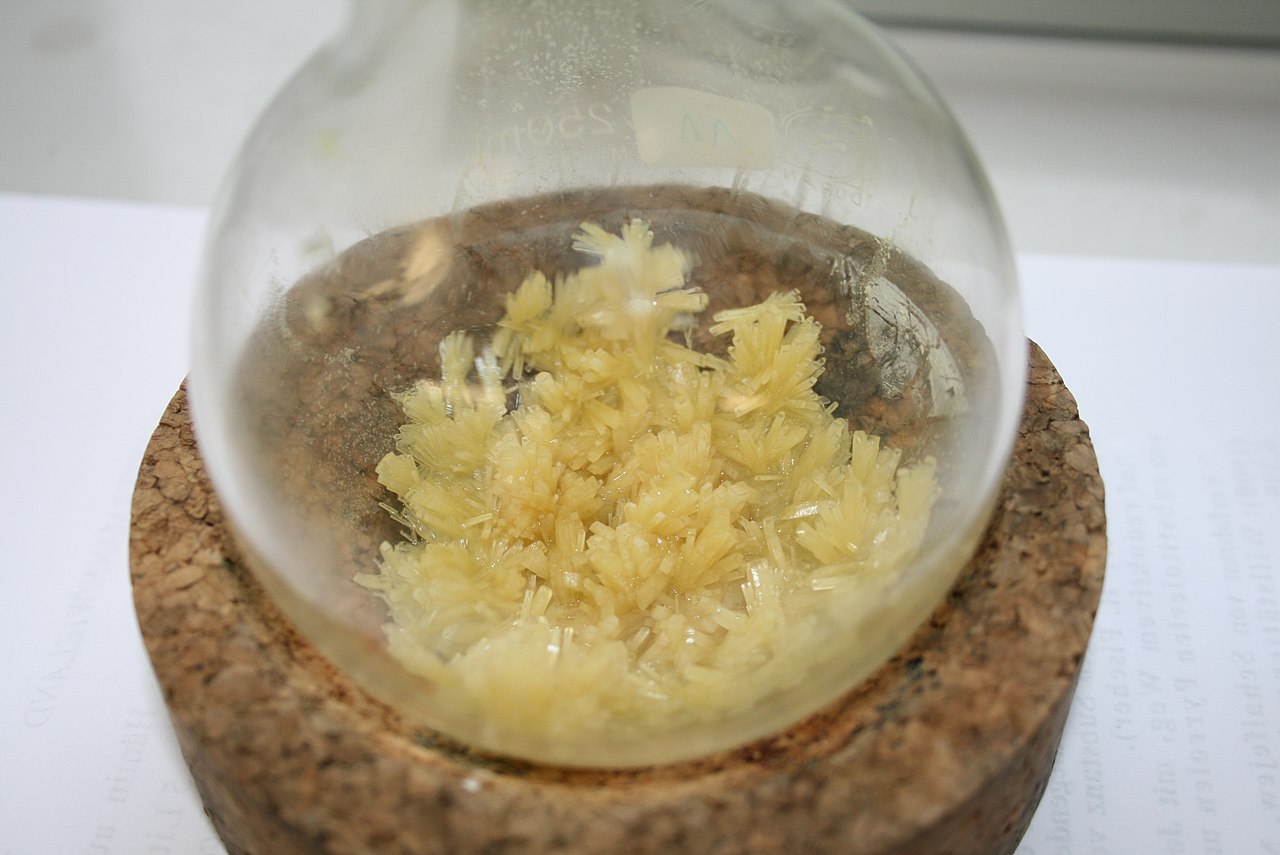
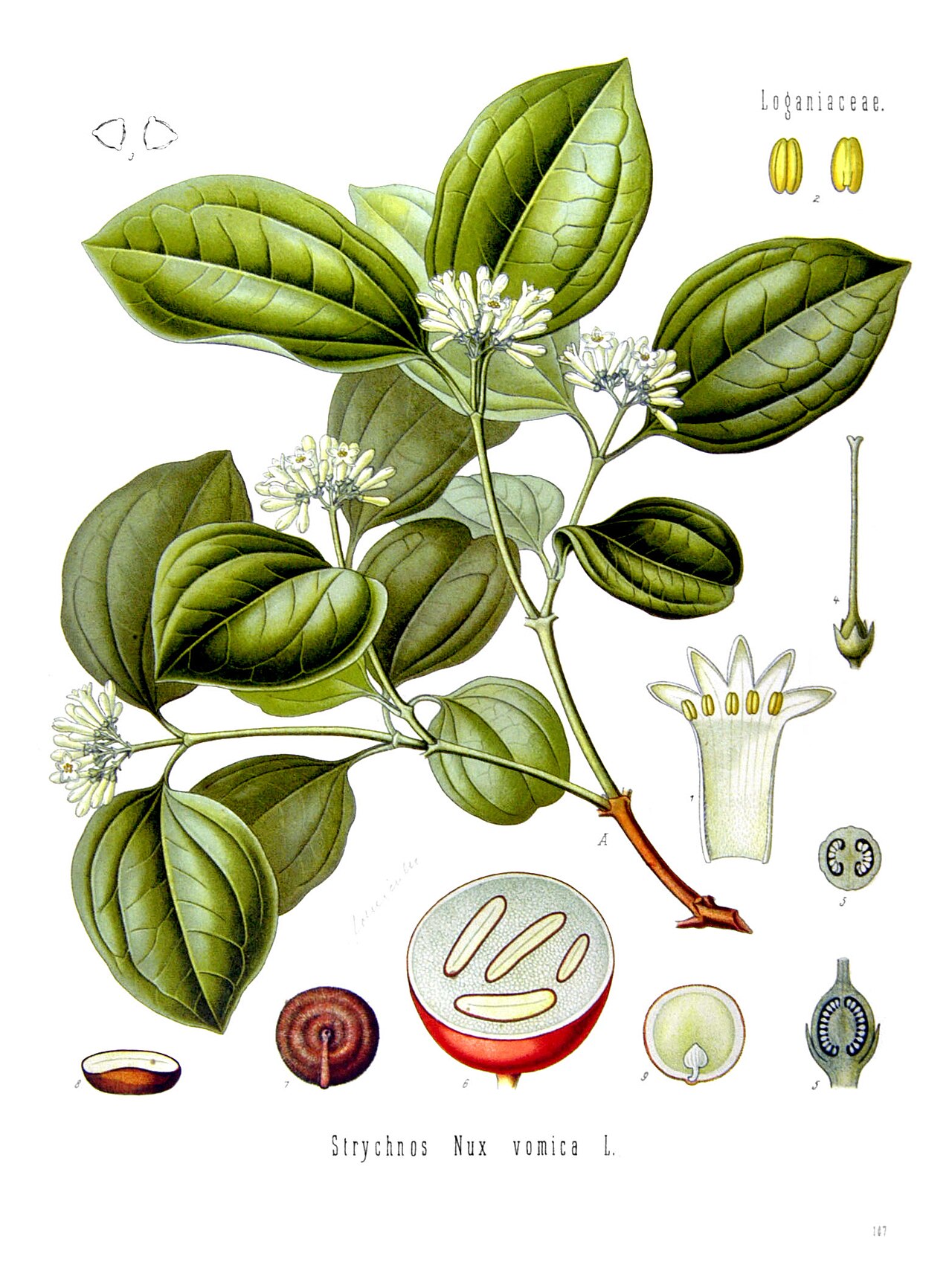
Well known examples include morphine, quinine, nicotine, caffeine, atropine, cocaine and strychnine. Their diversity and potency make alkaloids an enduring subject of study in chemistry, medicine and ecology, and they continue to inspire new therapeutic agents and cautionary tales about natural toxins.
Related articles
Author
AlegsaOnline.com Alkaloid: Nitrogen‑containing natural compounds Leandro Alegsa
URL: https://en.alegsaonline.com/art/2663
Sources
- goldbook.iupac.org : alkaloids