
Pecora (infraorder of ruminant mammals)
Pecora is an infraorder of ruminant mammals that includes deer, bovids, giraffids and relatives, typically characterized by cranial appendages such as horns, antlers, pronghorn sheaths or ossicones.
Pecora is a major infraorder within Ruminantia, the group of ruminant (chewing cud) mammals. Pecorans are distributed worldwide in suitable habitats from temperate woodlands and grasslands to tropical forests and arid regions. The name derives from Latin roots associated with herd animals and reflects the long relationship between people and many pecoran species; see Latin etymology and traditional uses such as pastoralism and livestock production.
Image gallery
10 Images




Characteristics
Pecorans share the ruminant digestive system with a four-chambered stomach adapted for fermenting plant matter. A characteristic feature of most members of the group is the presence of cranial appendages: true horns, antlers, pronghorn sheaths, or giraffid ossicones. Horns (as in Bovidae) consist of a permanent bony core with a keratinous sheath (horns), whereas antlers (typical of Cervidae) are usually branched bone structures that are grown and shed annually (antlers). Giraffids possess ossicones, which are ossified cartilage or bone covered by skin.
Taxonomy and major families
- Bovidae: cattle, goats, sheep and antelopes (permanent horns).
- Cervidae: deer such as red deer and white-tailed deer (usually antlers) — see Cervidae.
- Giraffidae: giraffe and okapi (ossicones).
- Antilocapridae: the North American pronghorn, with a distinctive sheathed horn.
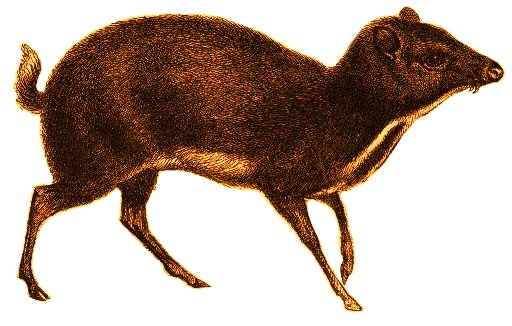
- Moschidae (musk deer) and a few other lineages such as the water deer Hydropotes lack the typical horns or antlers; the musk deer genus Moschus is a well-known example.
Evolution and fossil record
Pecora diversified during the Neogene as grasslands expanded and climates changed. Fossils show a variety of extinct pecoran lineages and early forms that led to modern bovids, cervids and giraffids. The independent evolution of different cranial appendages in separate clades illustrates how similar ecological and social pressures produced convergent solutions for display and combat.
Ecology, behaviour and human relevance
Pecorans fill many ecological roles as browsers and grazers and influence vegetation structure and nutrient cycles. Many species form social groups, use vocal and visual displays involving cranial appendages, and show sexual dimorphism related to mating systems. Humans have relied on numerous pecoran species as game and domesticated animals; management, hunting and habitat change have shaped their distributions and conservation status.
Identification and research
Distinguishing pecoran taxa relies on skull anatomy, dentition, limb proportions, and the form of cranial appendages, together with molecular data. Ongoing research continues to refine relationships within Pecora and to document how behaviour, environment and morphology interacted during their evolution.
Related articles
Author
AlegsaOnline.com Pecora (infraorder of ruminant mammals) Leandro Alegsa
URL: https://en.alegsaonline.com/art/75387