
Musk deer (genus Moschus)
Small, antler-less ungulates of family Moschidae, known for long canines and a musk gland prized by humans; native to Asian mountain forests and subject to conservation concerns.
Overview
Musk deer are small, shy mammals belonging to the even-toed ungulates (Artiodactyla) and are placed in their own family, the Moschidae. All living musk deer are assigned to a single genus, Moschus, which contains a handful of closely related species (five extant species are generally recognized). They are native to Asia and are most often associated with montane and forested landscapes.
Image gallery
9 Images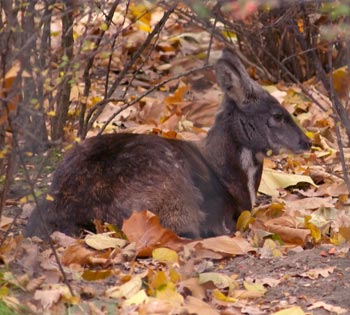
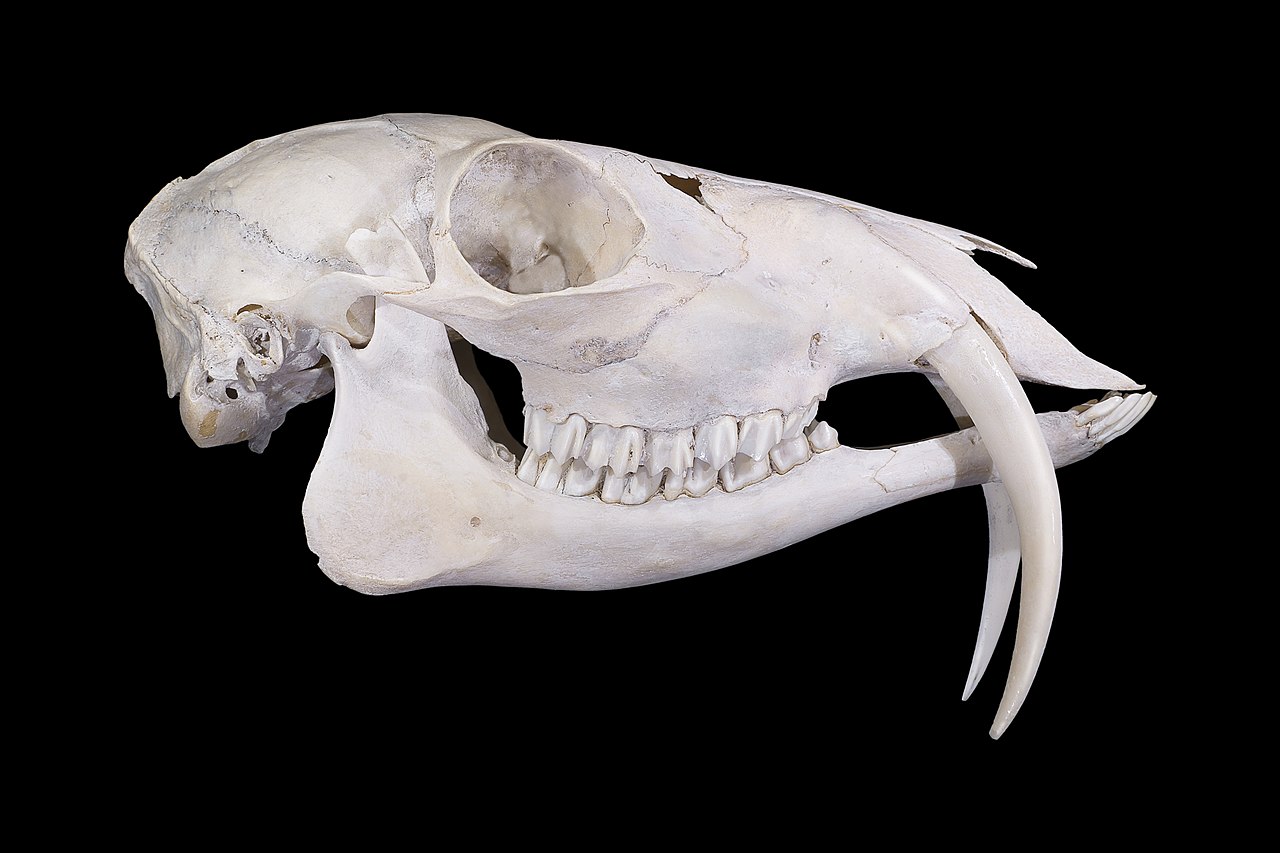


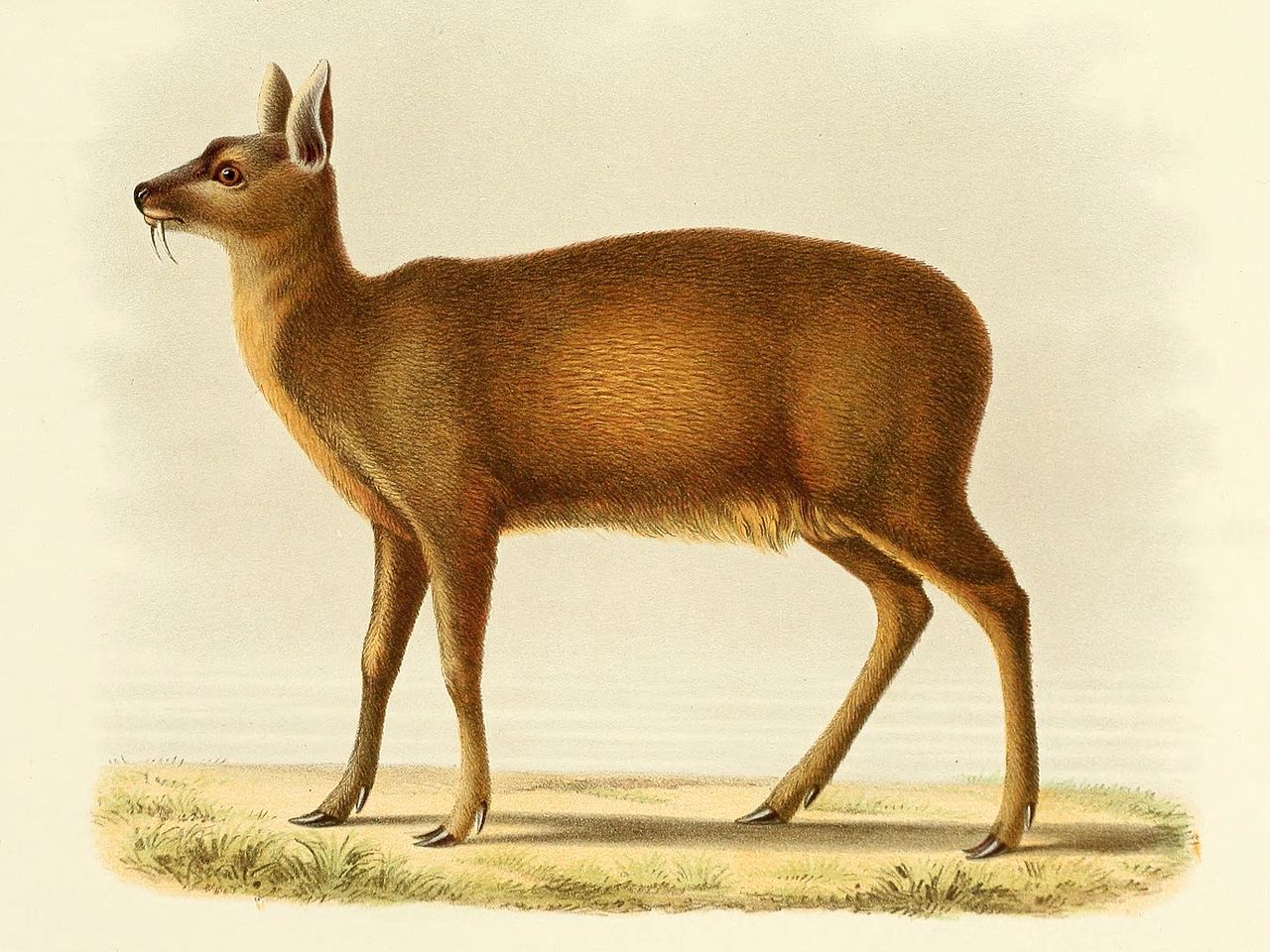


Physical characteristics
Musk deer differ from the familiar cervids (true deer) in several obvious ways. Unlike members of the family Cervidae, they do not grow antlers (antlers) and instead have elongated upper canine teeth that protrude like tusks. Their bodies are compact, with long hind legs adapted for leaping among rocks and dense understory. A specialized gland in males produces the strong-smelling substance called musk, which gives the group its common name.
Behavior and ecology
These animals are generally solitary and crepuscular or nocturnal, feeding on leaves, shoots, lichens and other vegetation. They mark territories using scent from the musk gland and other secretions, and breeding behavior centers on the male’s musk to attract females. Predators include large carnivores and raptors, and musk deer are adapted to escape danger by bounding through steep, rugged terrain.
Distribution, habitat and life history
Musk deer inhabit a variety of highland and forest habitats across central, eastern and northern Asia, from the Himalayas to Siberian taiga. They favor areas with dense cover and steep relief that provide foraging and refuge. Reproduction is typically seasonal; females give birth to one or occasionally two fawns after a short gestation.
Human uses and conservation
The musk produced by males has been valued for centuries in perfumery and traditional medicine, driving hunting and capture. Overexploitation, habitat loss and fragmentation have reduced many populations, making several musk deer species vulnerable or endangered in parts of their range. Conservation responses include legal protection, anti-poaching efforts, regulated farming attempts, and development of synthetic musk alternatives to reduce demand.
Taxonomy and notable distinctions
Musk deer represent a separate evolutionary lineage from true deer (Cervidae) and are considered living relicts of an early branch of ruminants. Their unique combination of features — tusk-like canines, lack of antlers, and the musk gland — distinguishes them from other ungulates. For further general information see Artiodactyla overview, the family entry at Moschidae, genus notes at Moschus, species lists at species accounts, comparisons with true deer and details on antlers at antler biology.
Questions and answers
Q: What family do musk deer belong to?
A: Musk deer belong to the family Moschidae.
Q: How many species of musk deer are there?
A: There are five species of musk deer.
Q: Are musk deer true deer?
A: No, musk deer are not true deer and are classed in a different family.
Q: What is unique about musk deer's teeth?
A: Unlike other deer, musk deer do not grow antlers. Instead, they have large canine teeth that reach down from the mouth.
Q: What is the odor emitted by musk deer?
A: Musk deer emits a particular odor which gives it its name.
Q: How many genuses are in the Moschidae family?
A: There is only one genus in Moschidae, Moschus.
Q: How similar are the five species of musk deer?
A: The five species of musk deer are all very similar.
Related articles
Author
AlegsaOnline.com Musk deer (genus Moschus) Leandro Alegsa
URL: https://en.alegsaonline.com/art/67779