
Ruminantia — the ruminant mammals
Ruminantia is the suborder of even-toed ungulates characterized by specialized multi-chambered stomachs and rumination; includes cattle, deer, giraffes, antelopes, sheep and goats.
Overview
Ruminantia is a biological suborder of even-toed ungulates (Artiodactyla) comprising the true ruminant mammals. Members are adapted to a herbivorous lifestyle that relies on microbial fermentation of plant fiber in a specialized foregut. Common examples are cattle, sheep, goats, deer, giraffes and antelopes. Closely related groups such as the camelids have similar digestive adaptations but are treated in a separate lineage; see camelids for distinctions.
Image gallery
10 Images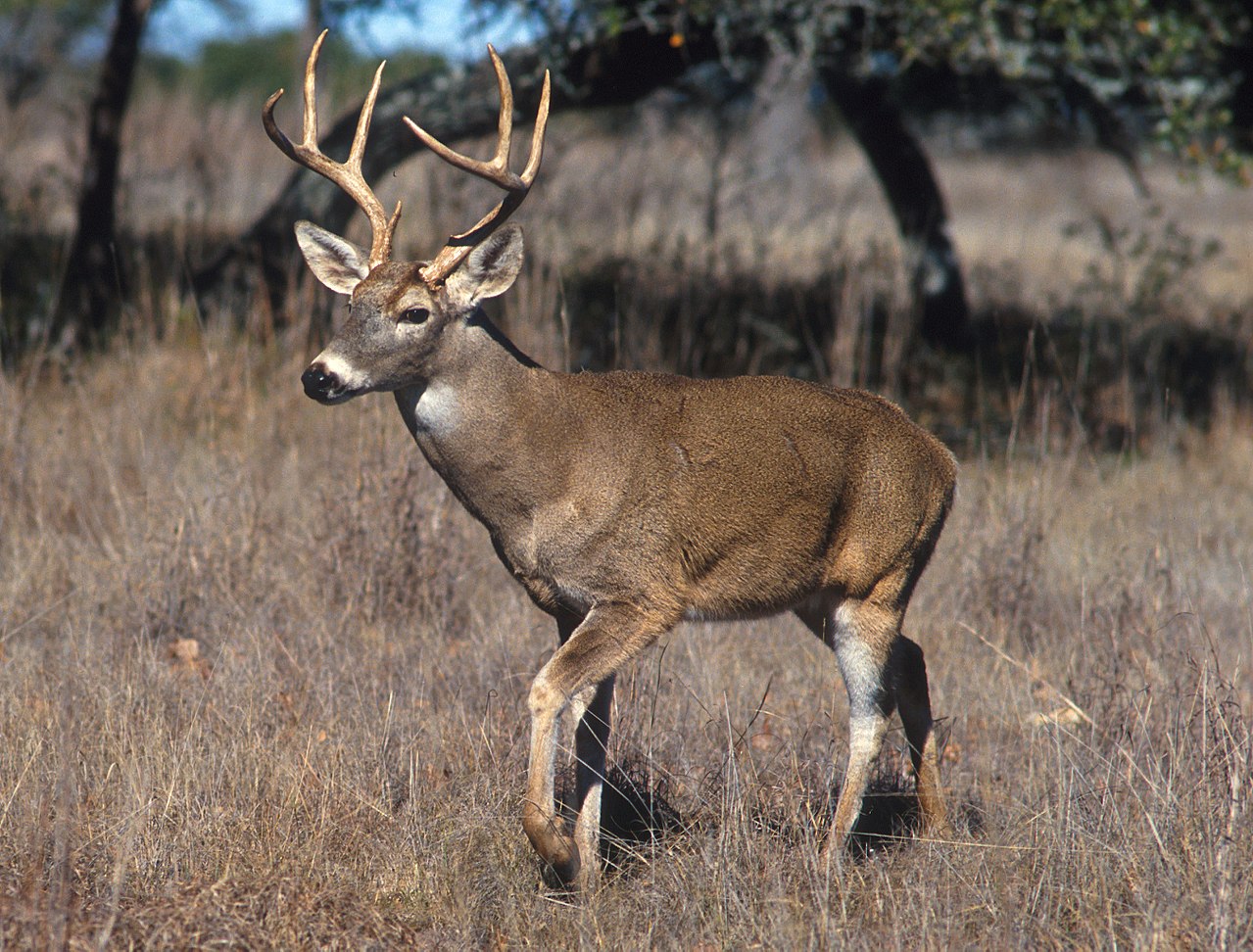


Characteristics and digestion
Ruminants are best known for rumination: they regurgitate partly digested plant material (cud) and rechew it to improve breakdown. This process depends on a complex stomach with compartments that host diverse microbes. The coordinated chewing, gut fermentation and microbial action allow ruminants to extract nutrients from cellulose-rich diets; the physiology of this four-chambered stomach underpins their ecological success.
Taxonomy and common families
The suborder includes several families, each with distinct forms and behaviors. Typical families are:
- Bovidae: cattle, goats, sheep, antelopes and allies.
- Cervidae: deer, moose and elk (characterized by antlers in many species).
- Giraffidae: giraffe and okapi.
- Tragulidae: small basal ruminants known as chevrotains or mouse-deer.
- Moschidae: musk deer and related taxa.
Evolution and fossil record
Ruminants appear in the mammalian fossil record several tens of millions of years ago and diversified as grasslands expanded. Fossil studies and molecular data have refined relationships within Artiodactyla, leading to revised classifications that reflect both anatomy and genetics. Many extinct ruminant lineages show intermediate traits that illuminate the transition to specialized foregut fermentation.
Uses, ecology and notable facts
Ruminants play major roles in human economies as sources of meat, milk, fiber and hides. Ecologically, they are primary grazers and browsers that shape vegetation and nutrient cycles. Their rumen microbes produce methane as a byproduct—an important consideration for agriculture and climate. Distinctive anatomical features such as horns or antlers, herd social systems and specialized dentition help distinguish groups within the suborder.
Related articles
Author
AlegsaOnline.com Ruminantia — the ruminant mammals Leandro Alegsa
URL: https://en.alegsaonline.com/art/84714