
Antlers: structure, growth cycle, functions and distinctions
Antlers are branched bony outgrowths found mainly on male deer. This article explains their composition, seasonal growth, roles in behaviour and reproduction, differences from horns, and human uses.
Overview
Antlers are paired, branched projections that develop from the skulls of members of the deer family. They are composed of calcified tissue that originates as living skin and blood-rich connective tissue before becoming hard bone. Antlers are a defining feature of many species within the cervid group and have important roles in communication, mating displays, and combat.
Image gallery
10 Images




Structure and growth
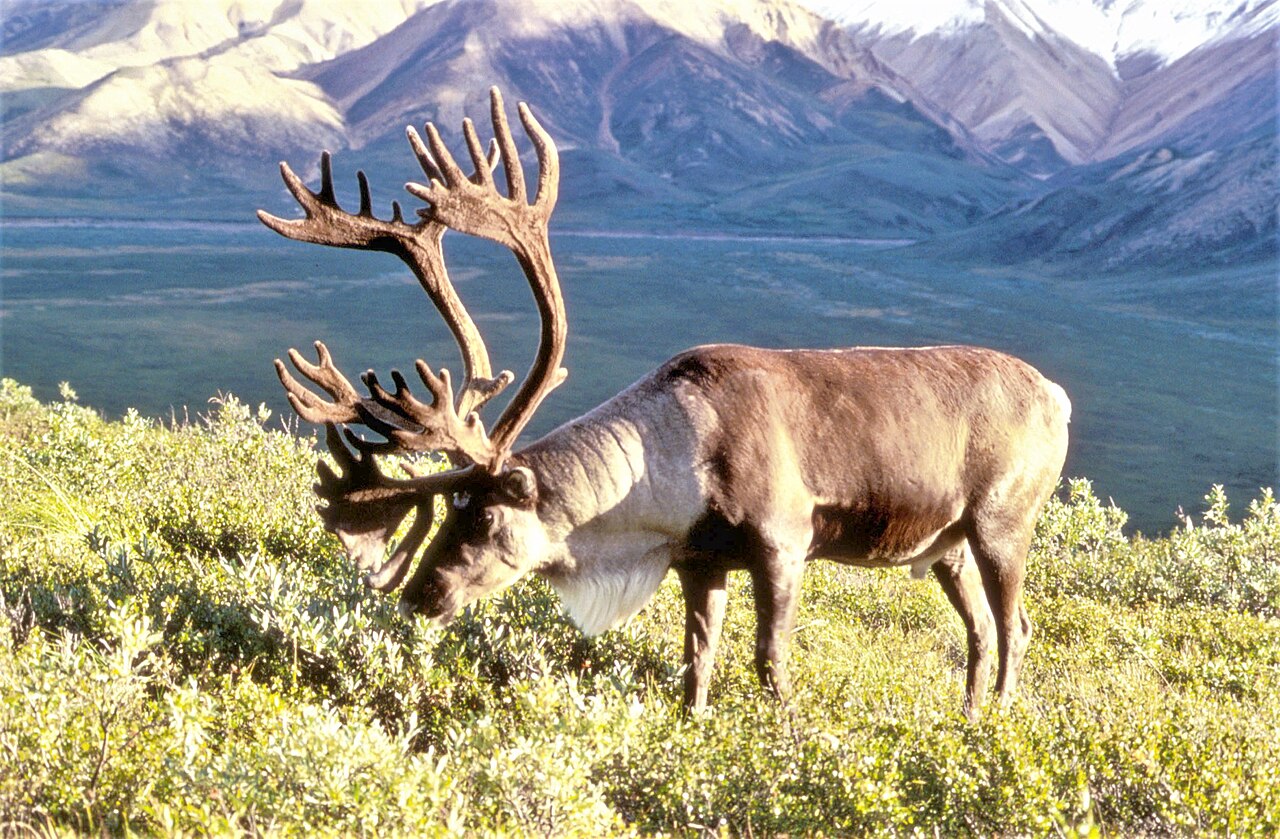
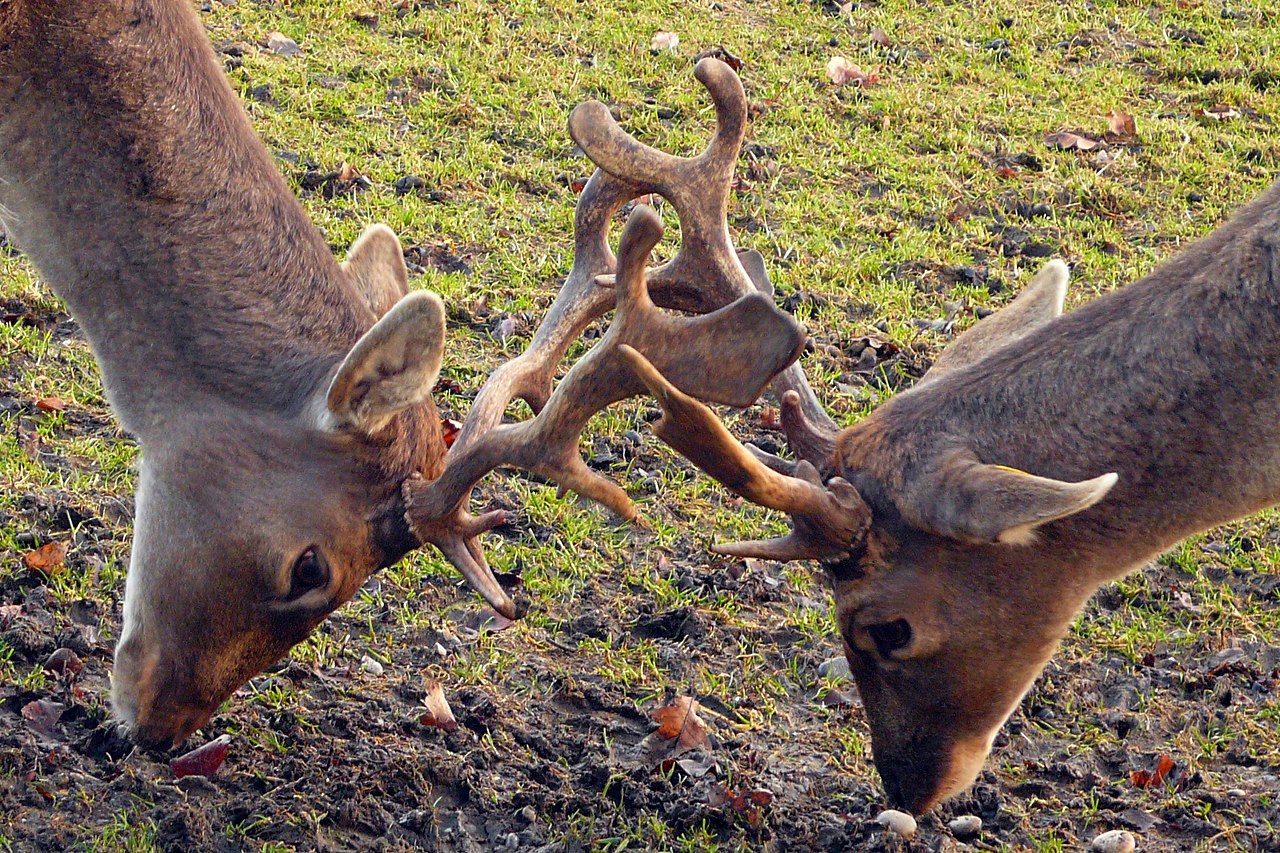
Antlers begin as soft, vascularized tissue called "velvet" that supplies nutrients while the structure elongates. During the growth phase the developing antlers are covered in this skin and are sensitive. Once growth is complete the velvet is shed and the exposed antler hardens into bone. The main core material is similar to other skeletal bone, and their branching patterns and size vary by species, age and health. Many accounts describe antlers as made of bone, and they form from pedicles on the skull.
Functions and behaviours
Antlers serve multiple functions in wild populations. They act as visual signals of age, condition and genetic quality, and they are used in ritualized sparring or more intense fights between males during breeding season. Antlers can also play roles in defense and in clearing vegetation in some circumstances. Seasonal shedding and regrowth mean antlers reflect an individual's recent nutritional status and hormonal cycles.
Species variation and notable facts
In most deer species only males grow antlers, but an important exception is the reindeer (caribou), where females also bear antlers, typically smaller than those of males. Antler size and complexity differ across species: small woodland deer have relatively simple spikes while larger species produce elaborate multi-tined crowns. In common usage antlers are often associated with deer broadly.
Differences from horns and human uses
- Antlers are usually branched, seasonal and shed annually; they are bone and grown anew each year.
- Horns (found in bovids) are permanent, unbranched and consist of a bony core covered by a keratin sheath.
Humans have long collected shed antlers for tools, ornamentation and as material for crafts. In science and wildlife management, antlers offer information about age structure, health and reproductive timing in populations.
Evolutionary and ecological context
Antlers are the product of sexual selection and ecological pressures. Their recurrent annual growth involves substantial metabolic investment, which links antler characteristics to an animal's access to resources. Researchers study antlers to understand life-history trade-offs, population dynamics and the evolutionary processes that shape sexually selected traits.
Related articles
Author
AlegsaOnline.com Antlers: structure, growth cycle, functions and distinctions Leandro Alegsa
URL: https://en.alegsaonline.com/art/4698
Sources
- books.google.com : Bones and cartilage: developmental and evolutionary skeletal biology
- books.google.com : Mammals of the Eastern United States