
Paris, Ontario — riverside town in the County of Brant
Paris, Ontario is a small riverside community in southwestern Ontario known for its confluence of the Grand and Nith Rivers, historic limestone buildings, agricultural hinterland, and active local community.
Overview
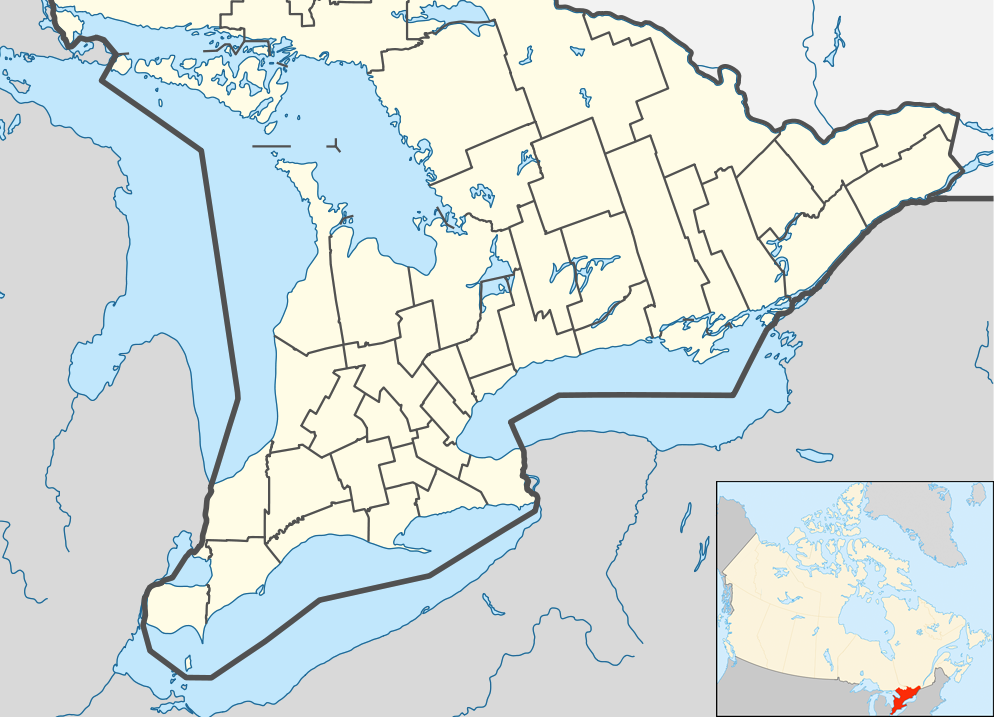
Paris is a small town in the County of Brant in southwestern Ontario, Canada. It sits at the confluence of the Grand and Nith Rivers and functions as a local service centre for surrounding farms and residential neighbourhoods. The town lies roughly 150 kilometres west of Toronto and within commuting distance of regional centres such as Kitchener, Brantford and London. For regional orientation see local map and provincial context at Ontario and Canada. Visitors commonly use Toronto as a reference point; transit and road information is often linked from pages like transport guides.
Image gallery
4 Images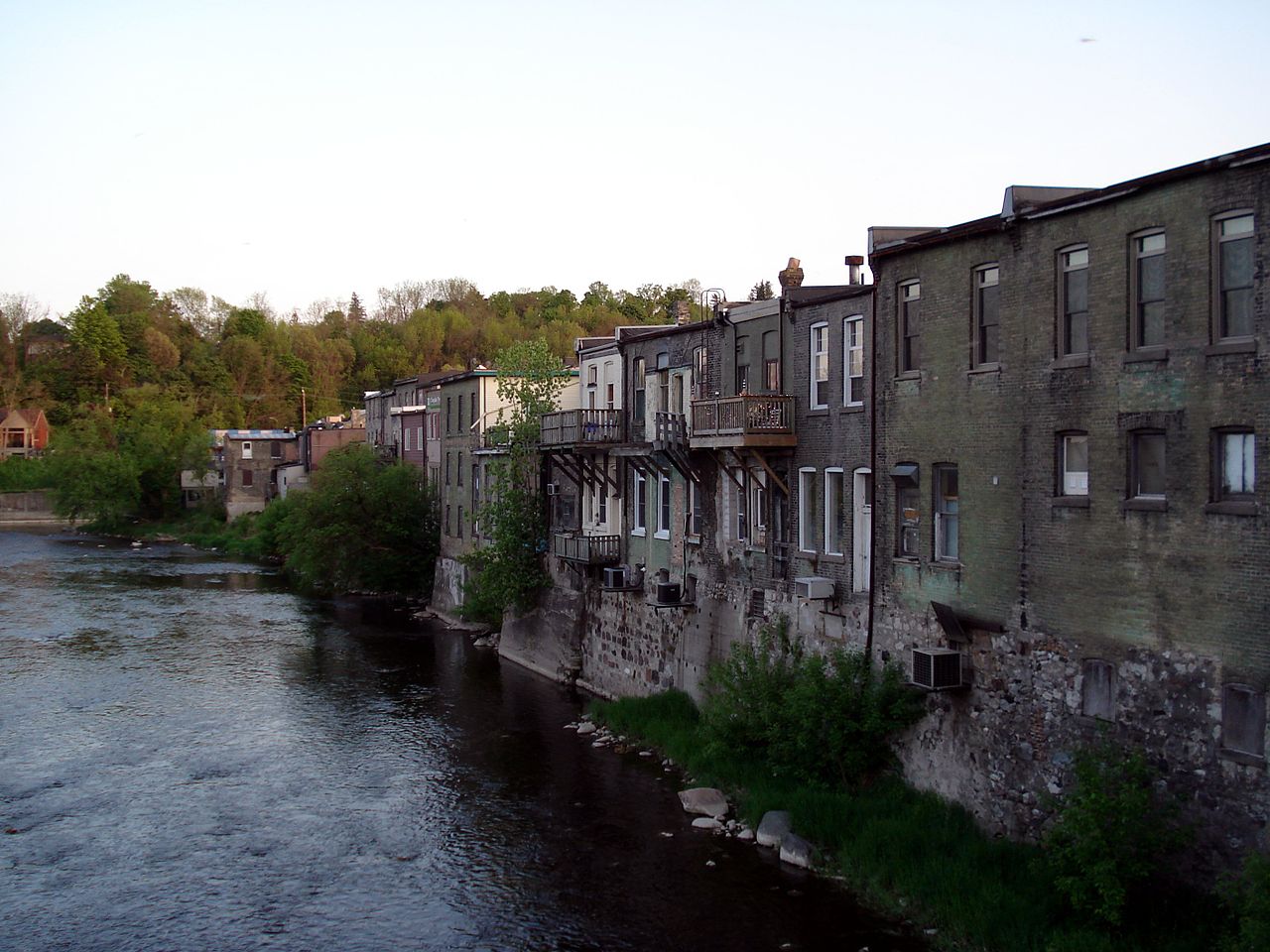

Geography and built character
The town’s most distinctive physical feature is the meeting of the Grand and Nith Rivers, which creates a scenic riverside setting that shapes local parks, trails and recreational uses. A number of downtown buildings are finished in locally quarried limestone and historic brick, reflecting 19th-century construction materials and styles. The surrounding landscape is largely agricultural, with active farms and fields within a short drive of the town core. For land use and local planning information see municipal resources such as demographic and planning pages.
History and development
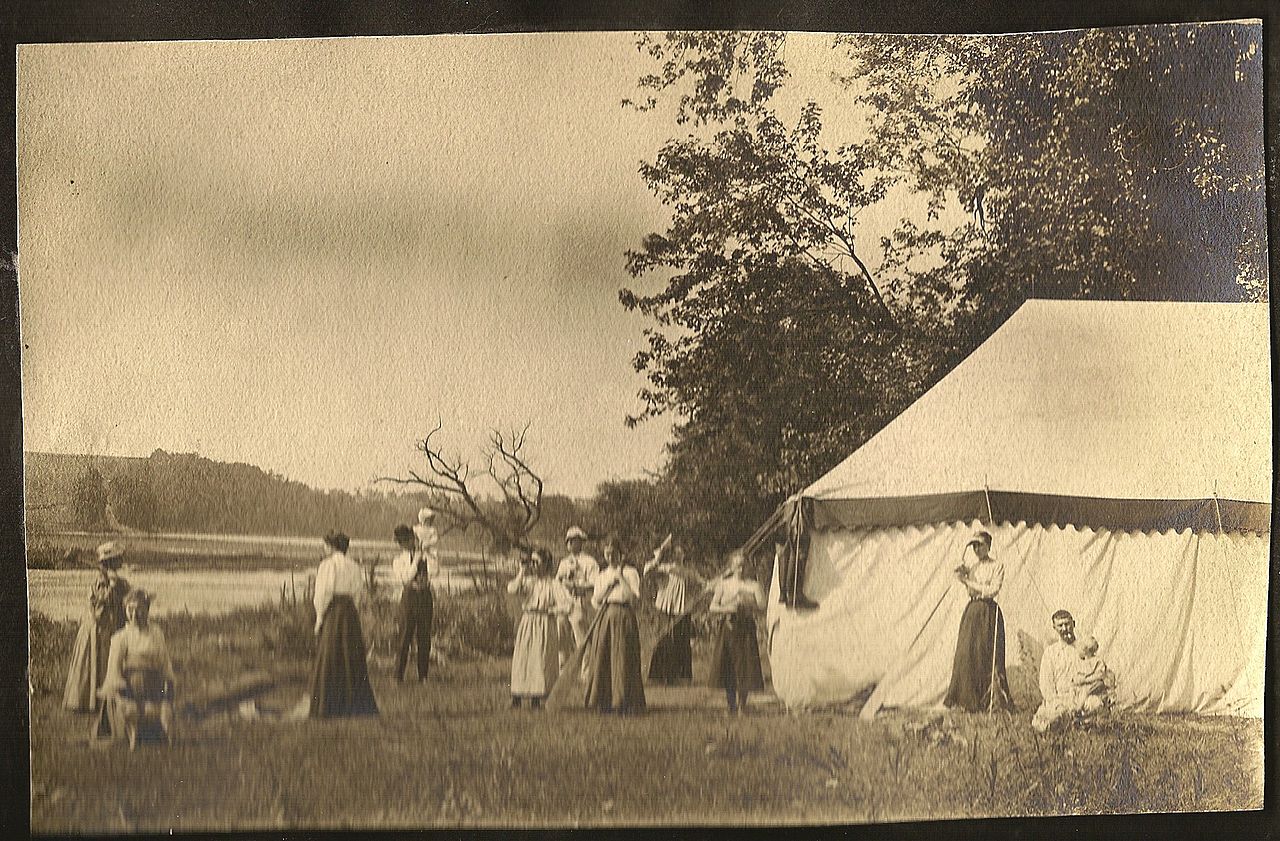
Paris developed in the 19th century as a milling and manufacturing centre, taking advantage of river power and nearby raw materials. Over time it supported textile, clothing and furniture production, along with other light manufacturing. Like many small Ontario towns, Paris has experienced a shift away from large-scale manufacturing toward service industries, construction and a commuter-based residential economy. Historical summaries and archival material can be consulted via local history groups and museums (archives, heritage).)
Economy, community and services
Today the town’s economy is mixed: agriculture remains important in the surrounding countryside while retail, education, health services and small businesses provide most local employment. Many residents commute to nearby cities for work, and recent residential development has added new housing and families. The community sustains active business associations, volunteer organisations and service clubs that promote downtown vitality and local events. For business support and local initiatives see business association, economic development and community pages.
Recreation, culture and education
Riverside parks, walking trails and paddling opportunities attract residents and visitors in warmer months; seasonal farmers’ markets, fairs and community sports provide social focal points. The town has elementary and secondary schools that serve families in the area, and local clubs offer organized sports and arts programs. Cultural and recreational listings are available through municipal and tourism outlets (parks, recreation, schools).
Notable facts and distinctions
Paris is often described as a picturesque small town because of its riverside setting and historic architecture, and it functions as a regional hub for nearby rural areas. While traditional manufacturing has declined, ongoing development projects and a strong volunteer culture contribute to local resilience. For visitor information, municipal services and event calendars consult local sources such as visitor, municipal and events pages. Additional reference material, community profiles and statistical summaries are available at regional, county, and provincial portals, and local job and housing information can be found at employment and housing resources.
Related articles
Author
AlegsaOnline.com Paris, Ontario — riverside town in the County of Brant Leandro Alegsa
URL: https://en.alegsaonline.com/art/74674