
Park Lane (London): avenue, hotels, and urban role
Park Lane is a major thoroughfare in the City of Westminster, running beside Hyde Park. Known for luxury hotels, car showrooms and heavy traffic, it links Hyde Park Corner and Marble Arch.
Park Lane is a principal road in the City of Westminster that forms the eastern boundary of Hyde Park in Central London. It runs for about three quarters of a mile (roughly 1.2 km) from Hyde Park Corner in the south to Marble Arch in the north. As an arterial route it carries substantial traffic but remains closely associated with high-end hotels, showrooms and affluent neighbourhoods.
Image gallery
10 Images




Location and characteristics
Located in the City of Westminster within Central London, the road has a long, straight alignment along the park edge. It functions both as a traffic corridor and as a prestigious urban address. Typical features include wide carriageways, pavements, and a mix of large hotels, car dealerships and commercial frontages facing busy traffic.
History and development
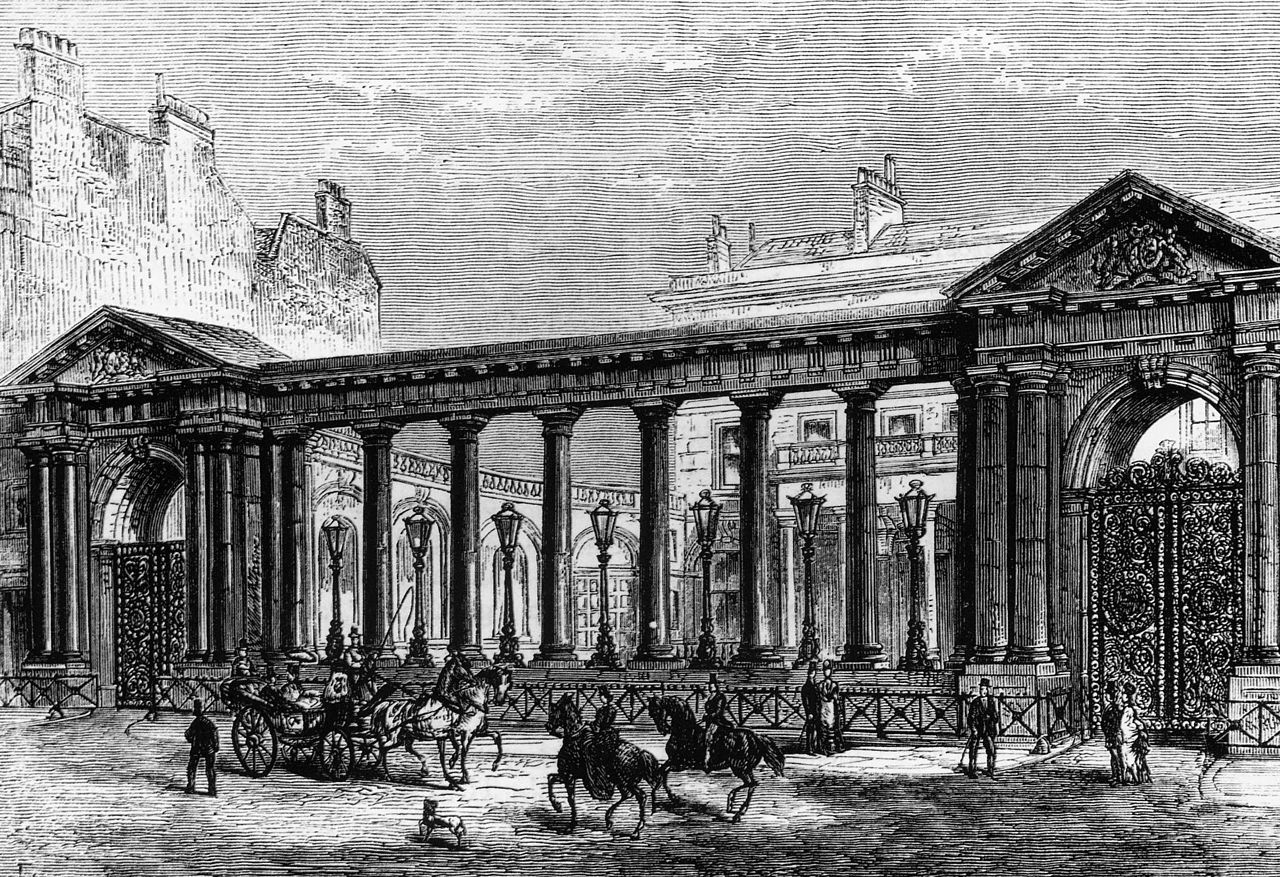
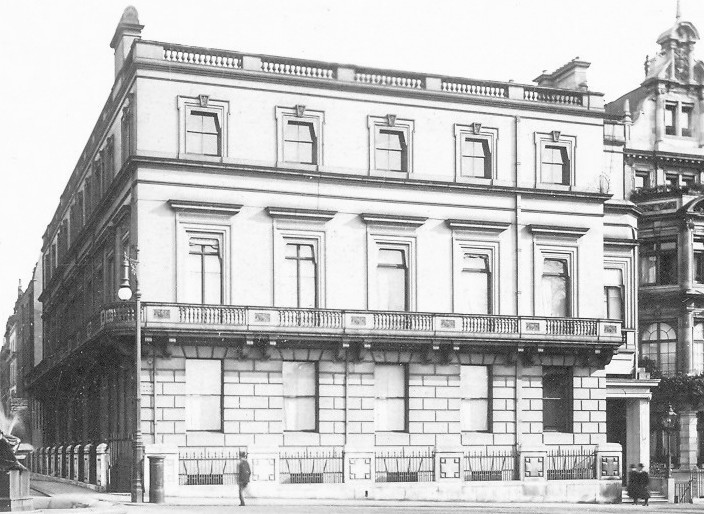
Originally a country lane beside the park, the route developed as London expanded from the 18th century onwards. Over time modest houses and large townhouses were replaced by purpose-built hotels and commercial buildings. The street’s transformation mirrored Westminster’s change from a semi-rural fringe to an urban centre closely tied to leisure, hospitality and high-value property.
Uses and notable sites
- Luxury hotels and hospitality — several five-star establishments anchor the road, including well-known names that attract international visitors and dignitaries; see examples linked to hotel listings.
- Automotive showrooms — Park Lane hosts showrooms and dealers for premium and performance marques; an overview is available via car showroom listings.
- Access to green space — its position beside Hyde Park provides immediate access to one of London’s largest public parks and recreational routes.
The area adjacent to Park Lane is commonly associated with Mayfair, a district noted for luxury retail and private residences. Despite its commercial profile, the road is also frequently mentioned in popular culture and games that reference London real estate.
Challenges and distinctions
Park Lane combines prestige with practical urban pressures: heavy traffic, noise and air quality concerns affect its desirability as a residential street even as its hotels and businesses maintain a premium image. Transport links near each end, including tube stations and major junctions, underline its continued importance as a central London thoroughfare. For a quick reference to its status as a major route, see a general description at major road.
Overall, Park Lane is notable for the contrast between its role as a busy arterial route and its association with luxury hospitality, high-value commerce and proximity to one of London’s most famous parks.
Questions and answers
Q: What is Park Lane?
A: Park Lane is a major road located in the City of Westminster, in Central London.
Q: How long is Park Lane?
A: Park Lane is about three quarters of a mile, which is equal to 1.2 km in length.
Q: Where does Park Lane run to?
A: Park Lane runs north from Hyde Park Corner to Marble Arch, along the length of the eastern flank of Hyde Park.
Q: How would you describe Park Lane?
A: Despite the traffic noise, Park Lane is an upmarket road. It features five-star hotels, showrooms for several makes of high-end sports cars, and is a part of the area known as Mayfair.
Q: What are some of the five-star hotels located on Park Lane?
A: Some of the five-star hotels located on Park Lane are The Dorchester, Grosvenor House Hotel, and InterContinental London Park Lane Hotel.
Q: What is the area known as where the hotels are located?
A: The area known as where the hotels are located is Mayfair.
Q: What could you see on Park Lane besides hotels?
A: Besides hotels, you can also see showrooms for several makes of high-end sports car on Park Lane.
Related articles
Author
AlegsaOnline.com Park Lane (London): avenue, hotels, and urban role Leandro Alegsa
URL: https://en.alegsaonline.com/art/74701
Sources
- british-history.ac.uk : pp. 264-289