
Pantanal: South America's vast seasonal wetland
The Pantanal is the largest tropical wetland in the world, spanning parts of Brazil, Bolivia and Paraguay. This article explains its landscape, biodiversity, seasonal floods, human uses, threats and conservation.
Overview
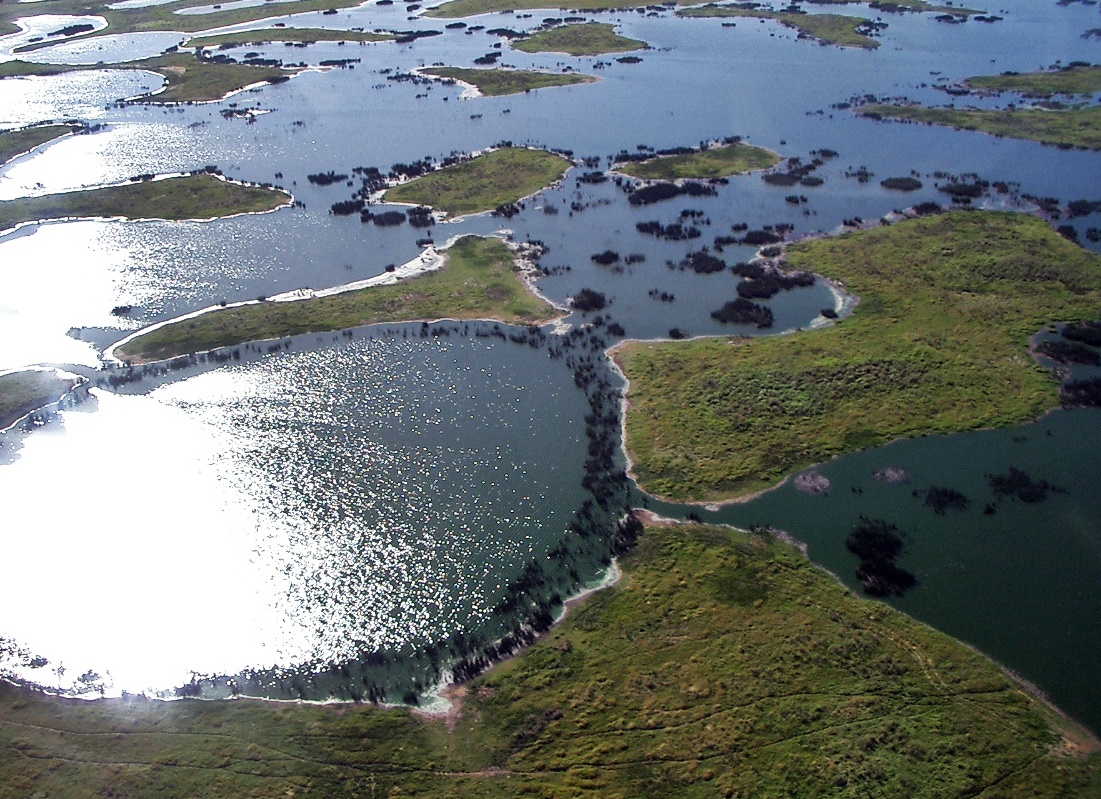
The Pantanal is widely recognized as the world's largest wetland, a seasonally flooded plain in central South America. Covering roughly 140,000 km²—areas and figures vary by source—the region is larger than some countries and forms a distinct ecological unit when compared with neighboring savannas and river basins. It is commonly described as a wetland or marshland and sometimes referred to by the informal term swamp, though its landscape includes a complex mix of lakes, channels, floodplains and dry-terra islands.
Image gallery
10 Images



Location and extent
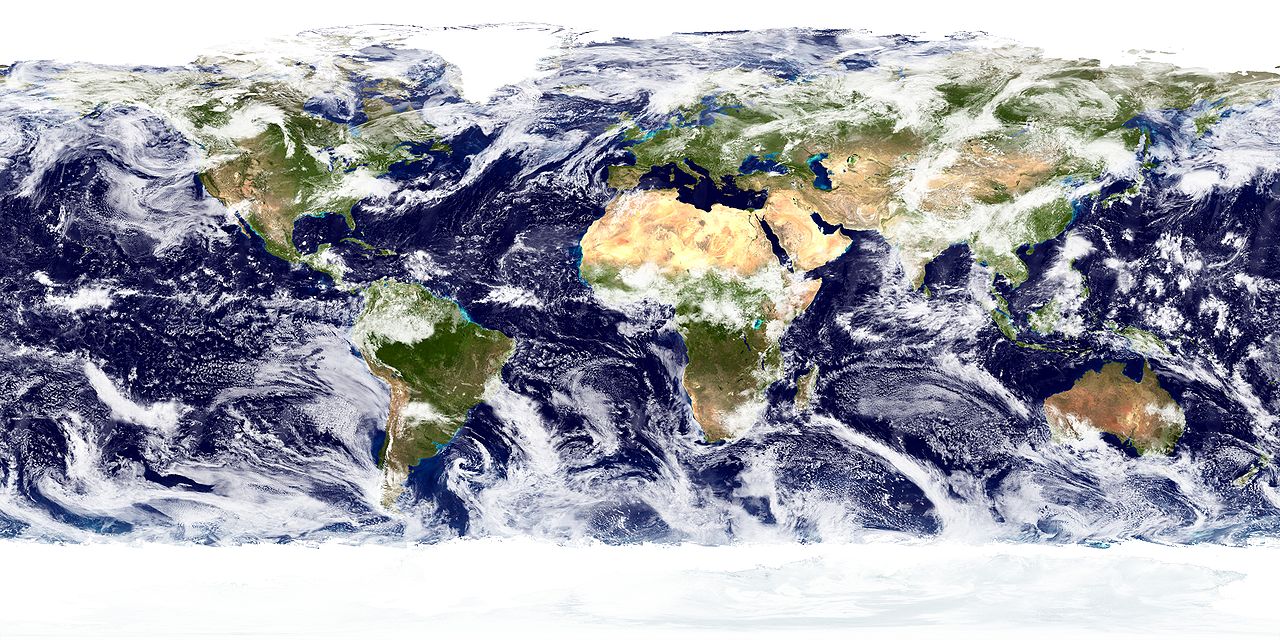
The Pantanal lies in South America and is shared among three countries: the majority is in Brazil, with significant portions extending into northern Bolivia and eastern Paraguay. For scale, its area is often compared to that of Greece (Greece) to convey its continental size. Boundaries are imprecise because the wetland expands and contracts seasonally and because different scientific and political maps use different criteria for inclusion.
Hydrology and seasonal cycle
The Pantanal’s defining feature is its annual flood pulse. During the rainy months the lowlands receive runoff from surrounding highlands and river systems, so that in some years nearly 80% of the plain becomes inundated. This pronounced wet season (locally described as winter in some climatic classifications) is followed by a drier period when water recedes and large meadows and islands of vegetation emerge. The flooded and exposed phases together drive nutrient flows, fish migrations and breeding cycles for many species, and they shape how people use the land.
Flora, fauna and ecological importance
The Pantanal supports an extraordinary concentration of life adapted to its rhythms. Vegetation ranges from gallery forests along rivers to open grasslands and aquatic macrophyte beds. Reported biodiversity includes thousands of plant species and hundreds of bird and fish species; mammals such as capybara and jaguar, large water birds and diverse reptiles are characteristic. Typical notable inhabitants include the hyacinth macaw, giant otter and abundant fish assemblages that migrate with the floods. These ecological communities deliver services such as fisheries, water purification and carbon storage.
Human uses and threats
People have used the Pantanal for centuries. Traditional cattle ranching and seasonal fisheries are long-standing livelihoods, and the region attracts ecotourism for wildlife viewing. However, multiple pressures now threaten the system. Pollution from agricultural runoff and urban waste is a growing problem (pollution), as is contamination by mercury associated with informal gold and other extractive activities. Broader mining, land conversion for pasture, upstream deforestation and altered river flows reduce the wetland’s ability to buffer contaminants and sustain floodplain dynamics.
Conservation, management and notable facts
Parts of the Pantanal are formally protected and recognized for their global value; several reserves and conservation units exist to conserve key habitats and species. The area has attracted international attention because of its size, biodiversity and the ecosystem services it provides. Yet the wetland remains vulnerable to large fires during extended dry periods, changes in rainfall patterns and human-driven landscape change. Seasonal flooding (flooded) continues to shape both natural processes and human activity, making integrated basin-scale management essential for the Pantanal’s future.
- Key ecological role: seasonal flood pulse sustaining fisheries and wildlife.
- Major threats: pollution, mercury contamination, mining and land-use change.
- Cross-border importance: shared by Brazil, Bolivia and Paraguay; requires transnational cooperation.
- Further reading: overview and conservation programs available through regional research and protected-area resources (see global wetland references).
For more technical descriptions, hydrological data and conservation listings consult national agencies and international bodies that monitor wetlands and biodiversity across South America. The Pantanal remains one of the planet’s most dynamic and productive wetland landscapes, a place where flood and drought alternate to shape a rich mosaic of life and human culture.
Additional resources: wetland definitions, habitat terms, comparative maps, continental context, Brazilian conservation, Bolivian sections, Paraguayan sections, pollution studies, mercury impacts, gold mining, mining effects, seasonal timing and inundation patterns.
Questions and answers
Q: What is the Pantanal?
A: The Pantanal is the world's largest wetland or swamp, covering a region of 140,000 km2 in South America and shared by Brazil, Bolivia and Paraguay.
Q: What are some threats faced by the Pantanal?
A: The Pantanal faces threats such as pollution, mercury from gold mining, and ranching. The increased amount of chemicals is becoming a concern.
Q: How diverse is the wildlife in the Pantanal?
A: The wildlife in the Pantanal is surprisingly diverse, with about 3,500 species of plants, 650 species of birds, 230 species of fish, 80 species of mammals, and 50 species of reptiles.
Q: How many crocodiles were there in the Pantanal in 1996?
A: In 1996, there were about 10 million crocodiles in the Pantanal.
Q: Are there specially protected natural areas within the Pantanal?
A: Yes, there are a number of specially protected natural areas within the Pantanal, including the Pantanal Nature Reserve, which is a UNESCO World Heritage Site.
Q: What is the flooding like in the Pantanal during winter?
A: In winter, nearly 80% of the area in the Pantanal is flooded.
Q: What is the size of the Pantanal compared to Greece?
A: The area covered by the Pantanal is larger than the area covered by the country Greece.
Related articles
Author
AlegsaOnline.com Pantanal: South America's vast seasonal wetland Leandro Alegsa
URL: https://en.alegsaonline.com/art/74390
Sources
- ramsar.org : "Pantanal in South America declared "Threatened Lake of the Year 2007""
- worldwildlife.org : "Pantanal (NT0907)"