
Paraíba (state in northeastern Brazil)
Paraíba is a coastal state in northeastern Brazil, known for its Atlantic beaches, Ponta do Seixas (the easternmost point of the Americas), cultural festivals, and a mix of coastal and semi-arid landscapes.
Overview
Paraíba is a state in northeastern Brazil located along the Atlantic coast. It combines coastal plains, an intermediate zone known as the agreste, and semi-arid hinterlands. The name comes from the Paraíba River and is often traced to a Tupi phrase commonly rendered as "bad for navigation." For official and general information see state resources.
Image gallery
10 Images



Geography and notable points
The state lies on Brazil's eastern seaboard, with beaches, reefs and estuaries facing the Atlantic. Paraíba contains Ponta do Seixas, widely regarded as the easternmost point of the American continents. For maps and coastal details consult regional maps and coastal guides.
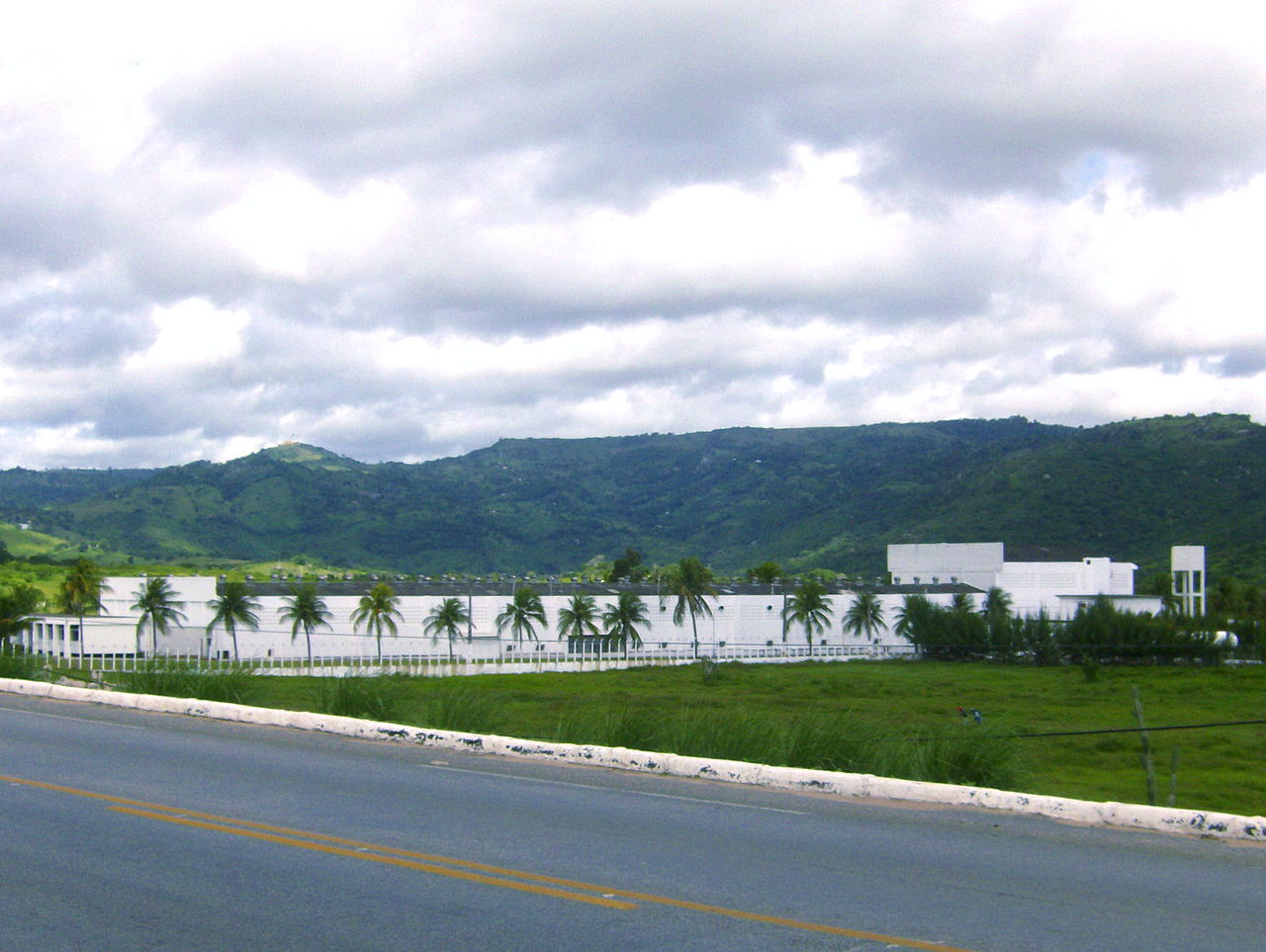
Paraíba's landscape varies from humid coastal strips with coconut groves and dunes to the drier agreste and interior sertão regions where seasonal rainfall shapes farming and water use. These contrasts influence settlement patterns, agriculture and biodiversity.
History and development
European colonization introduced sugarcane plantations and colonial towns along the coast. The region experienced conflict during the colonial era, including episodes involving Dutch incursions common to the northeastern seaboard. Over time, towns expanded inland, developing local commerce, crafts and cultural traditions that persist today.
Economy, culture and cities
Economic activity mixes agriculture (notably sugarcane and subsistence crops), livestock, salt extraction, light industry and services. Tourism along the beaches, as well as festivals and cultural events, contribute to the service sector. The capital, João Pessoa, is an administrative, cultural and commercial center; other important cities inland include Campina Grande, known for commerce, technology initiatives and large popular festivals. For visitor information see city and tourism pages.
Distinctive features and importance
- Easternmost point of the Americas (Ponta do Seixas).
- Strong traditions of forró music and São João (June) festivals.
- Ecological variety from Atlantic reefs to semi-arid scrublands.
- Historical ties to colonial sugar economies and regional trade networks.
Paraíba's mix of coastal scenery, inland culture and historical legacy makes it an important part of Brazil's northeastern identity, attracting tourists, researchers and those interested in regional traditions and environmental variety.
Related articles
Author
AlegsaOnline.com Paraíba (state in northeastern Brazil) Leandro Alegsa
URL: https://en.alegsaonline.com/art/74524
Sources
- ibge.gov.br : ibge.gov.br/