
Palaestra at Olympia: architecture, use, and historical context
The palaestra at Olympia is the ruined ancient training building where Greek wrestlers and other athletes trained; notable for its square plan, Doric colonnades, and 3rd‑century BC origins.
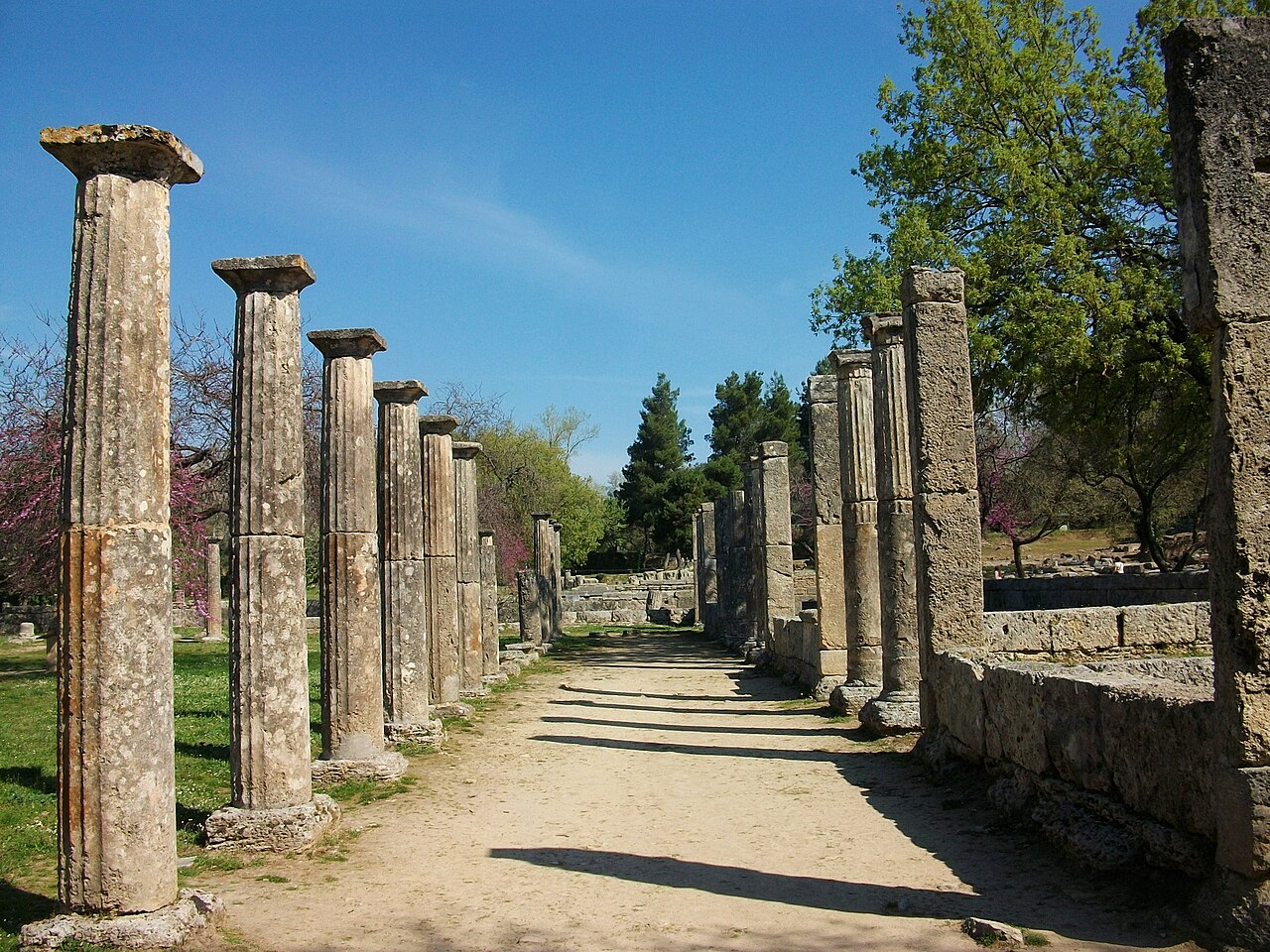
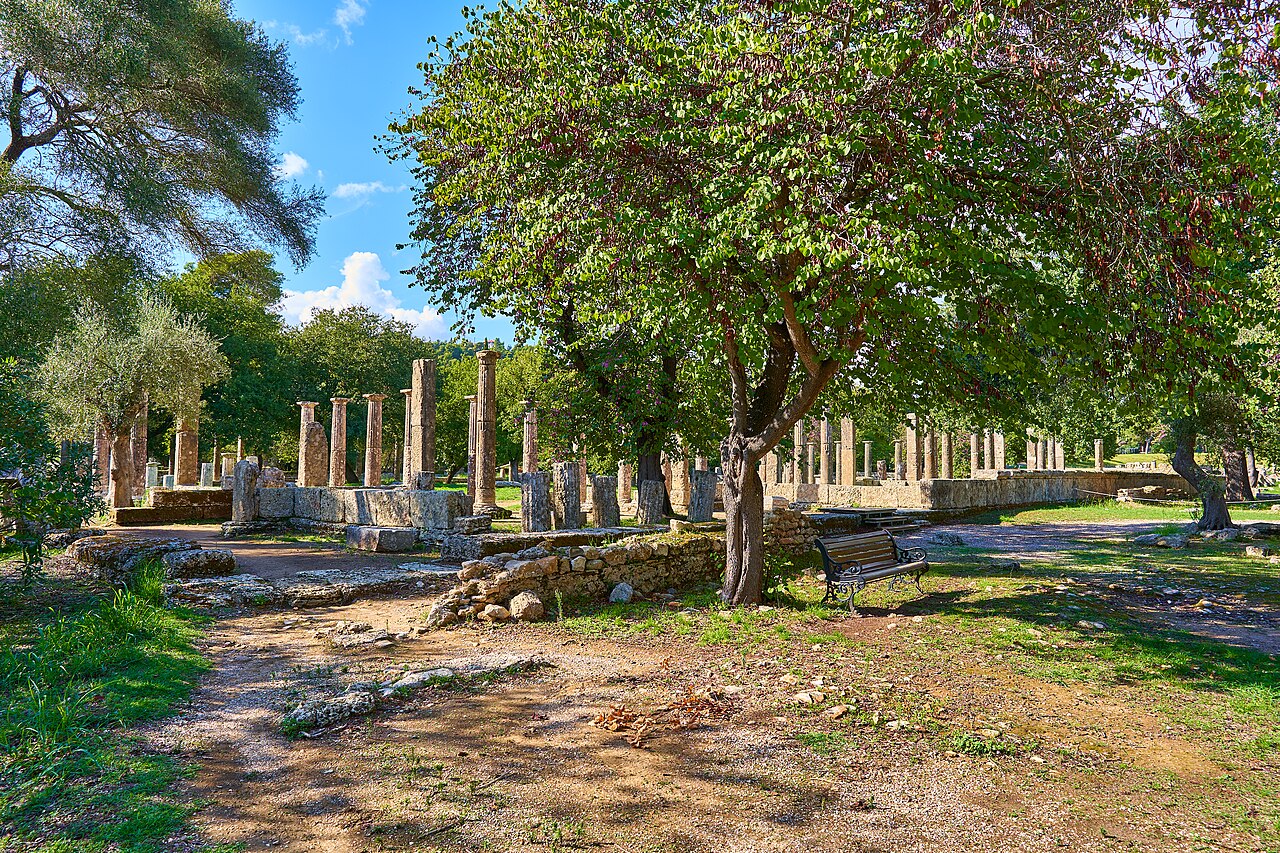
The palaestra at Olympia is an ancient training building associated with the sanctuary of Zeus. It survives only as ruins, but its plan and surviving masonry reveal a purpose-built complex for physical preparation and social interaction. The site is one example of the many palaestrae that existed across the Greek world, each serving as a dedicated space where young men practised athletic disciplines and learned associated customs and etiquette. ancient structure and now in ruins, the palaestra stands within the broader landscape of the Olympic site and its athletic precinct.
Image gallery
10 Images





Layout and architectural features
The palaestra at Olympia has a roughly square plan with sides of about 66 metres. At its heart was an open, sand‑covered courtyard used for unarmed combat practice; this central yard opened to the sky and was ringed by covered colonnades that provided shelter in poor weather. The outer walls were constructed with stone at the base and brick above, a common combination in Hellenistic buildings. The corners and walkways were articulated with Doric style elements and framed by a sequence of columns along the peristyle. The main entrance to the palaestra opens from the northwest corner, a layout detail recorded in the excavations and plans of the complex (northwest).
Rooms and facilities
Arranged off the colonnades were changing rooms, storage spaces for oil and equipment, and small practice chambers. A recessed tub, reported to be approximately 1.5 metres deep, provided cold bathing facilities in one corner of the yard. These ancillary rooms allowed athletes to dress, anoint themselves with oil, and prepare the sandy fighting ground. Typical activities included rubbing in oil, then removing it and applying powder or sand prior to exercise—customs described in literary and archaeological sources. See references to ordinary athlete care routines such as applying olive oil and being dusted with sand or powder.
Purpose and activities
Palaestrae were primarily spaces for practising wrestling and related disciplines. At Olympia, competitors used the palaestra to train for events included in ancient games: wrestling and the mixed combat sport known as pankration, and sometimes for boxing. The palaestra complemented the adjacent gymnasion, which provided space for running, jumping and other exercises requiring open tracks or longer ranges. Together these buildings formed an integrated set of facilities for athletes and their trainers within the Olympic sanctuary.
History, excavation and significance
The palaestra at Olympia is generally dated to the Hellenistic period, around the third century BC. It lies to the north of the gymnasium (gymnasion), and its remains were investigated in modern times by archaeological teams. Partial restoration work by the German Archaeological Institute in 1955–56 stabilised some walls and colonnade elements, but a full reconstruction is impossible because many original columns and architectural members have been lost. The palaestra is important not only as an athletic facility but also as a social setting where training, instruction, and informal gatherings took place among Greek Greek athletes. Its plan and surviving details help scholars compare regional variations of the palaestra type and understand the daily practices of ancient competitors.
- Key functions: training for combat sports, bathing, dressing, and social exchange.
- Architectural highlights: square plan, central sand court, covered colonnades, stone and brick walls.
- Archaeological note: partial mid‑20th century restoration; many original elements lost.
The palaestra at Olympia thus offers a clear window into the practical and communal aspects of ancient athletic life. While fragmentary, its form and context continue to inform studies of ancient sports, education, and architecture, and it remains a focal point for visitors exploring the Olympic sanctuary and the development of Greek athletic culture.
Questions and answers
Q: What was the purpose of a palaestra?
A: A palaestra was the place where Greek athletes trained for and practiced wrestling, the pankration, and sometimes boxing.
Q: When was the palaestra at Olympia built?
A: The palaestra at Olympia was built sometime in the third century BC.
Q: Where is the palaestra located in relation to the gymnasion?
A: The palaestra at Olympia is north of the gymnasion.
Q: How large is it?
A: The sides of the square-shaped structure are each about 66 meters long.
Q: What materials were used to construct its walls?
A: The lower part of its outer walls were made of stone and the upper part of brick.
Q: What activities took place inside?
A: Inside was a sand-covered yard open to sky surrounded by colonnades on all four sides, as well as rooms for dressing and undressing, rubbing with oil, dusting with powder or sand, meeting friends, and storing equipment. There was also a tub in one corner that could be used for cold baths.
Q: Was it ever restored?
A: In 1955–56, the German Archaeological Institute partly restored it; however complete restoration is not possible because many columns have been destroyed.
Related articles
Author
AlegsaOnline.com Palaestra at Olympia: architecture, use, and historical context Leandro Alegsa
URL: https://en.alegsaonline.com/art/74126