
Pankration: The Ancient Greek Full-Contact Combat Sport
Pankration was an ancient Greek combat event combining grappling and striking. This article explains its rules, techniques, history, cultural importance, notable figures, and its echoes in later combat traditions.
Overview
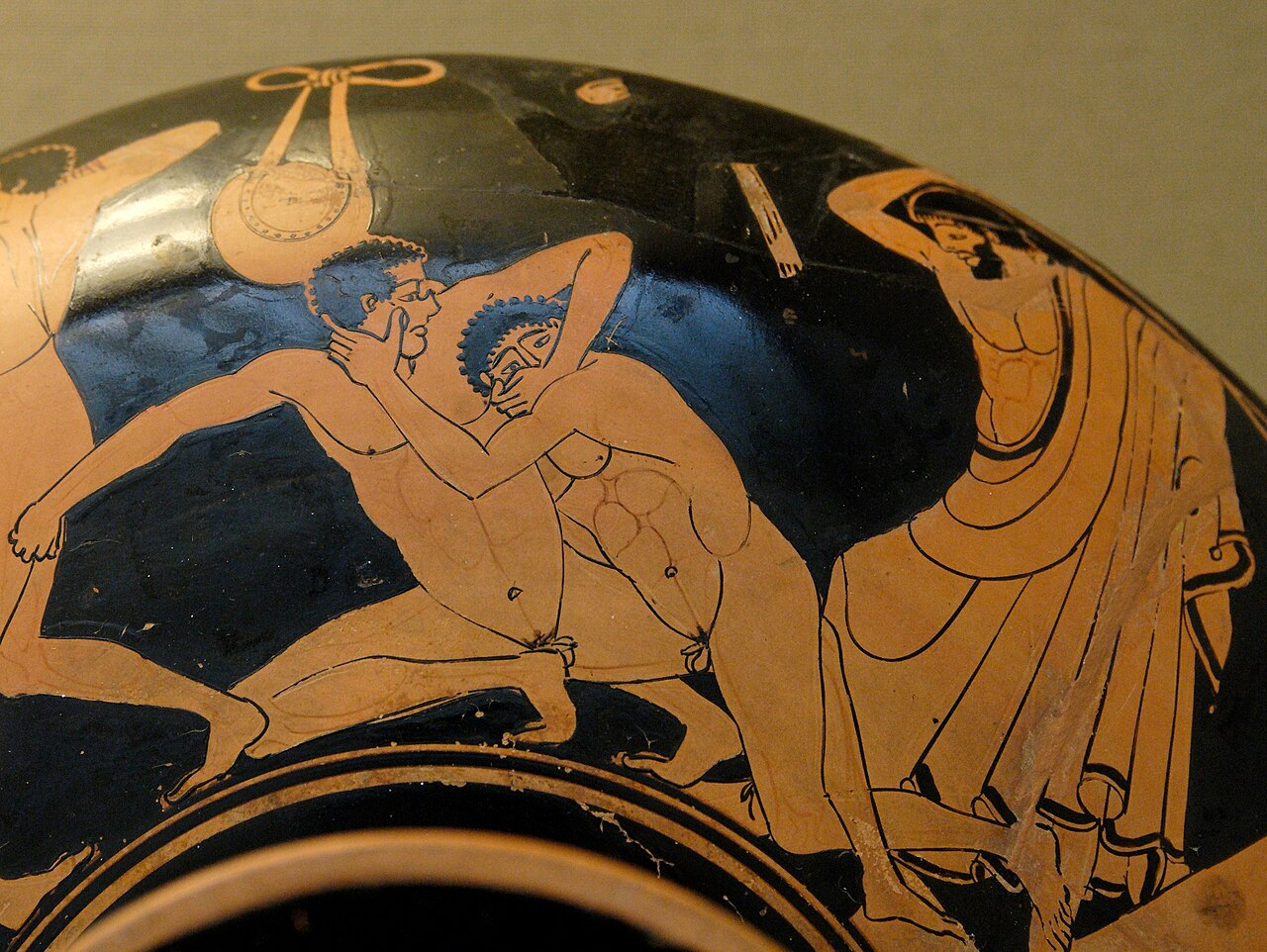
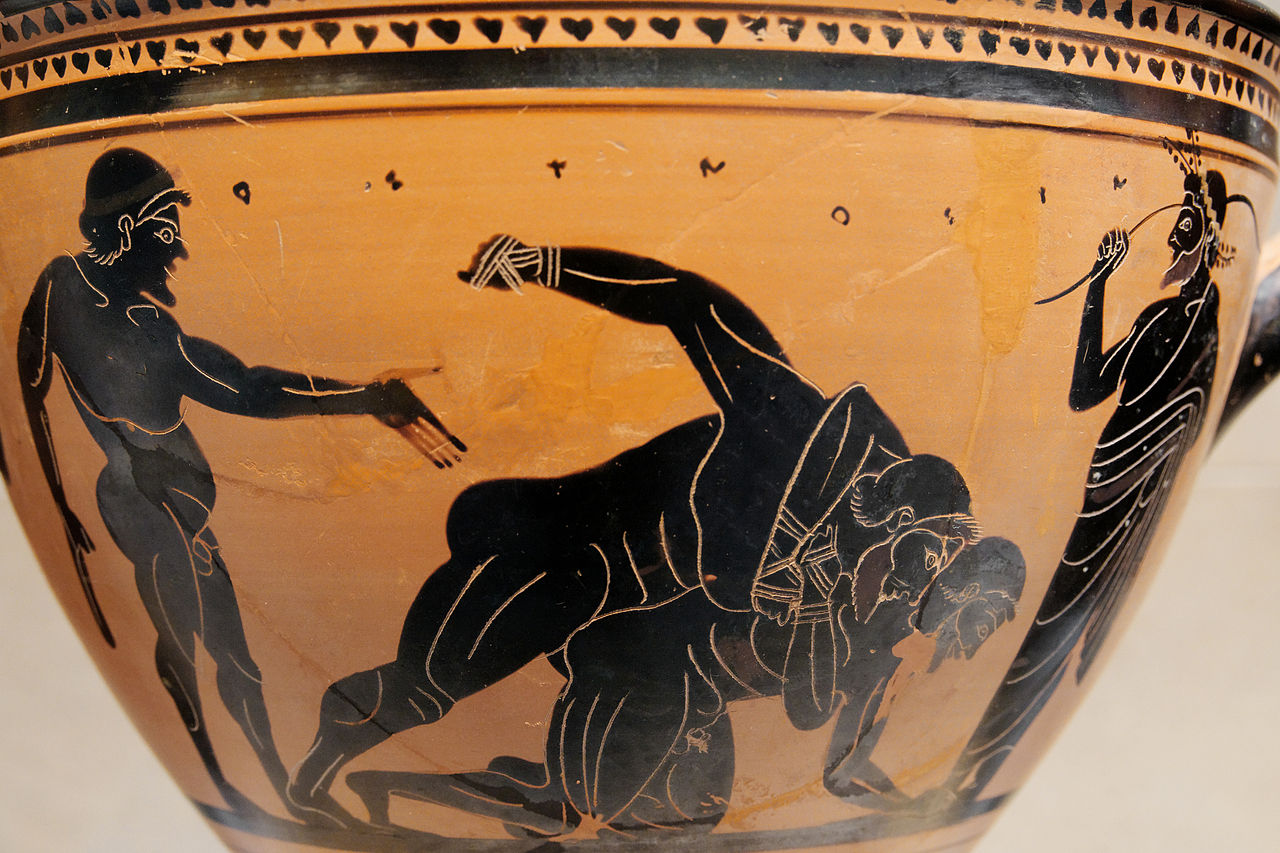
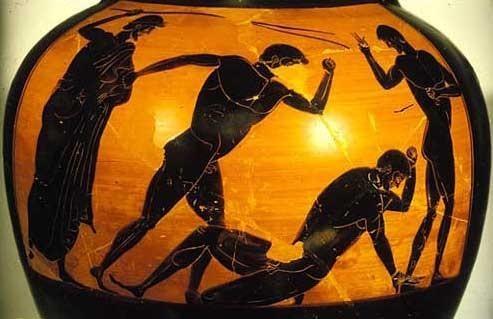
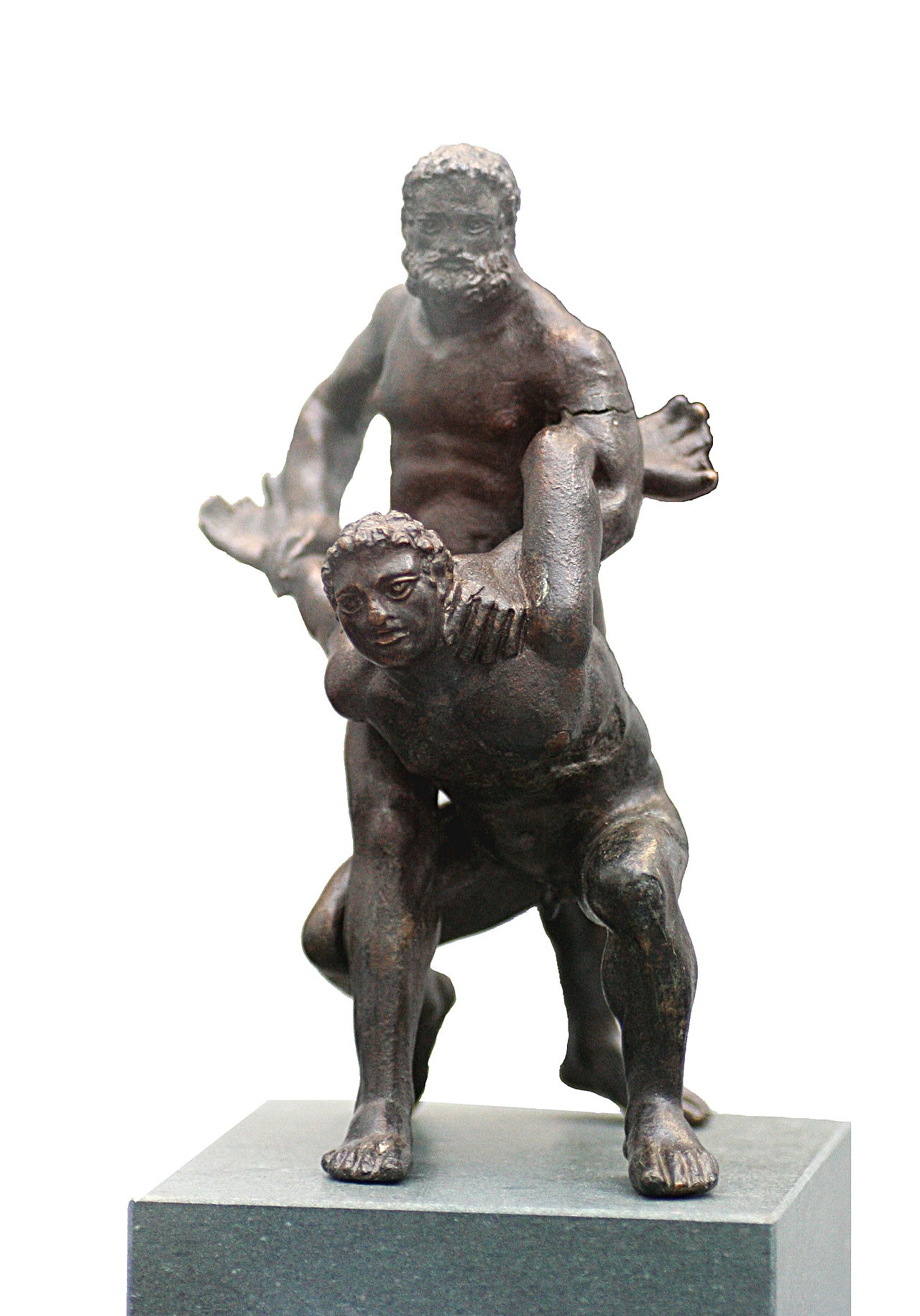
Pankration (Greek: "all powers" or "all-force") was an athletic combat event in Classical antiquity that blended elements of wrestling and striking. Practiced at major Panhellenic festivals, it tested strength, endurance, and technical skill in ways that athletes and spectators considered the supreme proof of martial ability. Evidence for pankration comes from literary descriptions, vase paintings and statuary, and from lists of victors recorded at games.
Image gallery
10 Images





Rules and distinctive techniques
The competition allowed a broad range of holds, throws, joint locks and strikes. Unlike pure wrestling, a pankratiast could employ closed-fist blows and open-hand strikes, although some particularly dangerous moves were prohibited. Common prohibitions included biting and gouging the eyes or soft spots with fingers or thumbs; these actions could bring immediate punishment by officials. When a combatant submitted—by raising a finger, calling for mercy, or becoming incapacitated—the bout ended. Victory could also be awarded when one fighter was unable to continue.
- Permitted: grappling on the feet and ground, chokes, joint manipulation, kicking and striking with the hands (fists).
- Forbidden: biting, eye-gouging and attacks intended to mutilate.
- Enforcement: referees used disciplinary measures, including flogging, to punish rule violations and maintain order (umpires).
Equipment, weight and style
Pankratiasts did not use the hand wraps or leather thongs typical of boxers; the absence of such protective straps emphasized grappling and submissions. In contrast to boxing and wrestling, where size and formal technique were decisive, pankration often reduced the importance of raw weight because much of the contest took place on the ground and depended on positional skill. References to athletic attire and accessories appear in ancient descriptions, and some scholars note that boxers used leather thongs (boxing thongs) while pankratiasts fought largely unencumbered.
History and cultural significance
Pankration was introduced into the Olympic Games in the 7th or 6th century BCE and quickly became one of the most celebrated events. The poet Pindar composed victory odes honoring several pankratiasts, and literary authors praised the sport as the ultimate test of martial virtue. Its popularity continued into Roman times, where similar full-contact contests were staged in amphitheatres and gymnasia. The sport's name and practices reflect a Greek appreciation for combining varied skills within a single discipline.
Notable examples and legacy
Ancient sources recount memorable champions and dramatic finishes. One famous example involves Arrichon of Philaegia, a victor who was reportedly awarded the wreath posthumously after dying in a final contest; such stories underline both the ferocity of the sport and the high honor invested in victory. Poets and historians celebrated pankratiasts as exemplary athletes, and visual art often commemorates their feats. Eight of Pindar's odes are associated with victors in the event.
Distinctions and modern echoes
Pankration differs from regulated boxing and classical wrestling in its allowance of striking plus submission techniques, yet it was not a lawless brawl—the ancients set rules and employed officials to enforce them. Archaeology and texts show a continuous interest in the sport through the Hellenistic and Roman periods. In the modern era, pankration has been referenced as an ancestor of contemporary mixed-combat systems; there have been conscious revivals and sporting adaptations that draw on the ancient model while applying modern safety rules and organization. For further background and sources, see entries on Ancient Greece and discussions of athletic culture and equipment (thongs and wraps). Fist-and-grapple techniques and their depictions remain a subject of study for historians and martial practitioners alike (boxing thongs, umpires).
Although practices changed over centuries, pankration's reputation as a supreme test of fighting skill has endured, influencing how later societies understood combative sports and the relationship between athletic display and martial training.
Questions and answers
Q: What was Pankration in Ancient Greece?
A: Pankration was a sport in Ancient Greece.
Q: How many of Pindar's odes were written in honor of Pankratiasts?
A: Eight of Pindar's odes were written in honor of Pankratiasts.
Q: What was the difference between wrestling and Pankration?
A: The athletes were allowed to use their fists in Pankration, whereas they were not allowed to in wrestling.
Q: What were the rules regarding hitting and kicking in Pankration?
A: Hitting and kicking were allowed in Pankration but biting and gouging an eye or a soft spot with a thumb or finger were forbidden.
Q: What was the aim of a Greek wrestler?
A: A Greek wrestler aimed to throw his opponent down.
Q: What was the aim of a Pankratiast?
A: A Pankratiast aimed to force his opponent to concede defeat by getting him in a hold that could break a bone or dislocate a joint if he did not give up.
Q: Who was the most famous ancient Pankratiast?
A: The most famous ancient Pankratiast was Arrichon of Philageia in the 6th century BC.
Related articles
Author
AlegsaOnline.com Pankration: The Ancient Greek Full-Contact Combat Sport Leandro Alegsa
URL: https://en.alegsaonline.com/art/74378