
Papahānaumokuākea Marine National Monument
A vast protected area in the northwestern Hawaiian Islands; Papahānaumokuākea protects remote coral reefs, atolls, seabird colonies and endemic marine life across roughly 140,000 sq mi.
Overview
Papahānaumokuākea Marine National Monument is one of the largest marine protected areas on Earth. Located in the northwestern extent of the Hawaiian archipelago, it covers about 140,000 square miles (360,000 km2), an area often compared to the size of Greece. The monument's Hawaiian name recognizes ancestral connections between people, land and sea and reflects cultural as well as biological values.
Image gallery
10 Images




Geography and extent
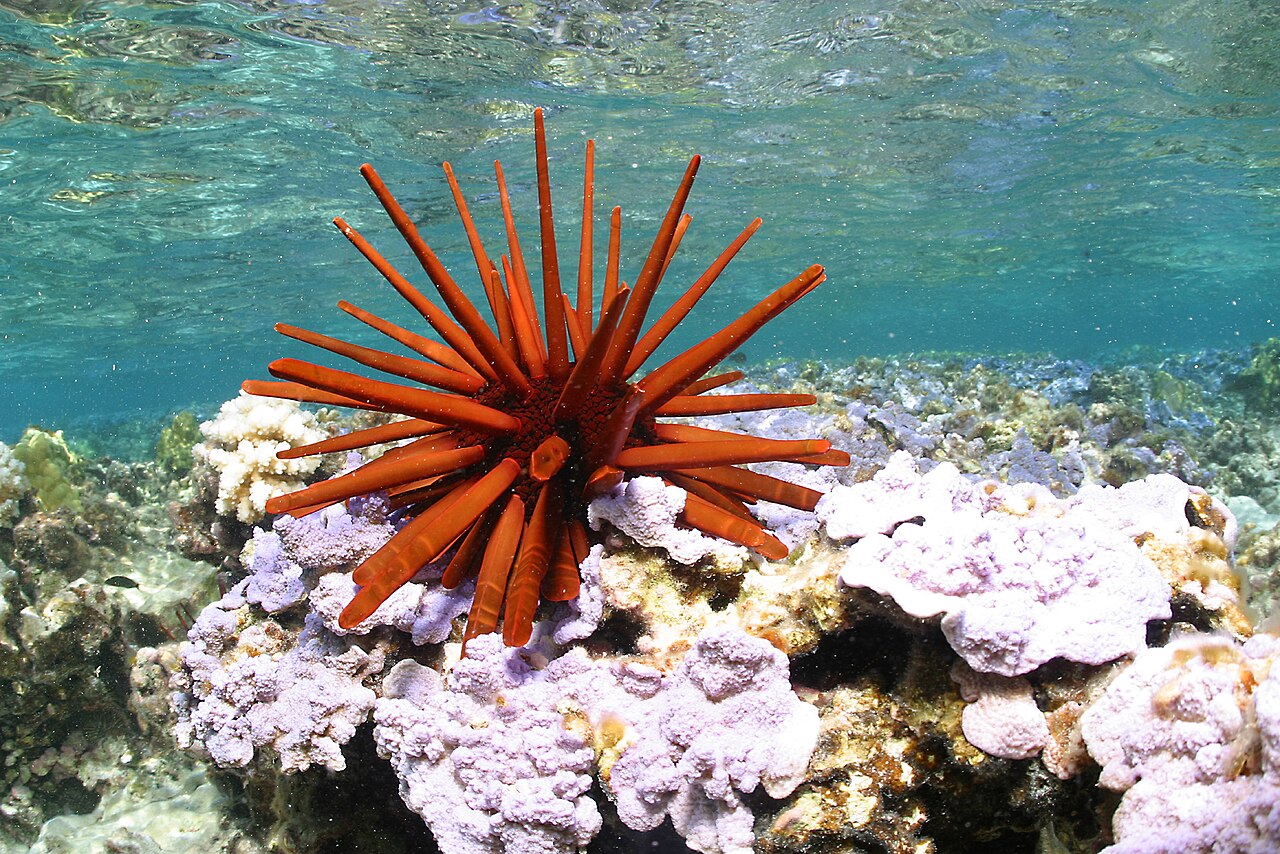
The monument encompasses ten islands and atolls and a wide sweep of ocean, from shallow lagoons and coral reefs to submerged banks and deep-sea habitats. Notable locations within the protected area include Midway Atoll, Kure and Laysan atolls, along with many remote islets and reef systems that together form an interconnected chain of habitats stretching across enormous ocean distances.
Biodiversity and cultural significance
Scientists estimate the area supports roughly 7,000 species, and about one quarter of those are believed to be endemic to the Hawaiian Islands. The region sustains large seabird colonies, nesting sea turtles, vibrant coral communities and critical habitat for the endangered Hawaiian monk seal. Papahānaumokuākea also contains archaeological sites and places of cultural importance to Native Hawaiians, and stewardship practices seek to incorporate traditional knowledge alongside scientific management.
History of protection
The area was designated a U.S. national monument on June 15, 2006, by President George W. Bush, and was later inscribed as a UNESCO World Heritage site on July 30, 2010. These designations recognize both outstanding natural values and the cultural landscape represented by the remote islands and surrounding waters.
Management, research and partnerships
Management is a cooperative arrangement involving federal and state agencies and Native Hawaiian organizations. The U.S. Fish and Wildlife Service, the National Oceanic and Atmospheric Administration and the State of Hawai‘i work with cultural practitioners to coordinate research, monitoring, permitting and enforcement. Detailed information on governance and management plans is available through official management sources.
Threats and conservation actions
Like many ocean places, Papahānaumokuākea faces threats from climate change, marine debris, invasive species and the wider impacts of global fisheries and pollution. Conservation actions include limits on commercial activity, targeted species protections, restoration projects and long-term scientific monitoring to track ecosystem health and resilience.
Visiting and education
Access to many areas of the monument is restricted to protect sensitive habitats and cultural sites. The monument serves as a living laboratory for marine science and a focus for education and outreach programs that highlight conservation, indigenous stewardship and the interconnectedness of ocean ecosystems. For context on biological terms used here, such as what it means for a species to be endemic, consult accessible reference materials and educational resources.
- Area: approximately 140,000 sq mi (360,000 km2).
- Components: ten islands and atolls, extensive reefs and deep-sea environments.
- Biodiversity: about 7,000 species with roughly 25% endemic.
- Designations: U.S. national monument (2006) and UNESCO World Heritage site (2010).
Questions and answers
Q: What is the Papahānaumokuākea Marine National Monument?
A: The Papahānaumokuākea Marine National Monument is a World Heritage site that covers 140,000 square miles of ocean waters and includes ten islands and atolls.
Q: What is another name for the Papahānaumokuākea Marine National Monument?
A: The Papahānaumokuākea Marine National Monument is often called the Northwestern Hawaiian Islands Marine National Monument.
Q: Who made Papahānaumokuākea a national monument?
A: U.S. President George W. Bush made the Papahānaumokuākea a national monument on June 15, 2006.
Q: When did Papahānaumokuākea become a World Heritage site?
A: Papahānaumokuākea became a World Heritage site on July 30, 2010.
Q: How large is Papahānaumokuākea in comparison to Greece?
A: Papahānaumokuākea is larger than the country of Greece.
Q: How many species does Papahānaumokuākea support?
A: Papahānaumokuākea supports 7,000 species.
Q: What percentage of the species in Papahānaumokuākea are endemic?
A: One quarter (25%) of the species in Papahānaumokuākea are endemic.
Related articles
Author
AlegsaOnline.com Papahānaumokuākea Marine National Monument Leandro Alegsa
URL: https://en.alegsaonline.com/art/74428