
Pack hunting: cooperative predation across animals
Pack hunting (social predation) is cooperative hunting by conspecifics. This article explains strategies, examples across taxa, evolutionary reasons, ecological roles, and distinctions from solitary predation.
Overview
Pack hunting, also called social predation, describes predators that capture prey through coordinated action by two or more members of the same species. Cooperation raises the chances of success when prey are large, fast or live in defended groups. Pack hunting is distinct from mere group living: it requires organized interactions and roles during pursuit, ambush or capture rather than incidental aggregation at a food source.
Image gallery
10 Images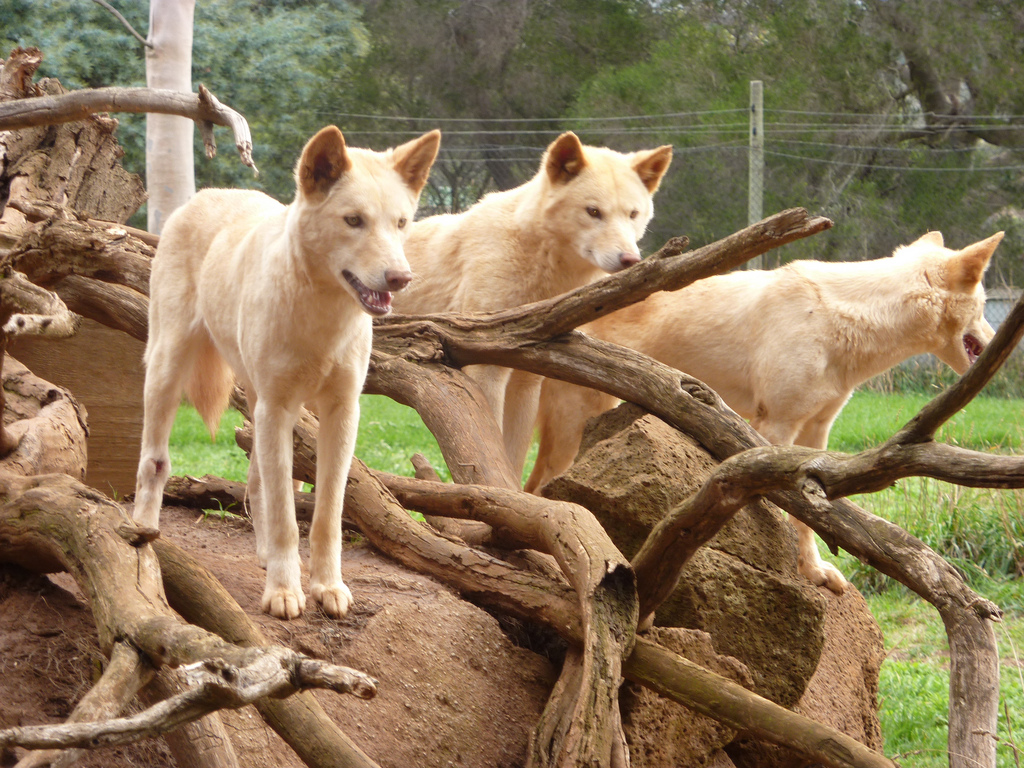




Characteristics and hunting strategies
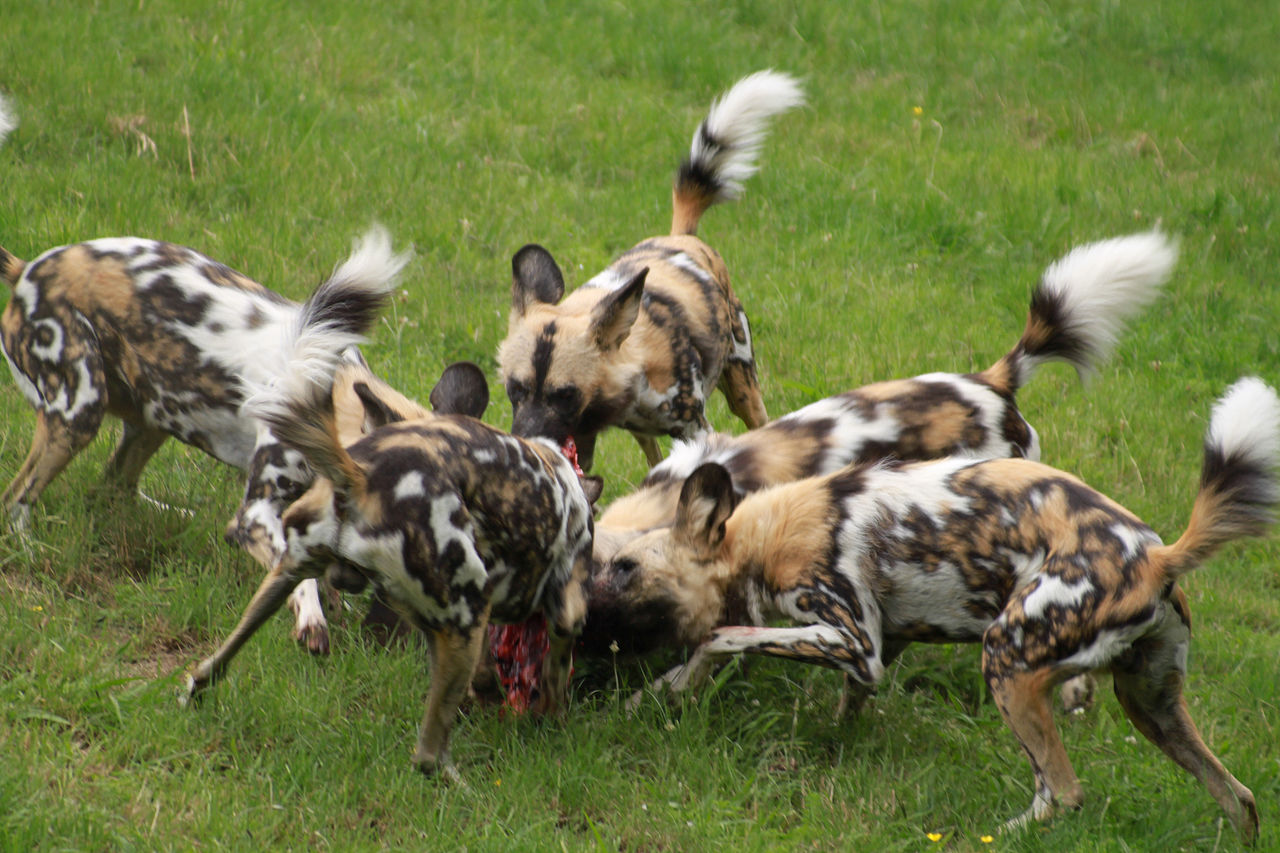
Groups that hunt cooperatively often show specialized behaviours such as flanking, herding, relay chases, ambush positioning and role differentiation (for example, drivers, blockers and chasers). Communication—visual, vocal or chemical—helps maintain spacing and timing. Social structure influences participation: in some stable family groups most members share in hunts, while in other species only particular age-sex classes or coalitions do the hunting. Benefits include access to larger prey, higher capture rates and more efficient handling; costs can include increased competition for the kill and greater disease transmission.
Taxonomic diversity and notable examples
- Wolves and other canids: well-known coordinated pack hunters that use endurance and teamwork to pursue and encircle ungulates.
- African lions that hunt in coalitions, often with cooperative female groups taking larger herbivores.
- Spotted hyenas, which combine individual strength with group tactics and complex social hierarchies.
- Dolphins and other cetaceans, using synchronized drives and reef herding to concentrate fish.
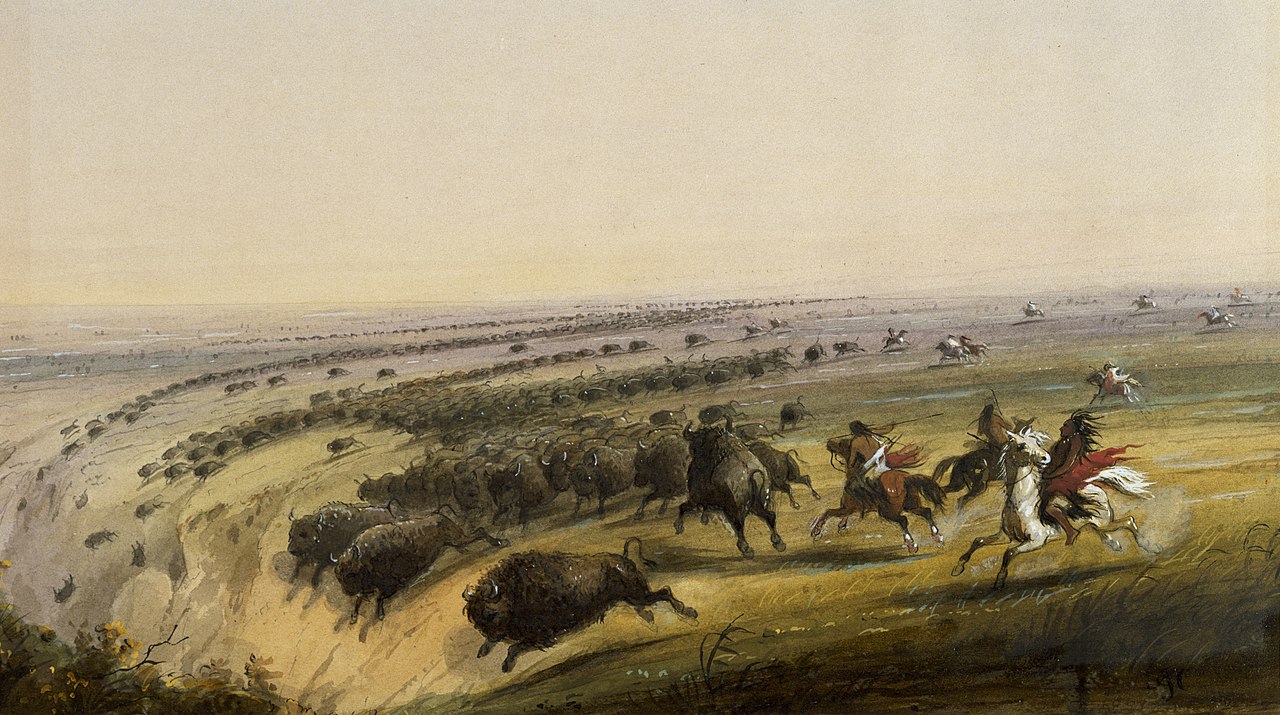
- Chimpanzees and, in many human societies, coalitional hunting by groups of individuals—sometimes dominated by males—illustrate primate examples of coordinated hunts.
- Harris's hawks and several other birds such as butcherbirds and kookaburras that hunt in small flocks, taking turns flushing or pursuing prey.
- Helmetshrikes and related passerines that show cooperative assault on insects or small vertebrates.
- Army ants and other arthropods that rely on massed raiding columns to overwhelm prey and scavengers.
- Yellow saddle goatfish and a few other fishes that coordinate when foraging over reefs, improving capture of hidden invertebrates.
- Crocodilians have occasional reports of coordinated striking or cooperative tissue tearing, though organized hunting in crocodiles is less typical than in mammals or birds.
Evolutionary and ecological importance
Cooperative hunting has evolved independently in many lineages when the ecological payoff outweighed the costs. It can allow predators to expand dietary niches, influence prey population structure and drive complex social behaviours such as alloparenting, alliance formation and territory defence. Kin selection and reciprocal benefits both contribute to the stability of hunting coalitions: relatives gain indirect fitness, while nonrelatives may benefit through future cooperation or access to food.
Distinctions and notable facts
Pack hunting should be distinguished from simple scavenging at communal kills or from group foraging where individuals hunt independently in proximity. Not all social species are pack hunters, and not all pack hunters hunt in permanent packs—some form temporary hunting parties. One of the striking advantages is that smaller predators, by working together, can take down prey much larger than any single member could handle, changing predator–prey dynamics within ecosystems.
Further reading and resources
Readers seeking introductions or detailed case studies can follow links to taxon-specific summaries and reviews: canid hunting, feline coalitions, hyena social behaviour, cetacean foraging, primate hunting, avian cooperative hunting, passerine group tactics, army ant raiding, cooperative reef foraging, and reports on crocodilian coordination.
Related articles
Author
AlegsaOnline.com Pack hunting: cooperative predation across animals Leandro Alegsa
URL: https://en.alegsaonline.com/art/73937