
Spotted hyena (Crocuta crocuta): ecology, behavior and human interactions
A comprehensive overview of the spotted hyena, covering its appearance, social systems, hunting and scavenging habits, reproduction, distribution, cultural roles and conservation concerns.
The spotted hyena (Crocuta crocuta) is a large, social carnivore native primarily to sub‑Saharan Africa. Recognisable by its spotted coat, robust build and distinctive vocal repertoire that includes the familiar "laughing" calls, the species combines powerful bone‑crushing jaws with stamina for long chases. Spotted hyenas are both effective hunters and efficient scavengers, occupying an important ecological role as predators and recyclers of carrion.
Image gallery
10 Images


Physical characteristics
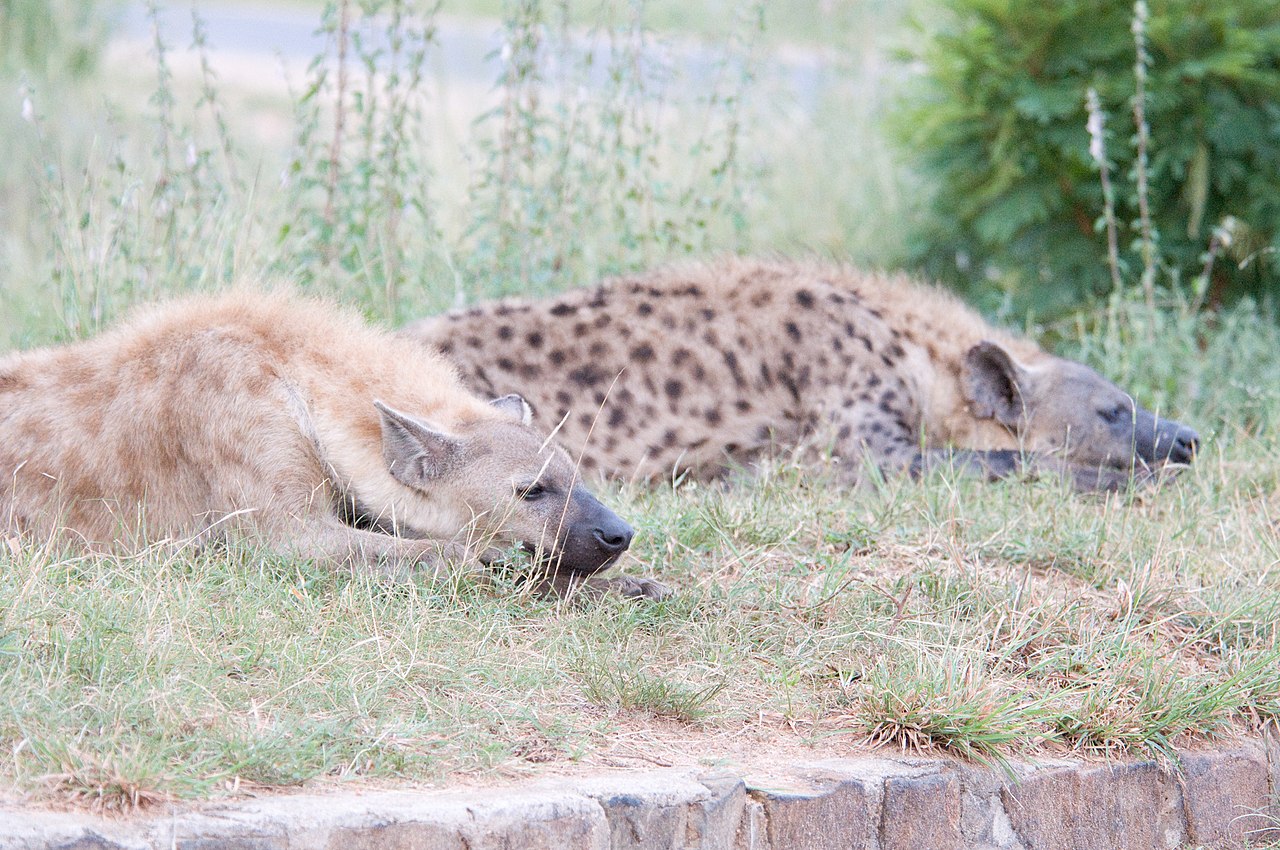
Spotted hyenas are the largest living members of the Hyaenidae family. Adults have strong forequarters, a sloping back, and teeth adapted to crush bone and consume tough tissues that many other predators leave behind. Coat colour varies from sandy to tawny with dark spots; cubs are born darker and develop spots with age. Females are typically larger and more muscular than males. A notable anatomical trait is the female's enlarged clitoral structure, which closely resembles the male penis and affects aspects of social signalling, mating and parturition.
Social organization and behaviour
Unlike many solitary carnivores, spotted hyenas live in complex social groups called clans, which can number from a few individuals to several dozen. Clans are matriarchal: females hold dominant positions, and social rank strongly influences access to food and mates. Interactions within clans combine cooperation and competition; foraging and hunting are often collective, while feeding order and reproductive opportunities reflect hierarchical relationships. Hyenas communicate through scent marking, body postures and a wide range of vocalisations.
Diet, hunting and ecological role
Spotted hyenas are versatile feeders. They hunt medium to large ungulates, sometimes pursuing prey in coordinated chases that rely on endurance rather than short bursts of speed. They are also adept scavengers: powerful jaws and specialized teeth let them consume skin, tendons and bone, returning nutrients to the ecosystem that might otherwise be wasted. Their dual role as hunters and scavengers helps regulate ungulate populations and accelerates nutrient cycling on savannas and open woodlands.
Reproduction and development
Breeding is seasonal in some populations, variable in others. Females give birth in secluded dens and rear cubs without male assistance; maternal care is a key factor in cub survival. Young hyenas learn hunting and social behaviour by observing and participating in clan activities. The unusual female genital morphology makes birthing more complex than in many other mammals and has been the subject of scientific study focused on hormonal, developmental and social influences.
Distribution, history and human interactions
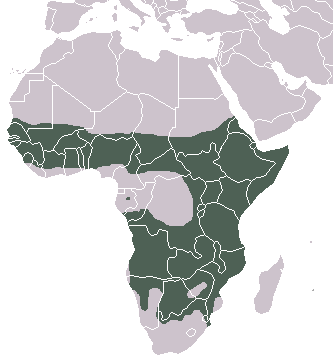
Today spotted hyenas are found across much of sub‑Saharan Africa in habitats ranging from savanna and grassland to semi‑arid regions. Fossil evidence shows relatives and ancestors occupied parts of Europe until the end of the Pleistocene. Human attitudes toward hyenas vary widely: they feature in African folklore with complex symbolism and have often been portrayed negatively in Western popular culture. Threats include habitat loss, persecution and reduced prey availability, and populations in some regions are declining.
Notable facts and further reading
- Taxonomy and classification: Crocuta crocuta
- British English spelling and usage: hyaena
- Range information: Sub‑Saharan distribution
- Population trends and estimates: population status
- Conservation threats: habitat loss and persecution
- Fossil record in Europe: Pleistocene presence
- Pleistocene context: Late Pleistocene extinctions
- Order Carnivora context: Carnivora family relations
- Hunting strategies: pack hunting and pursuit
- Parental care patterns: maternal investment
- Mammalian anatomy: reproductive morphology
- Clan terminology: clan social units
- Prey herds and hunting prey: ungulate interactions
- Archaeological depictions: Upper Paleolithic art
- Folklore and cultural views: cultural perceptions
- African traditional stories: folklore roles
For researchers and readers seeking deeper detail, follow the links above for taxonomy, behaviour, conservation assessments and cultural studies. The spotted hyena remains one of Africa's most adaptable large carnivores and a subject of ongoing ecological and behavioural research.
Questions and answers
Q: What is the scientific name of the spotted hyena?
A: The scientific name of the spotted hyena is Crocuta crocuta.
Q: How many individuals are there in the wild?
A: There are between 27,000 and 47,000 individuals in the wild.
Q: Why is their population getting smaller?
A: Their population is getting smaller due to habitat loss and illegal hunting.
Q: Are males interested in helping females with their cubs?
A: No, males are not interested in helping females with their cubs.
Q: How do spotted hyenas hunt?
A: Spotted hyenas hunt by running around herds of animals and choosing one to attack, then chasing them for a long time. They can run at speeds up to 60 km/h.
Q: What does Western culture think of spotted hyenas?
A: In Western culture, they are seen as greedy, stupid, foolish, powerful and a dangerous animal.
Q: How have humans known about spotted hyenas for a long time?
A: Humans have known about spotted hyenas since Upper Paleolithic times when humans made paintings of them in caves.
Author
AlegsaOnline.com Spotted hyena (Crocuta crocuta): ecology, behavior and human interactions Leandro Alegsa
URL: https://en.alegsaonline.com/art/92828
Sources
- courses.washington.edu : courses.washington.edu