
Ostrogoths: Origins, Kingdoms, and Legacy
A concise encyclopedia entry on the Ostrogoths: their origins, society, migration from the Baltic, kingdom in Italy under Theodoric, and historical legacy.
Overview
The Ostrogoths were the eastern branch of the Gothic peoples who played a major role in late antiquity and the early medieval period. They are commonly presented alongside their western counterparts, the Visigoths, as two principal Gothic groups. The term Ostrogoth identifies a political and cultural grouping that emerged during the decline of Roman authority in Europe and the movement of Germanic-speaking peoples across the continent.
Image gallery
10 Images





Origins and early movements
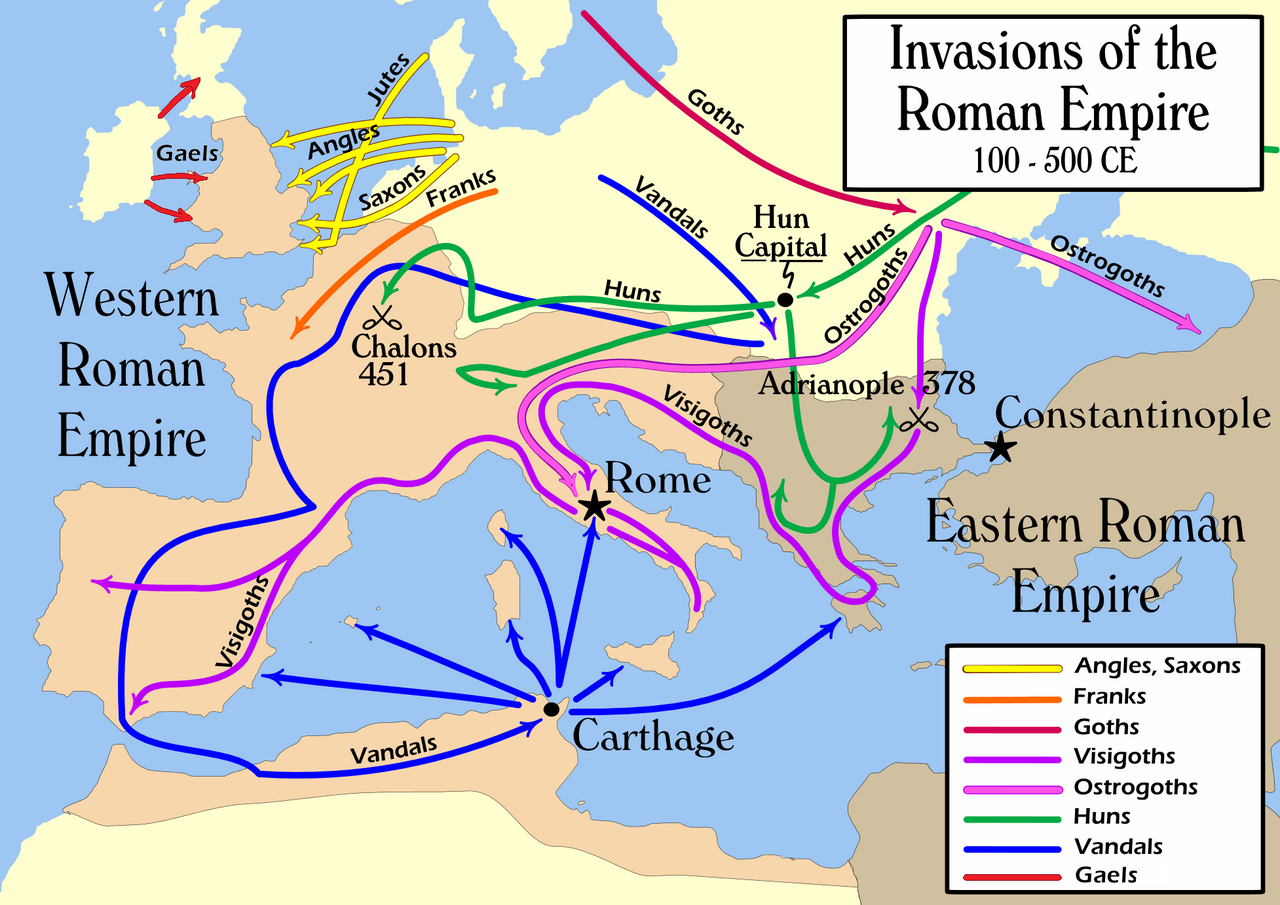
Scholars trace the Ostrogoths to the Greutungi, a branch of Goths that migrated south and west from regions near the Baltic Sea during the 3rd and 4th centuries. Over time these communities settled in territories that extended around the northern and western shores of the Black Sea. Their interactions with the Roman world included trade, diplomacy, military service, and occasional conflict with the Roman Empire.
Society, leadership, and culture
The Ostrogothic social structure combined aristocratic warrior elites with rural populations and federated groups. Kings and military leaders held authority but often depended on alliances with Roman officials or other barbarian rulers. A notable early ruler frequently associated with the peak of pre-migration Gothic power is Ermanaric, though later political identities changed as the Goths dispersed.
Kingdom in Italy and the late antique transformation
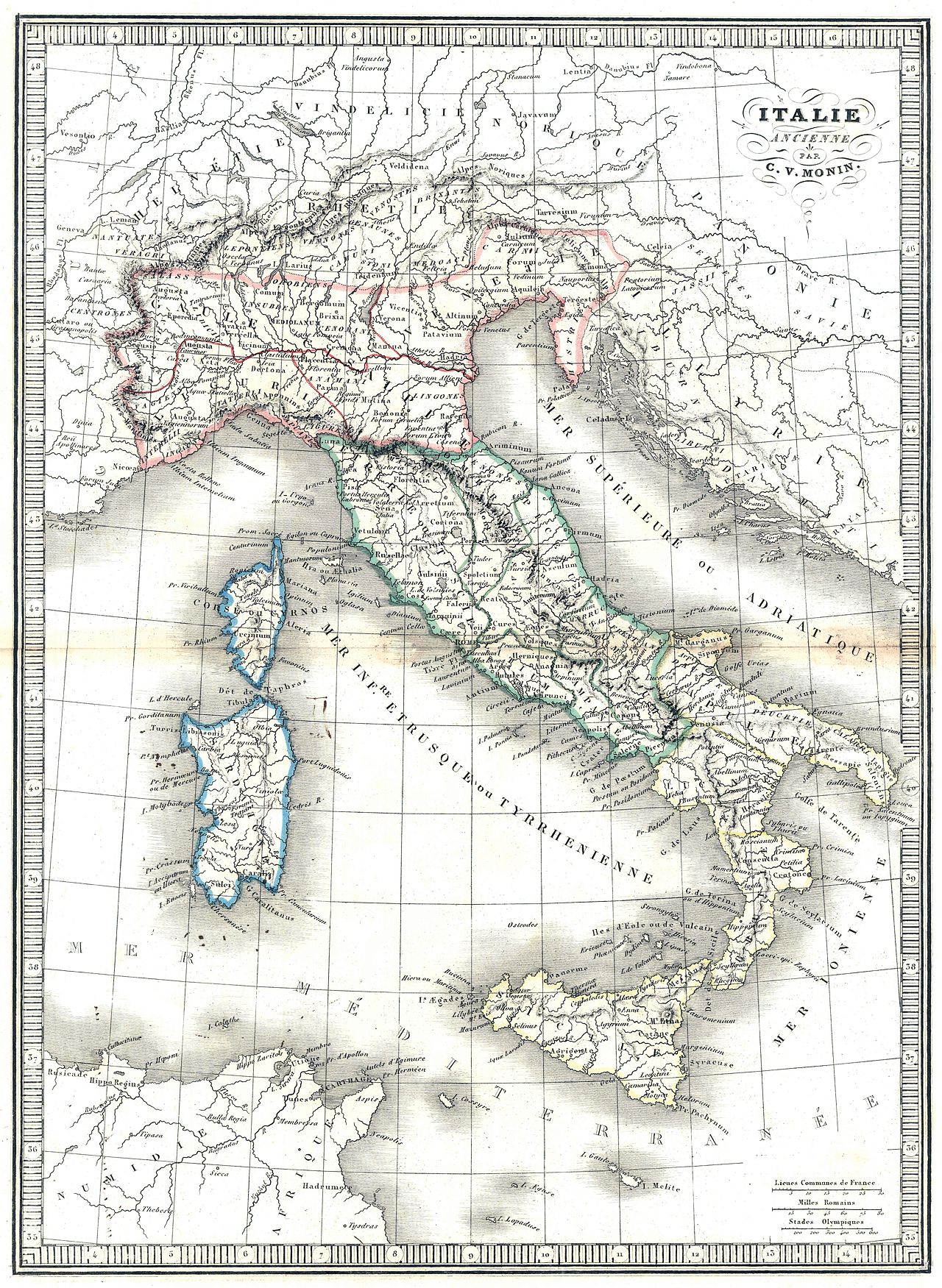
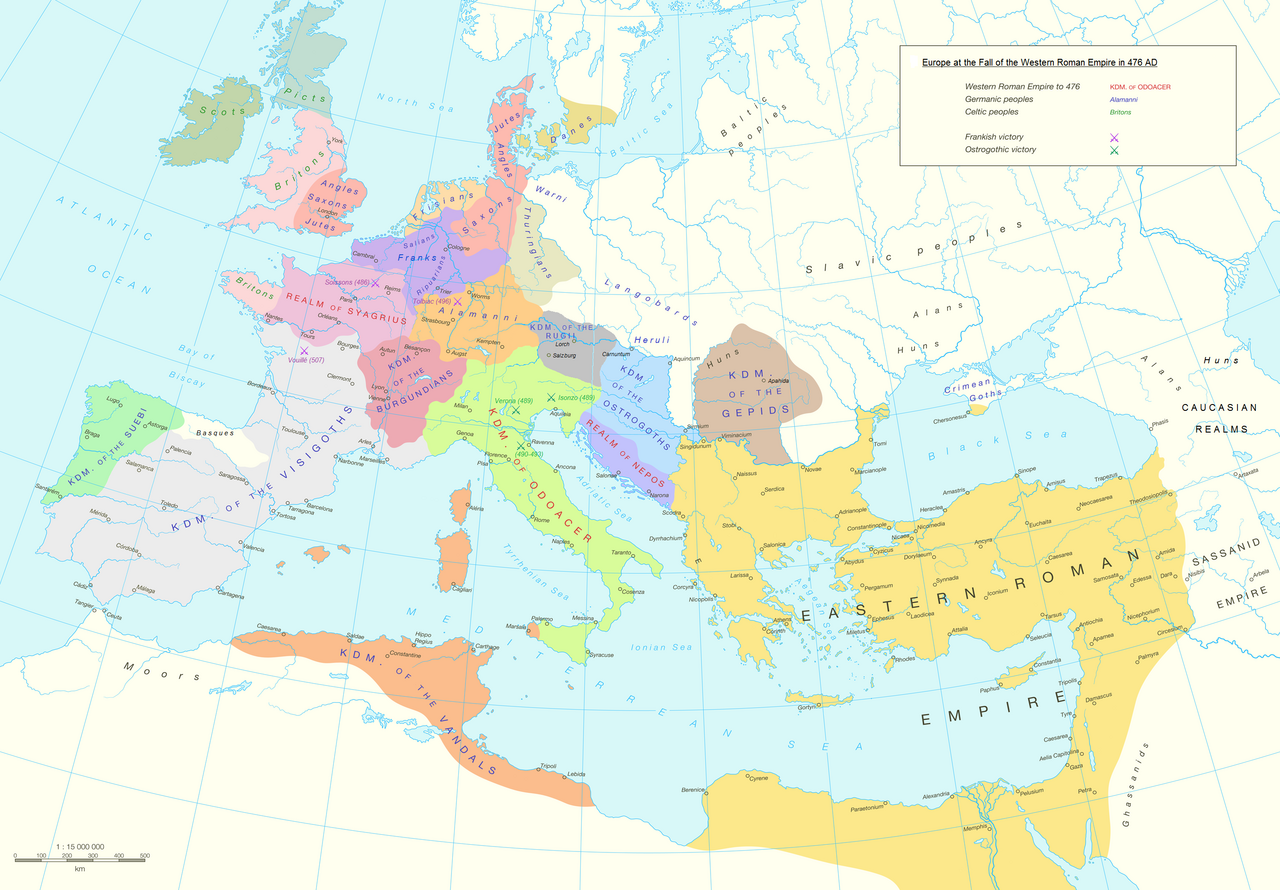
After the collapse of the Western Roman Empire, a large Ostrogothic polity established itself in the Italian peninsula. Under Theodoric the Great and his successors the Ostrogoths created a kingdom based in the administrative city of Ravenna and other Italian centers. This kingdom attempted to preserve much Roman administrative practice while placing Ostrogothic elites in military and political roles; it encompassed parts of northern Italy and beyond for several decades.
Legacy and historical significance
The Ostrogothic period is important for understanding the transition from Roman to medieval European institutions. Their rule in Italy preserved legal and cultural links to Roman civilization even as new Germanic traditions influenced governance. Artistic and architectural patronage in Ravenna, interactions with the Eastern Roman (Byzantine) state, and the blending of Roman and Gothic legal customs are notable outcomes.
Notable facts and timeline
- Origins: Greutungi Goths moving from the Baltic region (Baltic Sea).
- Trade and contact: Regular exchange with the Roman Empire along Black Sea and Danubian frontiers.
- Peak early power often linked to rulers such as Ermanaric.
- Formation of an Italian kingdom after the fall of the Western Roman Empire, centered at Ravenna and encompassing parts of northern Italy.
- Distinct from the Visigoths, who settled principally in the Iberian Peninsula and southern Gaul; both groups shared Gothic origins (Goths).
The Ostrogoths thus represent a bridge between the classical Roman world and the emerging medieval kingdoms of Europe. Their history illustrates migration, cultural adaptation, and the complex interplay between conquerors and the institutions they inherited.
Related articles
Author
AlegsaOnline.com Ostrogoths: Origins, Kingdoms, and Legacy Leandro Alegsa
URL: https://en.alegsaonline.com/art/73455