
Goths: an East Germanic people — origins, history, and legacy
Overview of the Goths: their origins, language, migrations, division into Visigoths and Ostrogoths, interactions with Rome, culture, religion, and historical legacy.
Overview
The Goths were an East Germanic people who played a major role in the history of late antiquity and the early Middle Ages. They are primarily known from contemporary accounts and later summaries, most notably the sixth‑century work Getica ascribed to Jordanes, which draws on earlier now‑lost writings. The term "Goth" is also used in modern contexts to describe a contemporary subculture, but in historical usage it denotes this tribal grouping and its successor kingdoms. Goth subculture and the historical Goths are distinct.

Image gallery
10 Images




Language and material culture
The Goths spoke an East Germanic language commonly called Gothic, known from a limited corpus of texts and inscriptions. Gothic language survives most noticeably in a translation of parts of the Bible and in a few legal and funerary inscriptions. Archaeological finds associated with Gothic groups include distinctive styles of metalwork, weaponry and grave goods that help scholars trace movements and contacts across Europe.

Origins and migrations
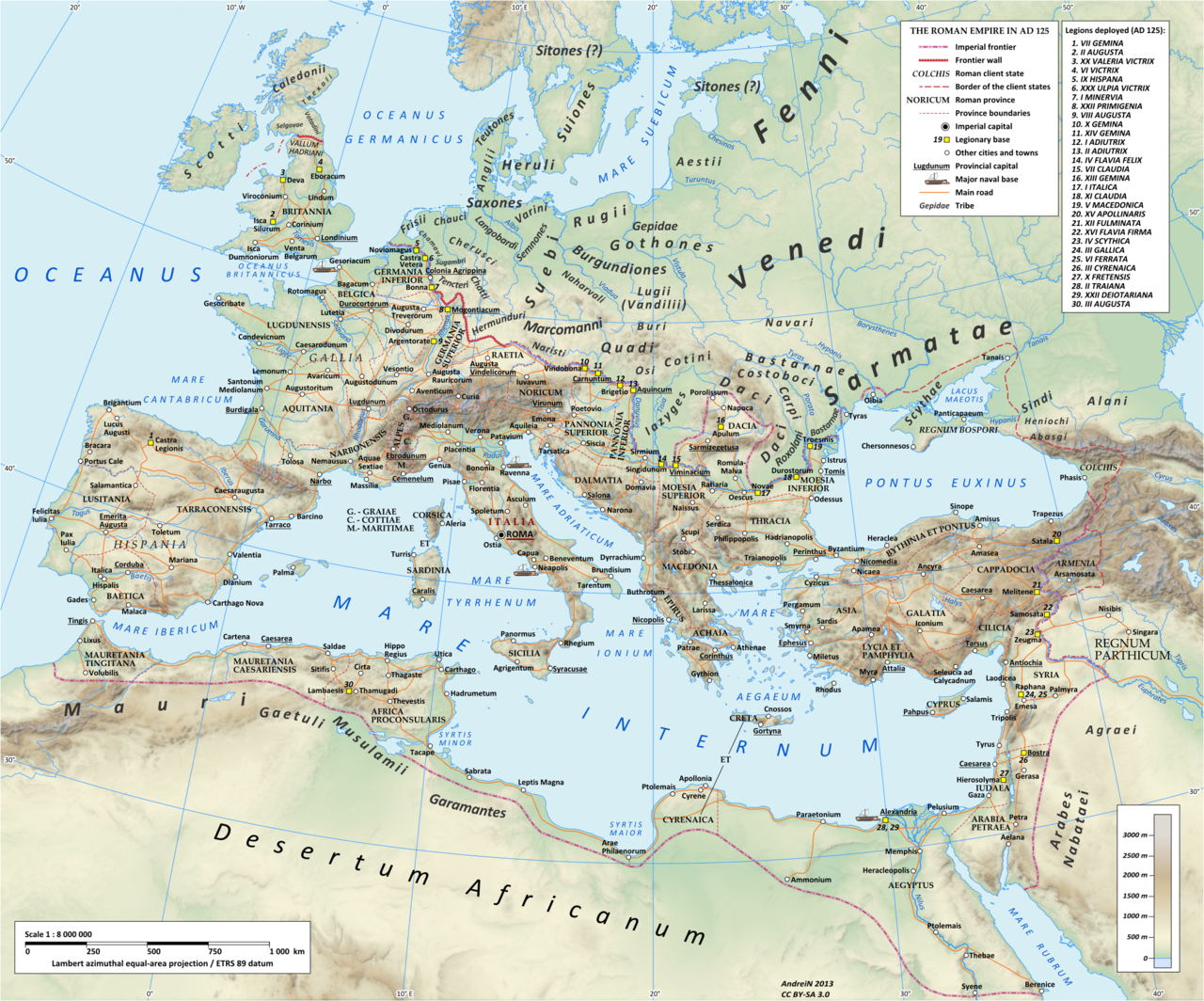
According to late antique tradition summarized by Jordanes, the Goths were originally located in the Baltic and northern lands and moved southward over several centuries. These sources describe a migration from regions associated with Scandinavia and the island of Gotland, to areas near the mouth of the Vistula and into central and eastern Europe. From there Gothic groups expanded into territories often identified as Scythia, Dacia and parts of Moesia and Anatolia, bringing them into sustained contact with the Roman Empire.

Division and kingdoms
By the fourth and fifth centuries the Goths had formed distinct political groupings. Two principal branches emerged: the Visigoths and the Ostrogoths. The Visigoths became prominent in the western provinces and established a kingdom that included parts of Gaul and later Hispania, centered on territories corresponding to modern Spain and Portugal. The Ostrogoths established a kingdom in Italy under rulers such as Theoderic the Great and other leaders. These kingdoms were among the most important of the so‑called successor states to the Roman Empire. Visigoths and Ostrogoths are the common names used by historians.

Religion and relations with Rome
During the fourth century many Gothic groups converted to forms of Christianity that differed from the theology of the Roman church; in particular, Arian Christianity became influential among some Gothic leaders and communities. This religious difference coexisted with complex political relations with Rome: Goths served as federates, fought as enemies, and sometimes ruled former imperial territories. Notable events include the sack of Rome by a Gothic army and several treaties and conflicts with imperial authorities. Arianism and shifting alliances shaped much of Gothic–Roman interaction.

Legacy and significance
The Gothic legacy is visible in a number of ways: the short‑lived Gothic kingdoms influenced legal practices, administration and art in early medieval Europe; the Gothic language provides insight into the early Germanic linguistic family; and archaeological traces illuminate migration and cultural exchange. Claims about widespread "Gothic blood" in modern populations should be treated cautiously: genetic and cultural influences are complex and cannot be reduced to simple lineages. For primary sources and further reading see accounts attributed to Jordanes and references to sixth‑century context (6th century) and the work titled Getica. Additional geographic and historical context may be found by following links to regions and topics associated with Gothic history: Poland, Italy, and the wider Mediterranean world.

- Key places: Gotland, Vistula, Dacia.
- Principal groups: Visigoths, Ostrogoths.
- Important topics: Gothic language, Arianism, relations with the Roman Empire.
- Further context: see entries on modern Goth culture and regional histories of Spain, Portugal, and Italy.
Related articles
Author
AlegsaOnline.com Goths: an East Germanic people — origins, history, and legacy Leandro Alegsa
URL: https://en.alegsaonline.com/art/39878