
The Most Exalted Order of the Star of India
A British order of chivalry established in 1861 for service in India; its classes, insignia, history, and later dormancy after Indian independence.
The Most Exalted Order of the Star of India was a British order of chivalry established by Queen Victoria in 1861 to recognize service to the Crown in India. It was created as a means to bind Indian princely rulers, senior British administrators, and distinguished officers to imperial institutions by honour and ceremony. The order occupied the highest place among honours specifically associated with British India and had an emblem known widely as the "Star of India"; that emblem also featured on the flag of the Viceroy of India.
Image gallery
10 Images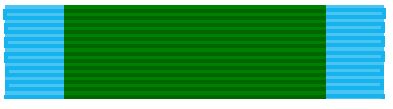
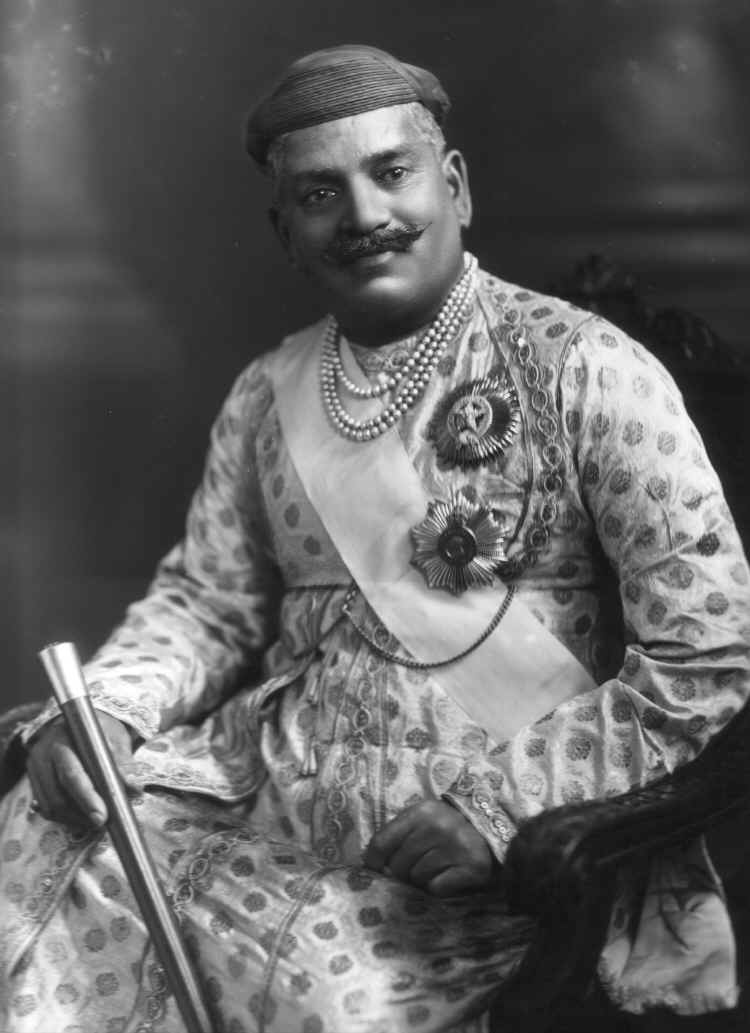


Classes and insignia
The order comprised three grades with distinct postnominal letters and insignia. These were:
- Knight Grand Commander (GCSI) — the highest civil and military grade, worn with an elaborate star and sash.
- Knight Commander (KCSI) — a mid-level grade, with a breast star and a badge on a neck ribbon.
- Companion (CSI) — the entry grade, carrying a badge worn on the chest or from a ribbon.
The Order's motto was "Heaven's light our guide". Typical insignia combined a radiating star motif with enamelled medallions and the motto; gold, silver and enamel work were used to denote rank and formality in full-dress insignia.
History and development
Instituted after the 1857–58 transfer of authority from the East India Company to the British Crown, the Order was intended to reflect the changed constitutional relationship between Britain and the territories of India. It complemented other imperial honours and was frequently conferred on Indian princes, British governors-general and other senior officials as a visible symbol of imperial favour. Over time the Order became part of the broader system of British chivalric ranks and was referenced in the order of precedence for honours.
Later status and dormancy
No appointments were made after the Partition of India in 1947, when British sovereignty in the subcontinent ended and new independent governments were formed. With Indian independence the practical basis for further awards ceased, and the order effectively became dormant. The last surviving person known to hold a knightly grade of the Order died in 2009, after which there have been no new appointments.
Significance and distinctions
The Order of the Star of India was the senior chivalric order associated with the British Indian Empire; its junior counterpart was The Most Eminent Order of the Indian Empire, and for women there was the Imperial Order of the Crown of India. In the wider hierarchy of British honours it ranked after some of the most ancient and prestigious British orders, including the Order of the Garter, the Order of the Thistle and certain other great orders, while retaining special prominence within the context of imperial India. Institutional records, surviving insignia in museums, and regimental and princely memorabilia preserve the Order's visual and ceremonial legacy.
Additional resources
For further reading on the foundation and statutes of the Order see the original instruments and commentary at founding documents. Context about the end of British rule in 1947 and the consequences for imperial institutions is discussed at accounts of the Partition of India. Broader studies of the imperial honours system and the political role of princely states reference the Empire of India and companion orders such as the Order of the Indian Empire. Comparative material on British chivalric precedence is available with links to other major orders like the Order of the Bath.
Questions and answers
Q: What is the Order of the Star of India?
A: The Order of the Star of India is an order of chivalry founded by Queen Victoria in 1861.
Q: How many classes does the Order of the Star of India have?
A: The Order of the Star of India includes members of three classes: Knight Grand Commander (GCSI), Knight Commander (KCSI), and Companion (CSI).
Q: When was the last appointment made to the Order of the Star of India?
A: No appointments have been made since the Partition of India in 1947.
Q: Who was the last living knight of the Order of the Star of India?
A: The Maharaja of Alwar was the last living knight of the Order of the Star of India, and he died in 2009.
Q: What is the motto of the Order of the Star of India?
A: The motto of the Order of the Star of India is "Heaven's light our guide".
Q: What is the emblem of the Order of the Star of India?
A: The emblem of the Order of the Star of India is the "Star of India", which also appeared on the flag of the Viceroy of India.
Q: What is the senior order of chivalry of the Empire of India and what are the junior orders?
A: The Order of the Star of India is the senior order of chivalry of the Empire of India, while the junior orders are The Most Eminent Order of the Indian Empire and the Imperial Order of the Crown of India (women only).
Related articles
Author
AlegsaOnline.com The Most Exalted Order of the Star of India Leandro Alegsa
URL: https://en.alegsaonline.com/art/73025
Sources
- 4dw.net : "Dreamwater Free Web Space"
- thegazette.co.uk : "No. 32178"
- london-gazette.co.uk : founding the Order of the Star of India, on June 25, 1861
- commons.wikimedia.org : Order of the Star of India
- direct.gov.uk : Order of Wear