
Most Eminent Order of the Indian Empire
A British order of chivalry established in 1878 by Queen Victoria to recognise service in India; appointments ceased after 1947 and the order is now dormant.
Overview
The Most Eminent Order of the Indian Empire was a British order of chivalry instituted in 1878 by Queen Victoria to recognise service in the administration and wider affairs of British India. It formed part of the imperial honours system created to reward political officers, civil servants, Indian princes and others whose work was linked to the governance and interests of the British Raj. The order sat below the older Order of the Star of India in precedence and used its own insignia, ranks and ceremonial traditions.
Image gallery
10 Images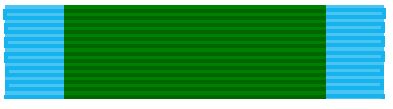
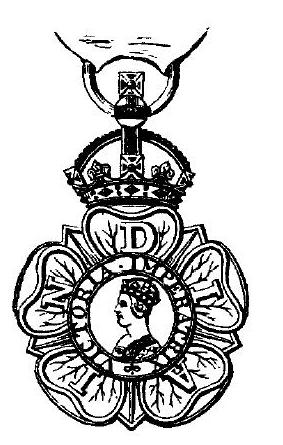


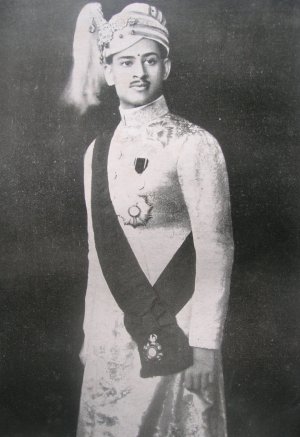
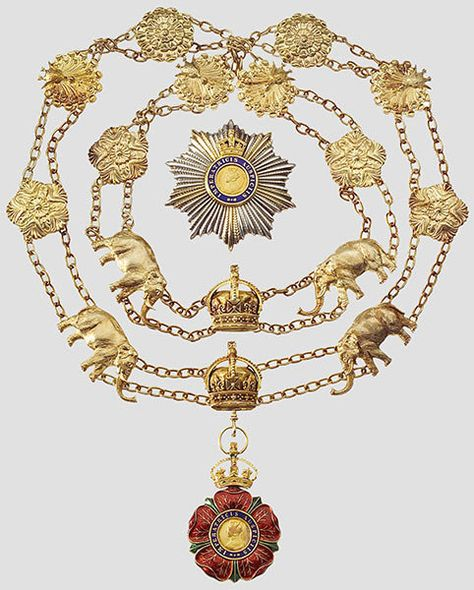


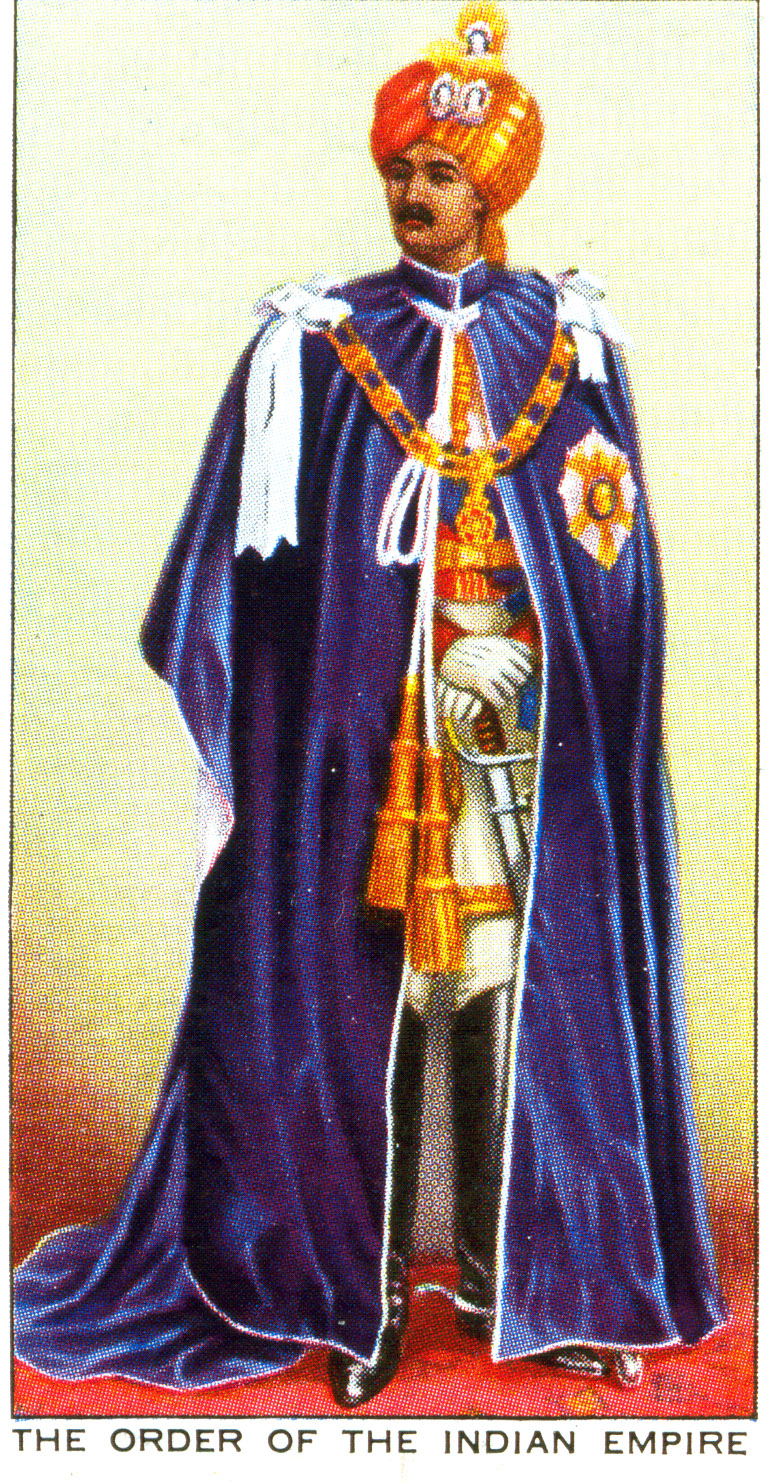
Structure and insignia
The Order was organised in three classes, whose holders used post-nominal letters and had defined precedence in state ceremonies:
- Knight Grand Commander (GCIE)
- Knight Commander (KCIE)
- Companion (CIE)
Insignia typically varied with rank and could include badges, stars and sashes or ribbons. Recipients were entitled to wear their distinguishing emblems at formal occasions and to use the appropriate post-nominal letters. The order's motto was Imperatricis auspiciis, meaning "Under the auspices of the Empress," a reference to Queen Victoria as Empress of India.
History and development
The creation of the Indian Empire order reflected the late 19th-century practice of extending Britain’s honours system to colonial domains, creating separate but connected orders for India and other parts of the empire. It complemented the earlier Order of the Star of India and provided a wider pool of recognition for those serving in diverse capacities across the subcontinent. Appointments to the Order continued through the first half of the 20th century while India remained under British rule.
End of appointments and current status
No appointments have been made to the Order since 1947, the year of Indian independence and the Partition of India, when the constitutional relationship that underpinned these imperial honours came to an end. After independence the Order became dormant rather than formally abolished. The last surviving knight associated with the Order, the Maharaja of Dhrangadhra, died in 2010, leaving the Order with no living members appointed under its knightly grades.
Uses and significance
During its active years the Order served several purposes: it was an instrument of patronage, a means of recognising loyalty and service, and a symbol of imperial connection for Indian rulers and officials who accepted British honours. For many recipients the decorations were marks of prestige and provided status within both British and local social hierarchies. The Order also figures in the study of colonial governance, ceremonial culture and the ways in which Britain formalised relationships with princely states and colonial administrators.
Distinctions and related honours
The Order of the Indian Empire is often discussed alongside the senior Order of the Star of India. While the Star of India was reserved for higher-ranking figures and earlier recipients, the Indian Empire order had a broader remit and a larger membership over time. For historical context on the foundation and chivalric framework see sources about the honours system and the imperial period: founding and statutes, the constitutional changes around Partition and independence, and biographical or heraldic accounts of recipients linked to Queen Victoria's Imperial titles and the broader British honours framework.
Research into the Order today typically appears in works on British India, studies of colonial ceremonial, and compilations of honours and peerage. For further reading and primary source collections consult reference materials and repositories that specialise in British imperial history and heraldry.
Questions and answers
Q: What is the Most Eminent Order of the Indian Empire?
A: The Most Eminent Order of the Indian Empire is an order of chivalry founded by Queen Victoria in 1878.
Q: What are the three classes of the Order?
A: The Order includes members of three classes: Knight Grand Commander (GCIE), Knight Commander (KCIE), and Companion (CIE).
Q: Has any appointment been made to the Order since 1947?
A: No appointments have been made to the Order since 1947, the year of Indian independence and the Partition of India.
Q: When did the last surviving knight of the Order die?
A: The last surviving knight of the Order, The Maharaja of Dhrangadhra, died in 2010.
Q: What happened to the Order after the last surviving knight died?
A: The Order became dormant after the last surviving knight died in 2010.
Q: What is the motto of the Order?
A: The motto of the Order is Imperatricis auspiciis, which means "Under the auspices of the Empress" and is a reference to Queen Victoria, the first Empress of India.
Q: Which is the senior British order of chivalry associated with the Empire of India?
A: The senior British order of chivalry associated with the Empire of India is The Most Exalted Order of the Star of India.
Related articles
Author
AlegsaOnline.com Most Eminent Order of the Indian Empire Leandro Alegsa
URL: https://en.alegsaonline.com/art/73021
Sources
- telegraph.co.uk : Obituary of The Maharaja of Dhrangadhra-Halvad
- debretts.com : Debrett's website Orders Associated with the Indian Empire
- pap.gov.pk : pap.gov.pk/
- india-forums.com : "Meghrajsinh Jhala, progressive ruler of former princely state, dead - 266793"
- 4dw.net : 4dw.net/royalark
- london-gazette.co.uk : The 1887 reformation of the Order
- london-gazette.co.uk : The 1888 reformation of the Order
- direct.gov.uk : Order of Wear