
Most Noble Order of the Garter
The Most Noble Order of the Garter is the United Kingdom's oldest and highest order of chivalry, founded in the 14th century. It honours distinguished service and retains historic ceremonies at St George's Chapel, Windsor.
Overview
The Most Noble Order of the Garter is the senior order of chivalry in England and, later, the United Kingdom. Founded in the 14th century, it is regarded as the oldest established order of knighthood still in existence. The order recognises individuals who have rendered exceptional public service and is closely associated with the monarchy, medieval chivalric ideals and the shrine of St George.
Image gallery
5 Images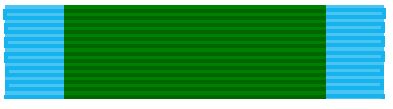




Composition and membership
Membership is small and selective. The sovereign of the order appoints members, who traditionally include the monarch plus a limited number of companion members and a small group of extra, or supernumerary, members drawn from royalty and foreign monarchs. Members are appointed personally by the sovereign as a mark of high honour. The order distinguishes between male and female companions, who use the post-nominal letters KG (Knight Companion) and LG (Lady Companion) respectively. Male knights who are companions normally use the title "Sir" and their wives may use "Lady" before their surname; women appointed as Ladies Companion use the title "Lady" before their given name.
Insignia, stalls and ceremonial life
Insignia and ritual remain central to the Order's identity. The badge most commonly associated with the order is a dark blue garter bearing the motto Honi soit qui mal y pense, usually shown with a gilt star and a collar. Members have specific robes and hats for formal occasions and occupy individual stalls in the chapel assigned to them; each stall bears a banner and stall plate that records the member's arms and name. The order's principal ceremonial observance is an annual service and processional known as Garter Day, traditionally held at St George's Chapel in Windsor. These rites emphasise continuity with medieval ceremonial and public pageantry.
History and legends
The Order was established in the late 1340s by King Edward III as a society of knights inspired by chivalric ideals and a desire to strengthen royal prestige. Over the centuries its membership and regalia evolved while retaining medieval symbolism. A popular anecdote about its origin relates an episode in a courtly setting involving a dropped garter and the utterance of the motto; this story is part legend and used to explain the emblem, though historians view such tales as illustrative rather than documentary. The order's long history is reflected in its continuous use of St George as patron and in the preservation of heraldic memorials within the chapel.
Significance and distinctions
The Order of the Garter is considered the highest order of chivalry available from the British sovereign and occupies a unique place in ceremonial precedence and national symbolism. It differs from modern civic honours in its combination of personal royal appointment, medieval pageantry and limited membership. Extra members, often drawn from the royal family or foreign reigning monarchs, are admitted as supernumerary companions and do not count against the fixed number of companion slots.
Further reading and references
- order of chivalry — context for medieval knighthood and orders
- Edward III — founder associated with the order's creation
- knighthood — ranks and traditions within the honour system
- English monarch — role of the sovereign in appointments
- national order of knighthood — status among comparable institutions
- United Kingdom — modern nation where the order functions
- King and Queen — sovereigns who serve as head of the order
- other countries — source of supernumerary royal members and foreign knights
Related articles
Author
AlegsaOnline.com Most Noble Order of the Garter Leandro Alegsa
URL: https://en.alegsaonline.com/art/73020
Sources
- royal.gov.uk : "Order of the Garter"
- parliament.uk : "Honours Standard Note: SN/PC/2832" · web.archive.org
- stgeorges-windsor.org : "College of St George – Windsor Castle – Orders of Chivalry"
- direct.gov.uk : Order of Wear
- wikidata.org : wikidata.org/wiki/Q215248
- catalogo.bne.es : XX5126617
- catalogue.bnf.fr : cb119736925
- data.bnf.fr : (data)
- d-nb.info : 4199211-8
- id.loc.gov : n50003915
- nla.gov.au : 54957411
- libris.kb.se : 280433
- idref.fr : 02776415X
- viaf.org : 168089114