
Onagraceae — the Evening-Primrose and Willowherb Family
Onagraceae is a family of flowering plants (order Myrtales) that includes evening-primroses, willowherbs, fuchsias and water-primroses. Characteristic features include mostly four-part flowers and an inferior ovary.
Overview
The Onagraceae are a family of flowering plants in the order Myrtales. Commonly called the evening-primrose or willowherb family, it contains roughly two dozen genera and several hundred species, concentrated especially in temperate regions of the Americas but with representatives worldwide. Familiar garden and wild plants such as fuchsias, willowherbs and evening-primroses belong to this group.
Image gallery
10 Images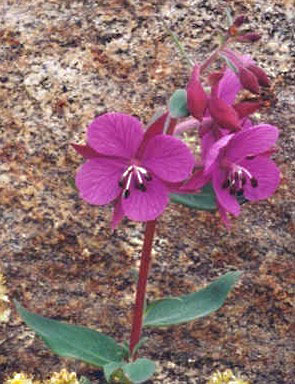

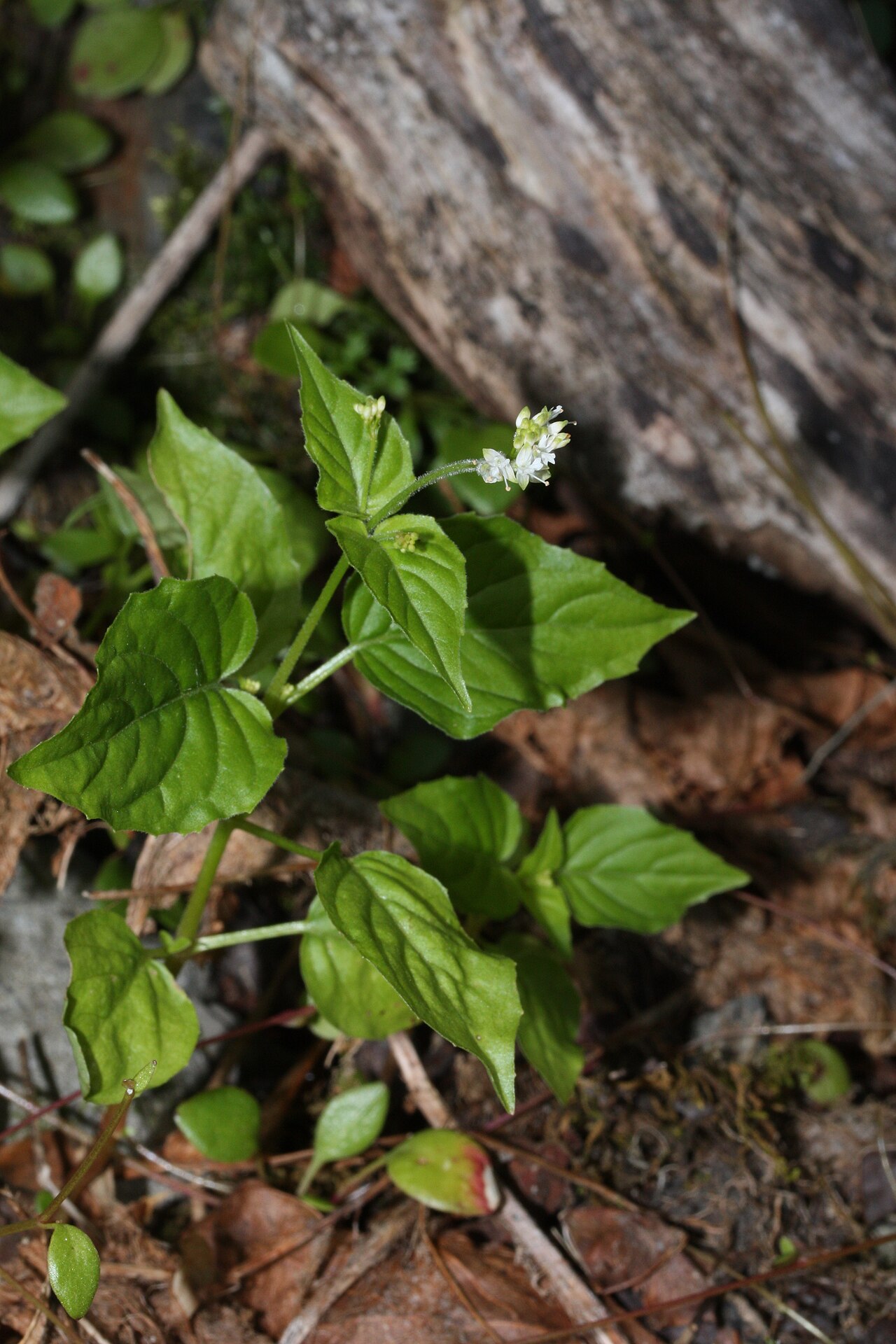


Key characteristics
Members of this family are usually herbs, shrubs or small trees. Leaves are simple and can be arranged alternately or oppositely. Flowers are notable for their tendency toward four-part symmetry: most species have four sepals, four petals and usually four or eight stamens, although exceptions occur. Many technical treatments summarize this pattern under floral descriptions such as those for sepals, petals and stamens. A distinctive structural feature is an inferior ovary, meaning the ovary sits below the point where the floral parts attach. Fruit types vary by genus and include dry dehiscent capsules and fleshy berries.
Genera and examples
Several genera in Onagraceae are well known for horticulture, ecology or science. Representative genera include:
- Oenothera — evening-primroses, important historically in genetics and used as a source of seed oil.
- Epilobium (including willowherbs and fireweeds) — often pioneer species in disturbed soils.
- Fuchsia — popular ornamentals with pendulous flowers attractive to hummingbirds.
- Ludwigia — water-primroses, common in wetlands and aquatic habitats.
- Clarkia and related genera — showy annuals native to western North America.
History, taxonomy and research importance
The family has long been recognized in classical botanical systems and remains a distinct lineage within the Myrtales. Several Onagraceae members have played outsized roles in botanical and genetic research: for example, Oenothera species figured in early studies of mutation and heredity. Taxonomists continue to refine relationships among genera using morphology and molecular data; some groups have been split or redefined as new evidence accumulates.
Ecology, uses and notable facts
Onagraceae species occupy diverse habitats, from dry meadows to marshes. Pollination strategies vary widely and include moth and bee pollination in evening-primroses, and bird pollination in many fuchsias. Several species have economic or cultural importance: fuchsias are globally valued ornamentals; seeds of some Oenothera are processed for oil rich in fatty acids and are sold as dietary supplements. Ecologically, genera such as Ludwigia can shape wetland communities and, in some regions, act as invasive weeds.
Identification tips and further reading
To recognize Onagraceae in the field look for mostly four-part flowers combined with an inferior ovary and a simple-leaved plant habit. Because exceptions exist, identification often depends on a combination of floral and fruit characters plus geographic context. For concise summaries and keys consult a regional flora or online treatments; see a general family overview at Onagraceae resources and morphology guides at petal and sepal descriptions and stamen treatments for more technical detail.
Related articles
Author
AlegsaOnline.com Onagraceae — the Evening-Primrose and Willowherb Family Leandro Alegsa
URL: https://en.alegsaonline.com/art/72539