
Orchard: cultivation and uses of fruit- and nut-bearing trees
An orchard is a planned planting of trees or shrubs cultivated for fruit, nuts or other edible produce. This article outlines types, history, management, uses, and distinctions of orchards.
Overview
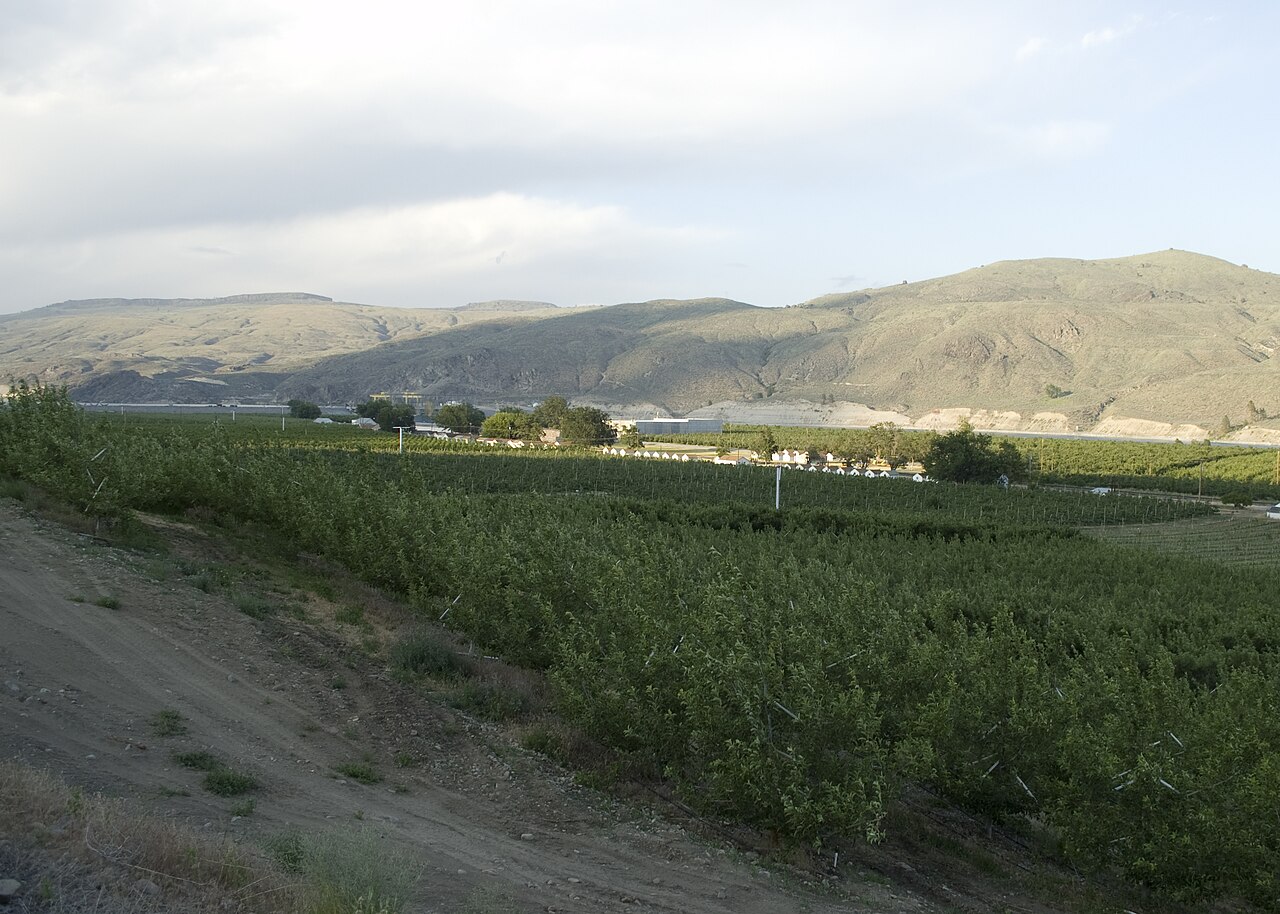
An orchard is a deliberate planting of trees or shrubs grown primarily to produce food such as fruit, nuts and sometimes edible flowers or leaves. Orchards range from small family plots and community gardens to large commercial plantings. They are managed to optimize yield, quality and accessibility while often contributing to the landscape and local ecology.
Image gallery
10 Images





Characteristics and common types
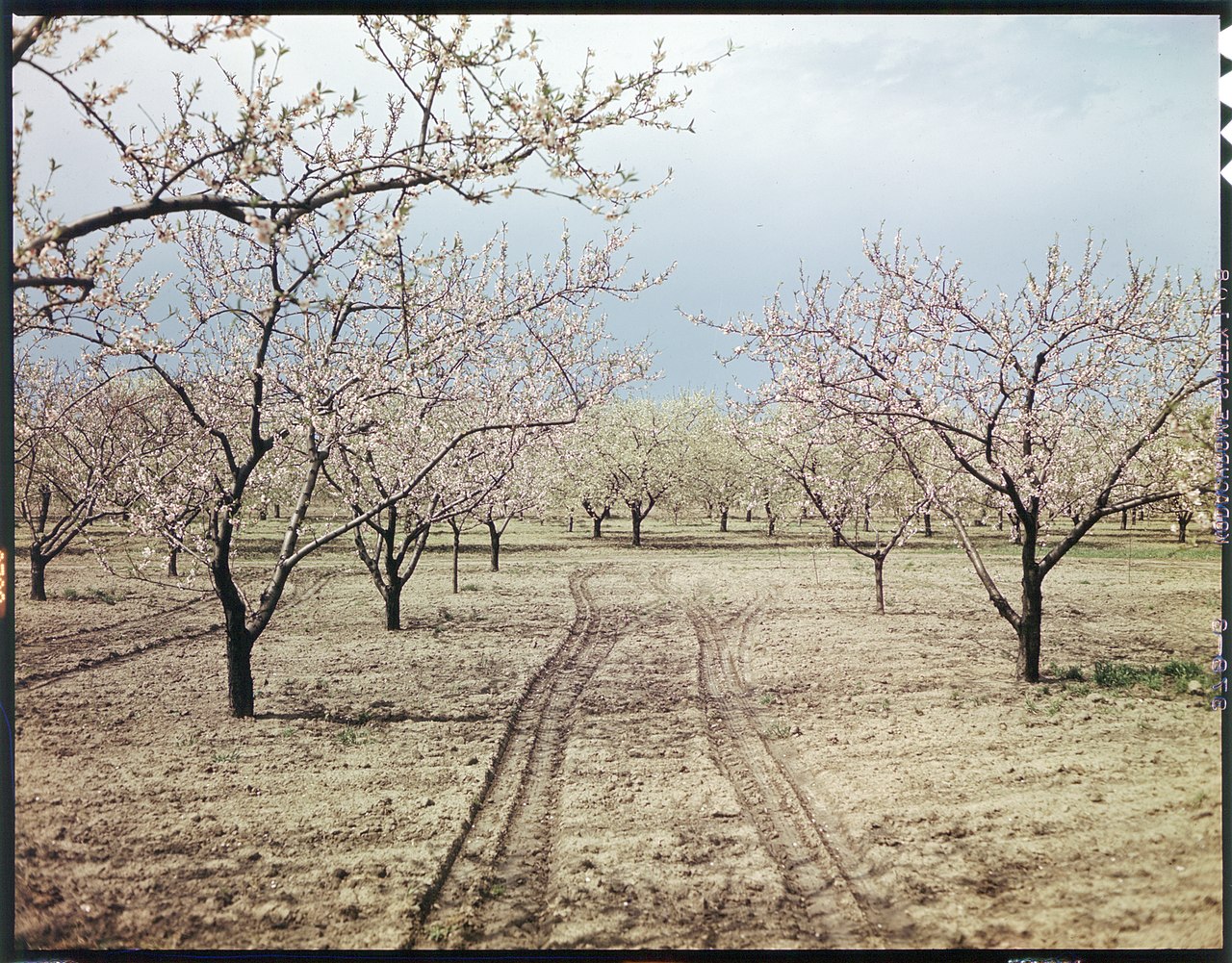
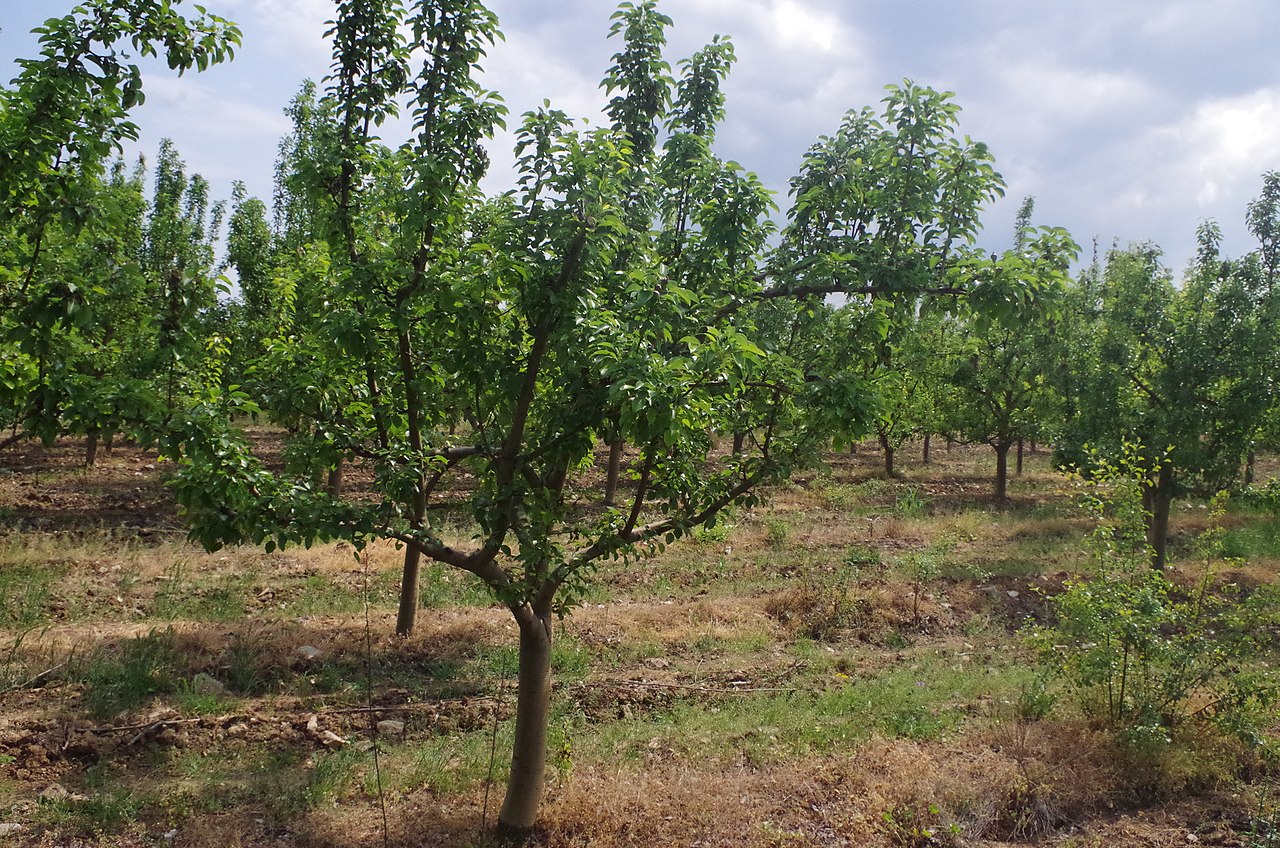
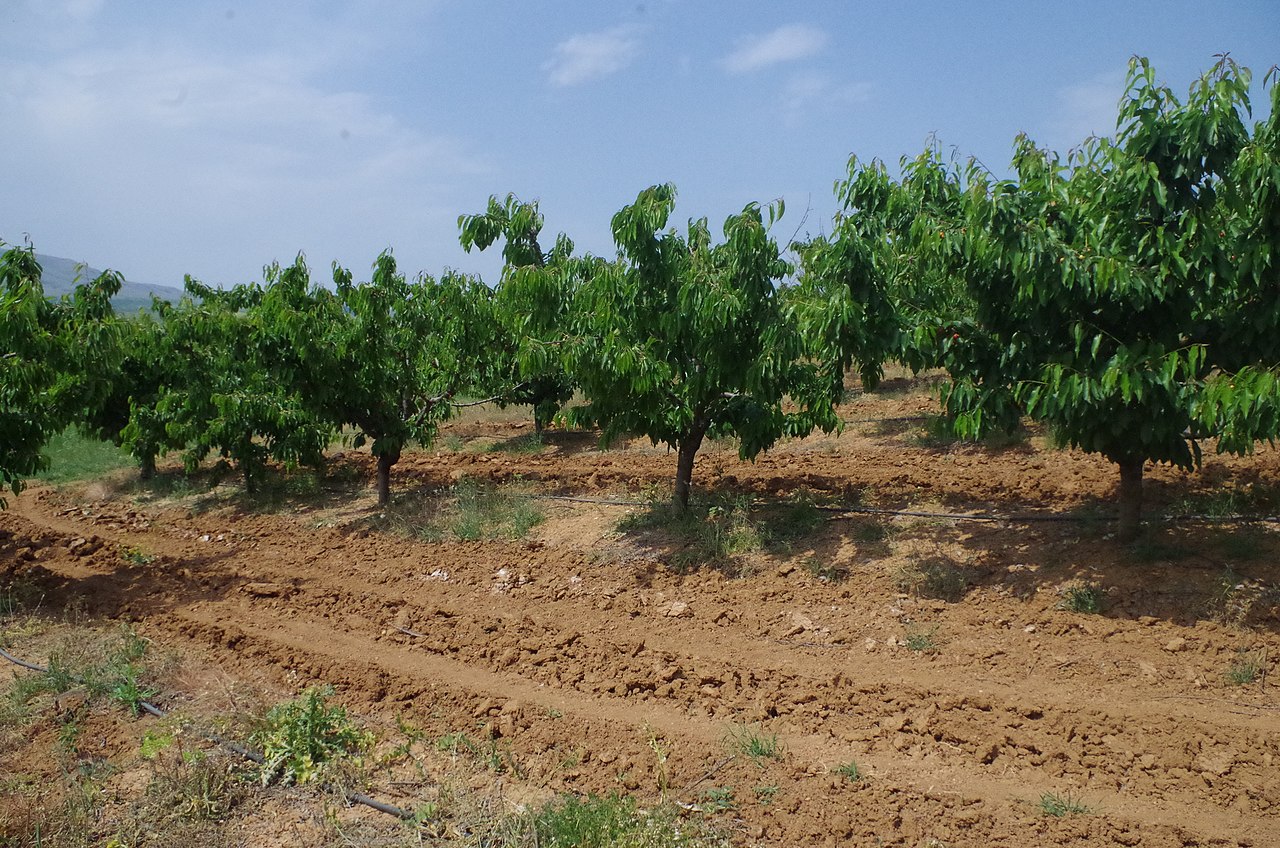
Orchards are usually organized in rows or grids to facilitate maintenance and harvesting. Common types include apple, pear and other pome orchards; stone fruit orchards such as cherry and peach; citrus groves; and nut orchards like almond or walnut. Some orchards follow monoculture models, while others adopt polyculture or agroforestry approaches that mix species for resilience.
History and development
People have cultivated orchard-like plantings for millennia wherever climate and soil permit. Historically, orchards were found at monasteries, farms and estate gardens, serving both practical and aesthetic roles. Over time techniques such as grafting, pruning and systematic irrigation evolved, shaping modern orchard management and the selection of improved varieties.
Management practices
Maintaining an orchard involves planting design, soil care, irrigation, pruning, pest and disease control, and timely harvest. Growers use tools and methods to balance tree vigor, fruit size and quality. Increasingly, sustainable practices—like integrated pest management, habitat strips for beneficial insects, and reduced chemical inputs—are used to support biodiversity.
Uses and importance
Orchards supply fresh produce for local markets, processing industries and home consumption. They have economic value for growers, offer cultural and recreational benefits (such as pick-your-own farms), and provide ecosystem services including carbon storage, shade, and habitat for wildlife.
Distinctions and notable facts
Orchards differ from wild groves and arboreta by their production focus and management intensity. While a garden may include an orchard as a feature, orchards prioritize edible yields. Modern trends include urban orchards, community-managed plots, and integration into permaculture systems to balance productivity with environmental stewardship. For further reading see resources on planting and care here and guides to suitable species for various climates here or here. Additional practical and commercial information is available here and background on fruit types here.
Questions and answers
Q: What is an orchard?
A: An orchard is a place where trees or shrubs that produce food are grown.
Q: What kind of food is grown in orchards?
A: Fruit, nuts, and vegetables are grown in orchards.
Q: Why are orchards grown?
A: Orchards are grown to be sold.
Q: Are orchards always a part of large gardens?
A: No, not necessarily. Although they can be a part of large gardens, they can also be standalone.
Q: What is the purpose of having an orchard in a garden?
A: Orchards are put there to look nice and to produce food.
Q: Can trees and shrubs that produce food be grown elsewhere?
A: Yes, they can be grown elsewhere other than orchards, such as farms or farmers' markets.
Q: Can orchards only be found in certain regions?
A: No, orchards can be found in many different regions all around the world, depending on the type of trees or shrubs being grown.
Related articles
Author
AlegsaOnline.com Orchard: cultivation and uses of fruit- and nut-bearing trees Leandro Alegsa
URL: https://en.alegsaonline.com/art/72993