
Opium poppy (Papaver somniferum): biology, history, and uses
An overview of the opium poppy (Papaver somniferum): its botanical features, alkaloids, cultivation, historical and cultural roles, industrial and ornamental uses, and legal distinctions.
Opium poppy refers to Papaver somniferum, a flowering plant cultivated for millennia for its seeds, latex (opium), and ornamental flowers. The botanical name is often extended to varieties such as var. album, and it is classified as a distinct species within the poppy family. As a cultivated crop it differs from wild relatives; the plant produces characteristic globe-shaped seed capsules whose unripe latex is the source of raw opium (opium).
Image gallery
10 Images


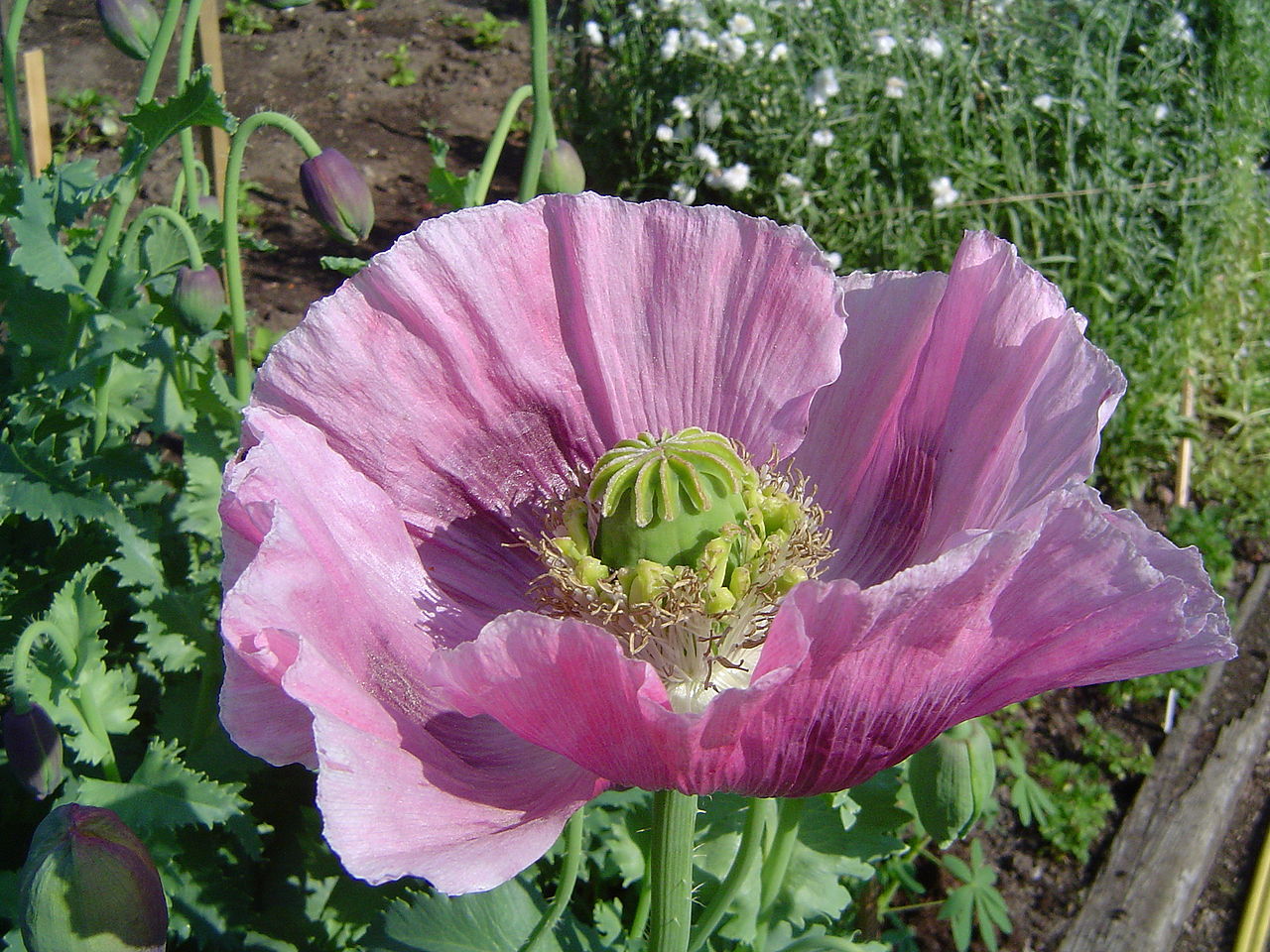
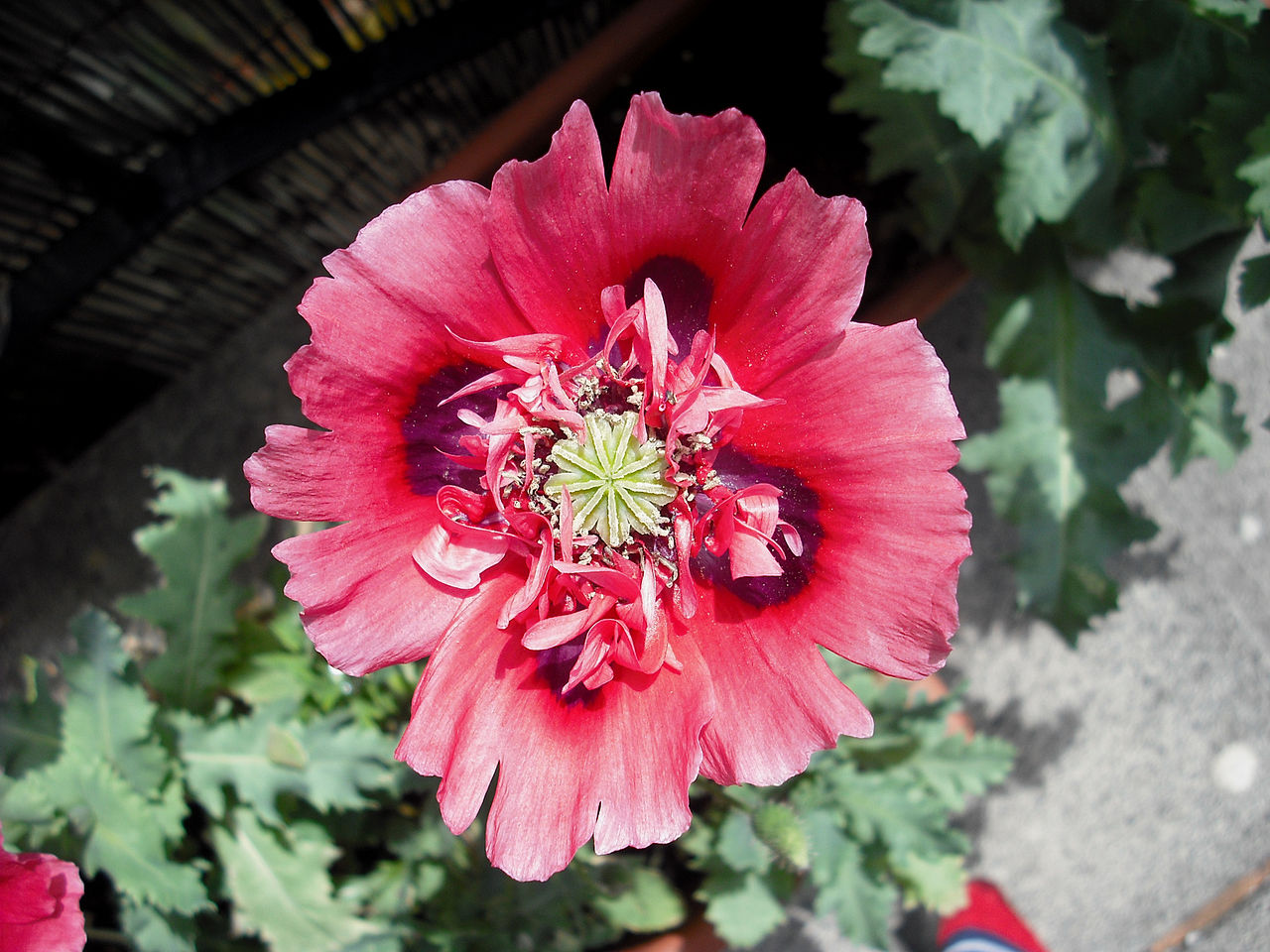


Botanical characteristics
Papaver somniferum is an annual herb with a single stem or branched stems, lobed bluish-green leaves, showy single flowers in various colors, and rounded seed pods. Important parts include:
- Flowers — petals vary widely in color and are a major reason for garden cultivation.
- Seed capsule — the spherical capsule contains many tiny seeds and, when unripe, exudes a milky latex if the rind is scored.
- Seeds — used in cooking and baking; they contain no psychoactive alkaloids in typical culinary processing.
Alkaloids and derived products
The latex of the capsule contains a complex mixture of alkaloids that are the chemical basis for many pharmaceutical and illicit drugs. Notable alkaloids include:
- Morphine — a principal analgesic alkaloid used in medicine.
- Codeine — used as a milder analgesic and cough suppressant.
- Heroin — an opiate derived from morphine; known primarily as an illicit substance.
These compounds are extracted and further processed in pharmaceutical manufacturing or, in illegal contexts, converted into other substances. The plant’s Latin name refers to sleep-inducing properties attributed historically to its extracts.
History, cultivation and distribution
The opium poppy has a long association with human societies, cultivated since ancient times both for medicinal substances and for edible seeds. It is grown in many parts of the world as a crop and as an ornamental. While the cultivated poppy is the economically important species in the family Papaveraceae, several other poppies such as Papaver rhoeas and Papaver argemone appear commonly as wild plants or agricultural weeds and can be mistaken for the crop plant. Cultivation climates range across continents, and the species is reported in horticulture and agriculture across Europe, North America, South America and Asia.
Uses, importance and distinctions
Uses of Papaver somniferum are diverse: culinary (poppy seed oil and seeds used in breads and pastries), horticultural (ornamental varieties prized for flowers), and pharmaceutical (opioid medications produced from opium alkaloids). Because its latex yields potent narcotics, the plant is subject to strict legal controls in many jurisdictions; cultivation for medicinal manufacture is often regulated separately from ornamental or culinary uses. Distinctions to note include the non-narcotic nature of fully processed culinary seeds versus the narcotic-bearing latex of the unripe capsule.
For further reading on botanical classification, agricultural practices, medicinal chemistry, and legal frameworks surrounding the species, consult specialist botanical texts and national regulatory guidance. Additional resources and databases may be found via institutional or governmental links such as those indicated here: species overview, related species, and material on opium processing and uses.
Questions and answers
Q: What is opium poppy?
A: Opium poppy, Papaver somniferum var. album, is a species of plant.
Q: What substances are made from opium?
A: A great number of opiates, such as morphine, heroin, and codeine, are made from opium.
Q: What is the meaning of the Latin name for opium poppy?
A: The Latin name for the opium poppy means "sleep-bringing poppy, white form," probably because some of these opiates make people feel sleepy.
Q: Is opium poppy the only species of Papaveraceae grown as an agricultural crop?
A: Yes, opium poppy is the only species of Papaveraceae to be grown as an agricultural crop.
Q: Are Papaver rhoeas and Papaver argemone agricultural crops?
A: No, Papaver rhoeas and Papaver argemone are important agricultural weeds.
Q: Are Papaver rhoeas and Papaver argemone sometimes mistaken for opium poppy?
A: Yes, Papaver rhoeas and Papaver argemone may be wrongly thought of as the crop.
Q: Is the opium poppy only used for its substances and as an agricultural crop?
A: No, the plant itself is also used as a decoration. Known as the "common garden poppy," it is widely grown as an ornamental flower in Europe, North America, South America, and Asia.
Related articles
Author
AlegsaOnline.com Opium poppy (Papaver somniferum): biology, history, and uses Leandro Alegsa
URL: https://en.alegsaonline.com/art/72853
Sources
- erowid.org : "Erowid Poppy Vault : Legal Status"