
Pasture: Managed Land for Grazing Animals
A pasture is land cultivated or managed to provide forage for grazing animals. This article explains types, vegetation, management practices, history, uses, and how pasture differs from rangeland.
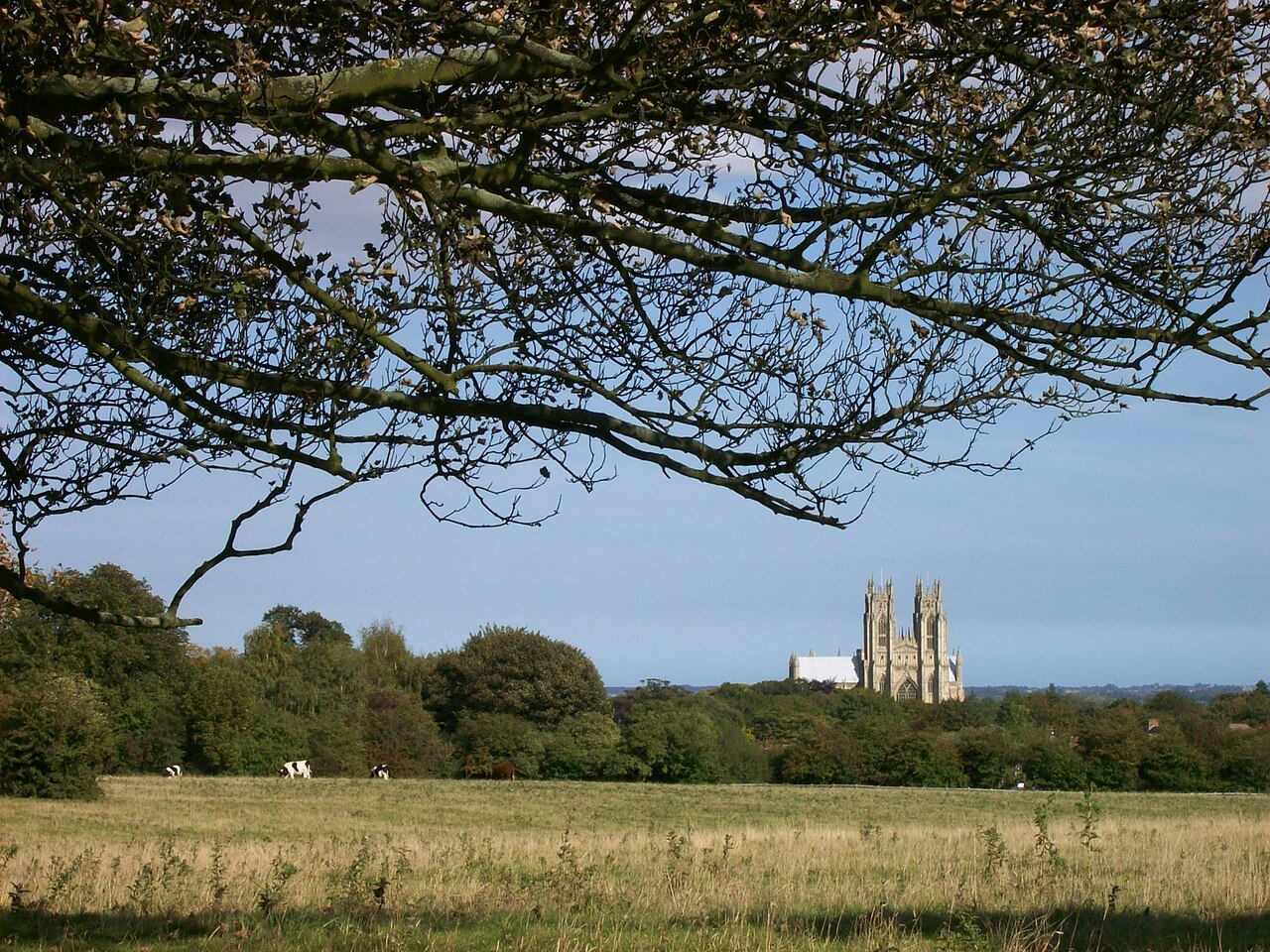
A pasture is land intentionally managed to produce forage and support grazing livestock. Historically small enclosures near farms provided grass and herbs for cattle, sheep, horses and other animals. Modern pastures range from small paddocks to large, fenced fields managed for steady animal access and optimal plant regrowth. A pasture is a specific site prepared to supply forage grasses and herbs or legumes for grazing animals.
Image gallery
8 Images


Characteristics and vegetation
Common pasture plants include perennial and annual grasses, clovers, and other broadleaf species selected for nutritive value and persistence. Soil type, climate and grazing pressure shape species mix. Well-managed pastures balance supplies of energy, protein and fiber to meet livestock needs while maintaining plant cover and soil health.
Management and practices
Pasture management aims to sustain productive forage and animal health. Typical practices include seed selection, fertilization, irrigation where available, weed control, and planned grazing. Rotational grazing divides a pasture into units so animals move between them, allowing rest and regrowth. A simple checklist:
- Assess soil fertility and seed appropriate species
- Control stocking density and rotation timing
- Monitor pasture condition and prevent overgrazing
Grazing itself (grazing) is a central tool: timing and intensity affect plant recovery, trampling, and nutrient return from manure. Fencing, water supply and shelter are practical components of pastoral design.
History, uses and distinctions
Pastures have been part of agriculture for millennia, evolving from common grazing areas to managed fields with improved cultivars and inputs. They provide meat, milk, fiber and draft power and contribute to rural livelihoods. Pasture differs from rangeland in degree of human control: rangelands typically rely on natural vegetation and lighter management, while pastures are more intensively sown, fenced or irrigated.
Environmental considerations include biodiversity, carbon storage, and runoff control; well-managed pastures can sequester soil carbon and support pollinators, whereas poorly managed ones risk erosion and invasive plants. For practical guidance and region-specific best practices consult local extension services and forage specialists.
Related articles
Author
AlegsaOnline.com Pasture: Managed Land for Grazing Animals Leandro Alegsa
URL: https://en.alegsaonline.com/art/74967