
True bug (Hemiptera): overview, traits, diversity and importance
True bugs are insects of the order Hemiptera, characterized by piercing–sucking mouthparts. This article explains their features, diversity, life cycle, ecological roles and impact on humans and agriculture.
Overview
The term "true bug" refers to insects placed in the order Hemiptera, one of the large groups of insects. Entomologists and biologists use this name to distinguish hemipterans from the many other creatures that people sometimes call "bugs" in everyday speech. Hemiptera includes roughly 80,000 species worldwide, occupying most terrestrial and many freshwater habitats.
Image gallery
10 Images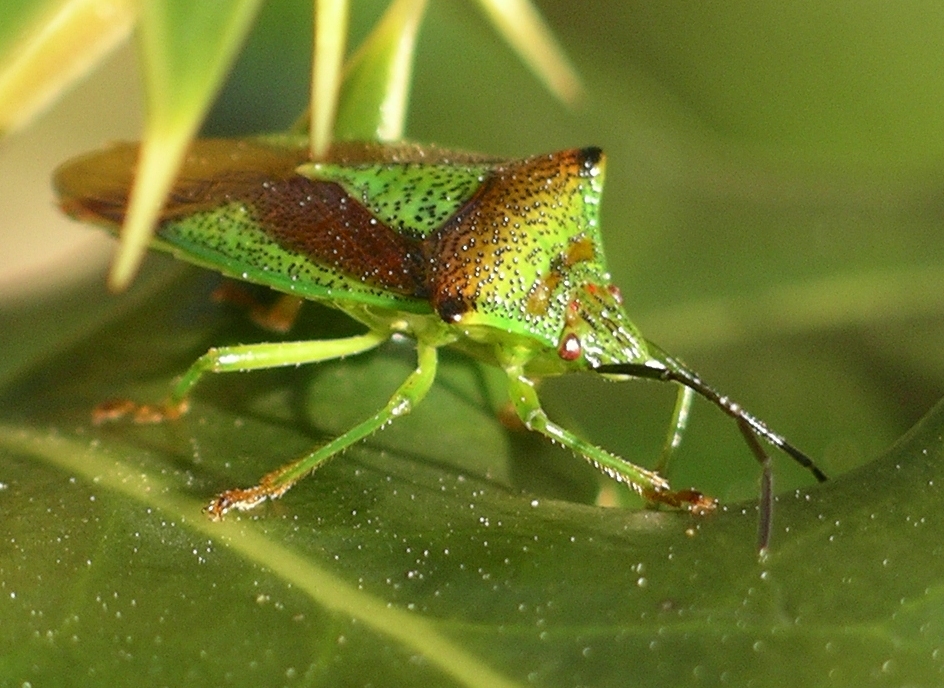




Key characteristics
All true bugs share a set of morphological traits. Most notably they have specialized piercing–sucking mouthparts (a rostrum or beak) used to take liquids from plants, other arthropods or, in a few cases, vertebrates. Hemipterans undergo incomplete metamorphosis (hemimetabolous development), with juveniles resembling small adults. Many members of the suborder Heteroptera have forewings partly hardened and partly membranous (hemelytra), while other suborders show different wing forms and life habits.
Diversity and examples
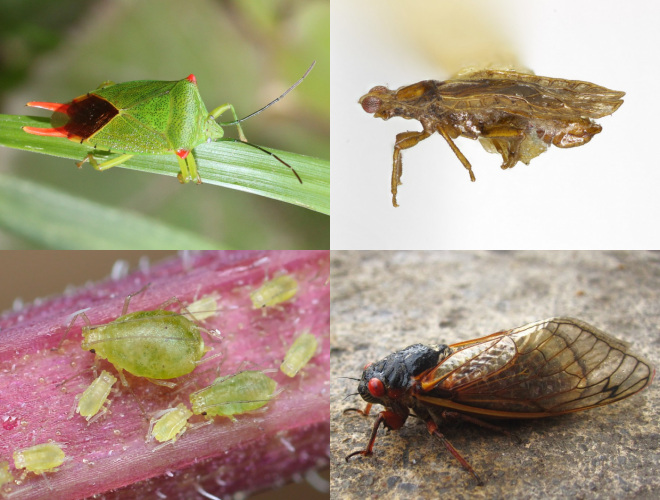
Hemiptera is diverse in form and ecology. Common groups include aphids, cicadas, planthoppers, shield bugs and many others. Sizes range broadly from tiny species only about 1 mm long to larger ones exceeding 10 cm in wingspan or body length in certain tropical taxa. Some hemipterans feed on plant sap, others are predators, and a few species feed on blood.
Life history and ecology
True bugs occupy many ecological niches. Plant-feeding species can transmit pathogens as they move between hosts; sap-sucking groups like aphids reproduce rapidly and often have complex life cycles with sexual and asexual phases. Predatory hemipterans, such as assassin bugs, help control pest populations. Cicadas are notable for their long juvenile stages spent underground as nymphs, then emerging en masse to molt into winged adults.
Importance to humans
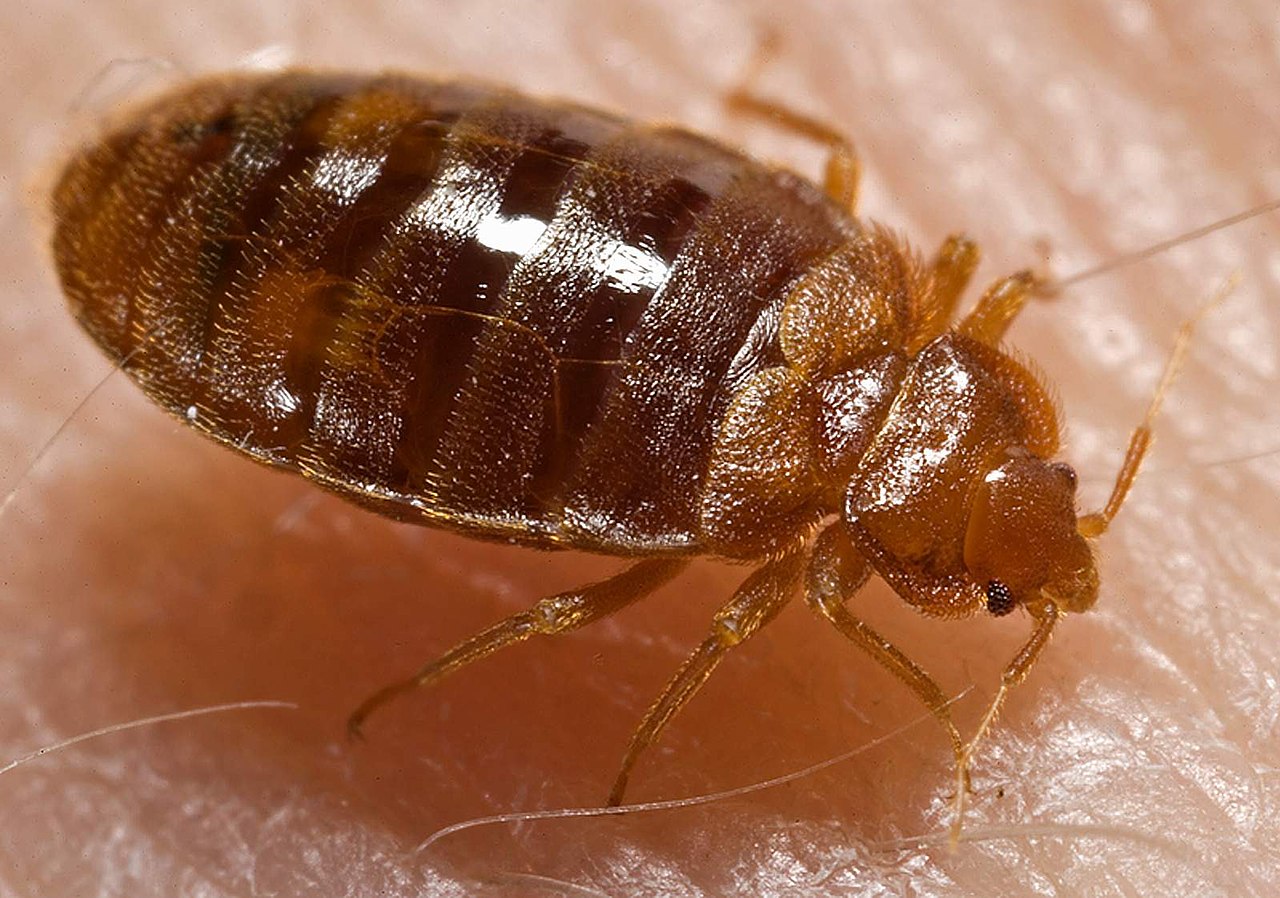
Hemipterans have both beneficial and harmful effects. Agricultural pests among them damage crops directly by feeding and indirectly by spreading plant diseases; controlling these pests is a major concern in farming. Conversely, predatory species and some natural enemies are valuable in biological control. A few species, such as bed bugs, are important as human pests because they feed on blood. Their ecological roles make them significant components of many ecosystems.
Notable distinctions
- True bug vs. common usage: In everyday language "bug" can mean any small arthropod, but scientifically it refers to Hemiptera (order).
- Mouthparts and feeding: The piercing–sucking apparatus (mouthparts) is a defining feature; diets vary from plant sap to other animals.
- Range of forms: Examples include aphids, cicadas, planthoppers and shield bugs, reflecting the order's breadth.
For further general reading see standard entomology references and introductory resources on insect orders (Hemiptera, insects) and groups such as aphids and cicadas. Specific topics—pest management, phylogeny, and individual species—are covered in more specialized literature and databases (species lists and taxonomic treatments).
Questions and answers
Q: What is a true bug?
A: A true bug is an order of insects known as Hemiptera.
Q: How many species of true bugs are there?
A: There are around 80,000 species of true bugs.
Q: What are some examples of true bugs?
A: Some examples of true bugs include aphids, cicadas, planthoppers, and shield bugs, among others.
Q: What is the size range of true bugs?
A: True bugs can range in size from 1 mm to over 10 cm.
Q: What do all true bugs have in common?
A: All true bugs have similar mouthparts which they use to suck up plant sap.
Q: Can the word "bug" have other meanings?
A: Yes, the word "bug" can have other meanings besides referring to true bugs.
Q: What do biologists call true bugs?
A: Biologists call true bugs the Hemiptera.
Related articles
Author
AlegsaOnline.com True bug (Hemiptera): overview, traits, diversity and importance Leandro Alegsa
URL: https://en.alegsaonline.com/art/101782
Sources
- species.wikimedia.org : Hemiptera
- itis.gov : "Hemiptera"