
Pupa: the insect stage between larva and adult
A pupa is the often immobile developmental stage in holometabolous insects when larval tissues are reorganized into adult form. Covers types, biology, examples (chrysalis, puparium), and human relevance.
Overview
A pupa is the transitional life stage in many insects that undergo complete metamorphosis. It follows the larval phase and precedes adulthood. Pupation occurs in a wide range of animals classified as insects, notably some butterflies, moths, beetles, flies and bees. The pupal interval is when larval structures are broken down and adult organs are formed, a process that is often hidden beneath a hardened casing.
Image gallery
10 Images




Characteristics and common types
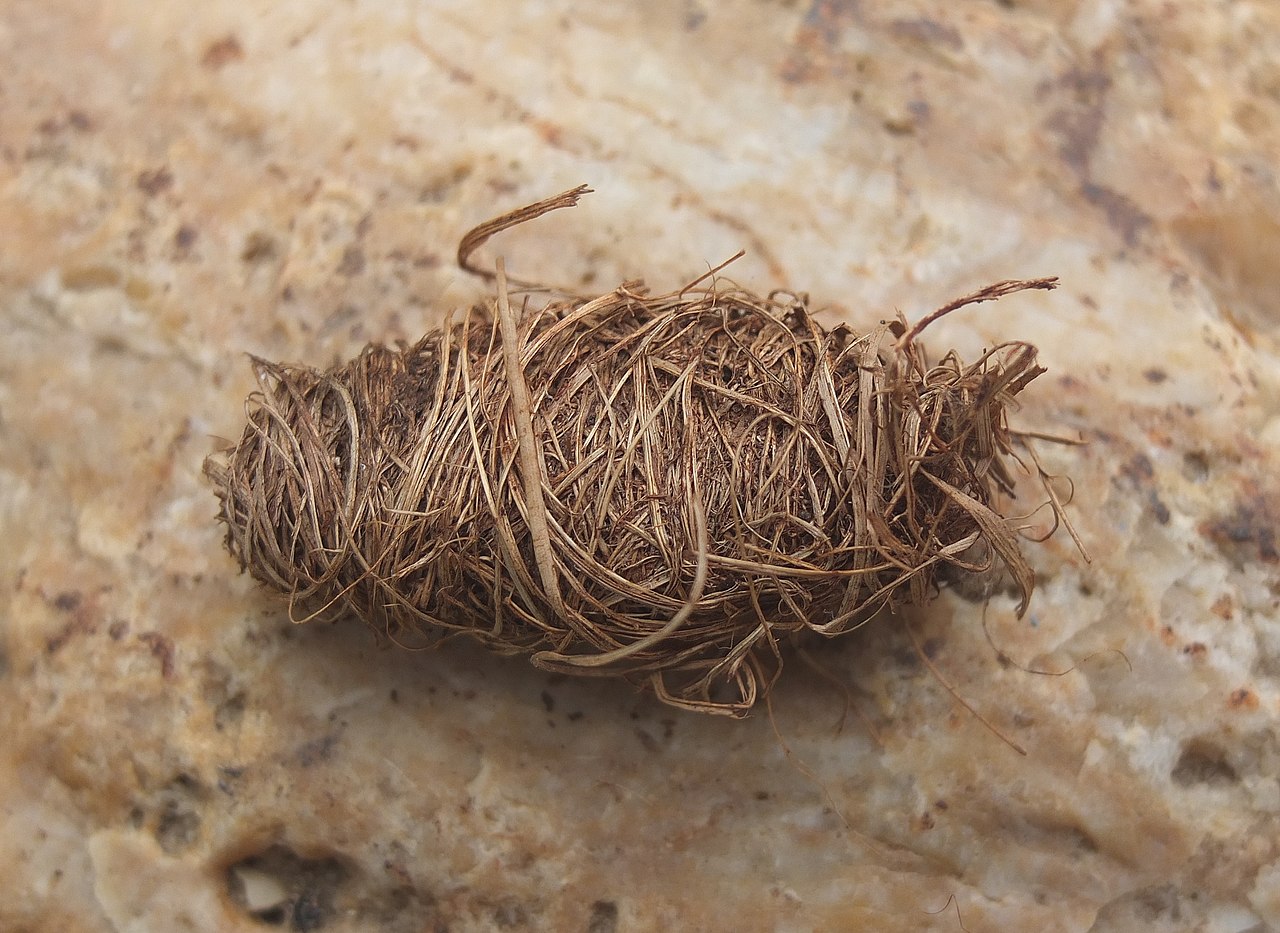
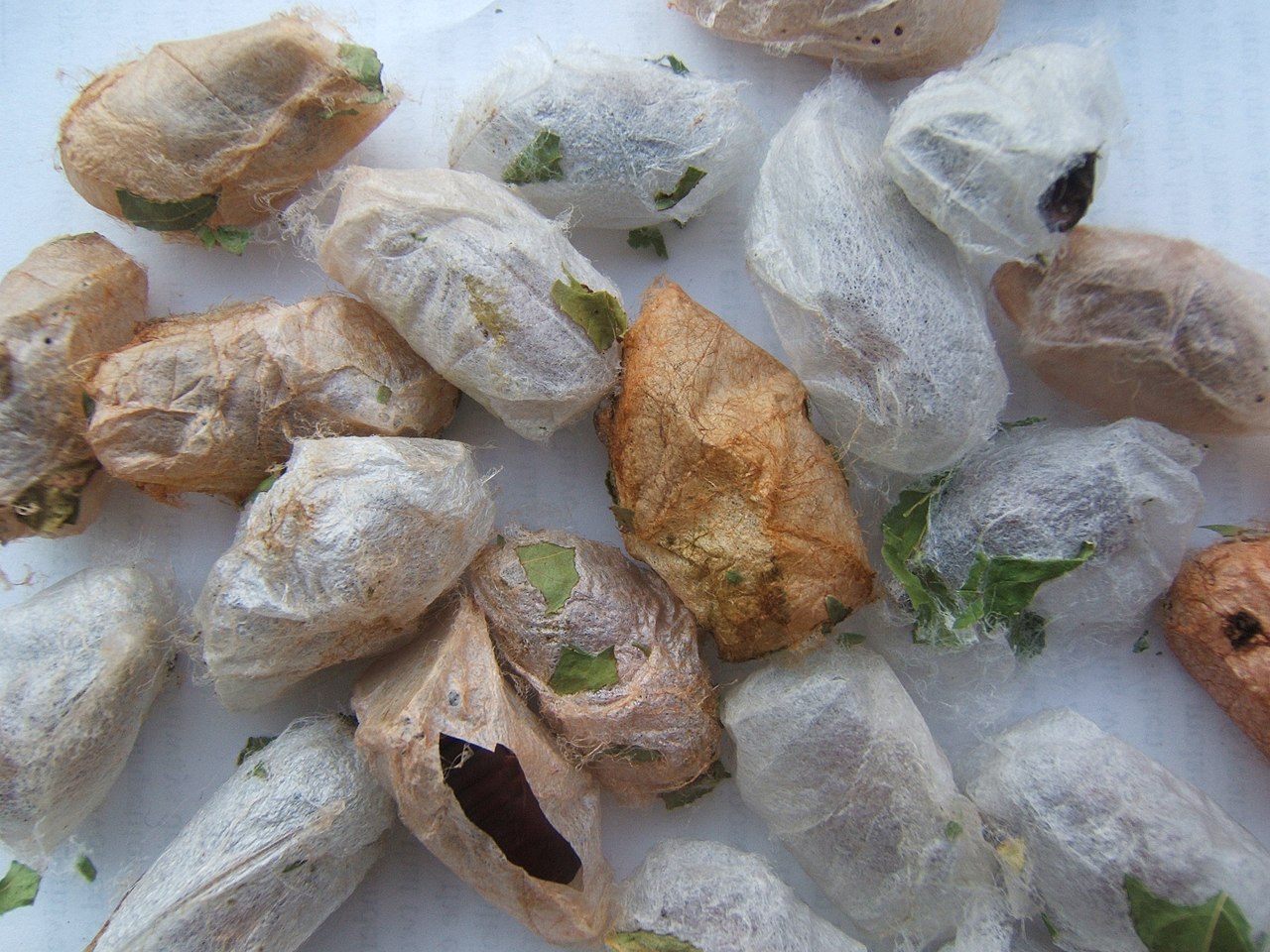
Pupae are usually immobile and may be enclosed in a protective covering. The name for a butterfly pupa is the chrysalis, while flies often form a hardened outer shell called a puparium. Entomologists distinguish several outward types:
- Obtect — appendages held close to the body and often enclosed in a cocoon (common in many butterflies and moths).
- Exarate — legs and wings free and not glued down (seen in many beetles).
- Coarctate — a pupa protected by the last larval skin, typical of many flies (Diptera) which produce a puparium.
Development and biology
The transition from larva to adult inside the pupa involves programmed tissue breakdown and growth from imaginal cells or discs that form adult structures such as wings, legs and reproductive organs. Duration of the pupal stage varies widely with species and environmental conditions; some pupae enter dormancy (diapause) to survive adverse seasons. Pupation sites differ: a chrysalis may hang exposed from a leaf, a moth pupa may lie inside a silk cocoon, and other species pupate underground or within plant stems.
Ecological roles and human uses
Pupae are important ecologically as a phase with different vulnerabilities and interactions: they are food for predators and hosts for parasitoids, and their presence can influence population dynamics. Humans interact with pupae in several ways: the silk industry harvests cocoons produced by moth larvae (silkworm pupae are central to commercial silk production), entomologists study pupae to understand development, and pest management sometimes targets the pupal stage. In some cultures certain insect pupae are also consumed as food.
Notable distinctions and observation
Common confusion arises around terms: "chrysalis" refers specifically to butterfly pupae, whereas many moths make a silk-lined cocoon around their pupa. The plural of pupa may be written as "pupae" or informally as "pupas." Because metamorphosis occurs internally, a pupa may appear inactive while dramatic change is underway. Observing pupae offers a window into insect life cycles and has long fascinated naturalists and students of development.
For further general reading and species-specific information, see resources on metamorphosis and insect development: moth life cycles, butterfly metamorphosis, and practical guides to locating pupae in the field (beetles, flies, bees). Specific technical or conservation questions are best addressed using specialized literature or regional field guides.
Related articles
Author
AlegsaOnline.com Pupa: the insect stage between larva and adult Leandro Alegsa
URL: https://en.alegsaonline.com/art/80101