
Uluru (Ayers Rock) — Sacred sandstone monolith of central Australia
Uluru (Ayers Rock) is a large sandstone monolith in central Australia, sacred to the Anangu. It lies within Uluṟu-Kata Tjuṯa National Park and is protected for both geological and cultural World Heritage values.
Overview
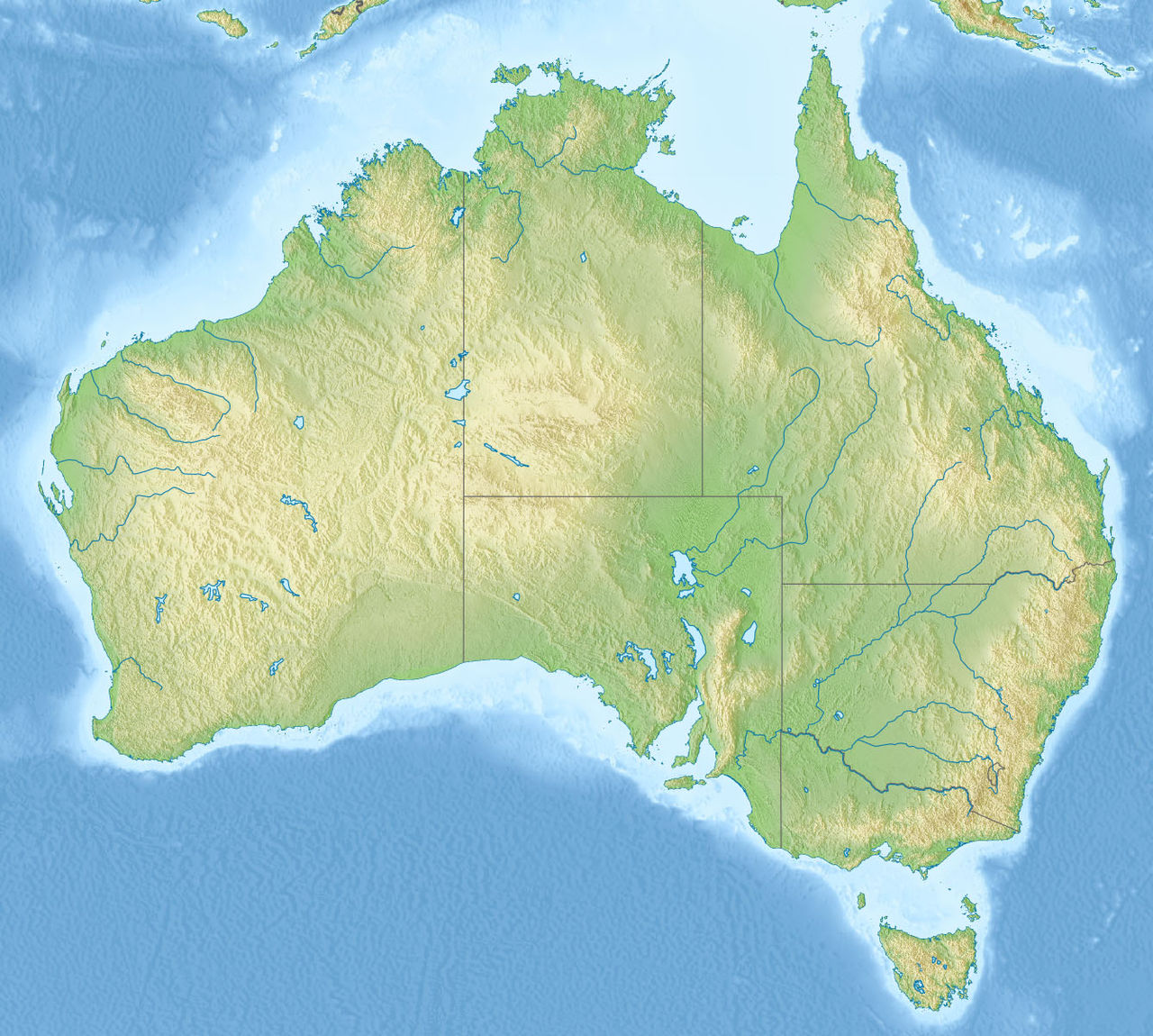
Uluru, also widely known by its colonial name Ayers Rock, is a prominent sandstone monolith rising from the flat plains of central Australia. It is an iconic feature of the arid Western Desert and an important symbol of Australian natural and cultural heritage. Location and visitor information are available here.
Image gallery
10 Images





Geology and physical features
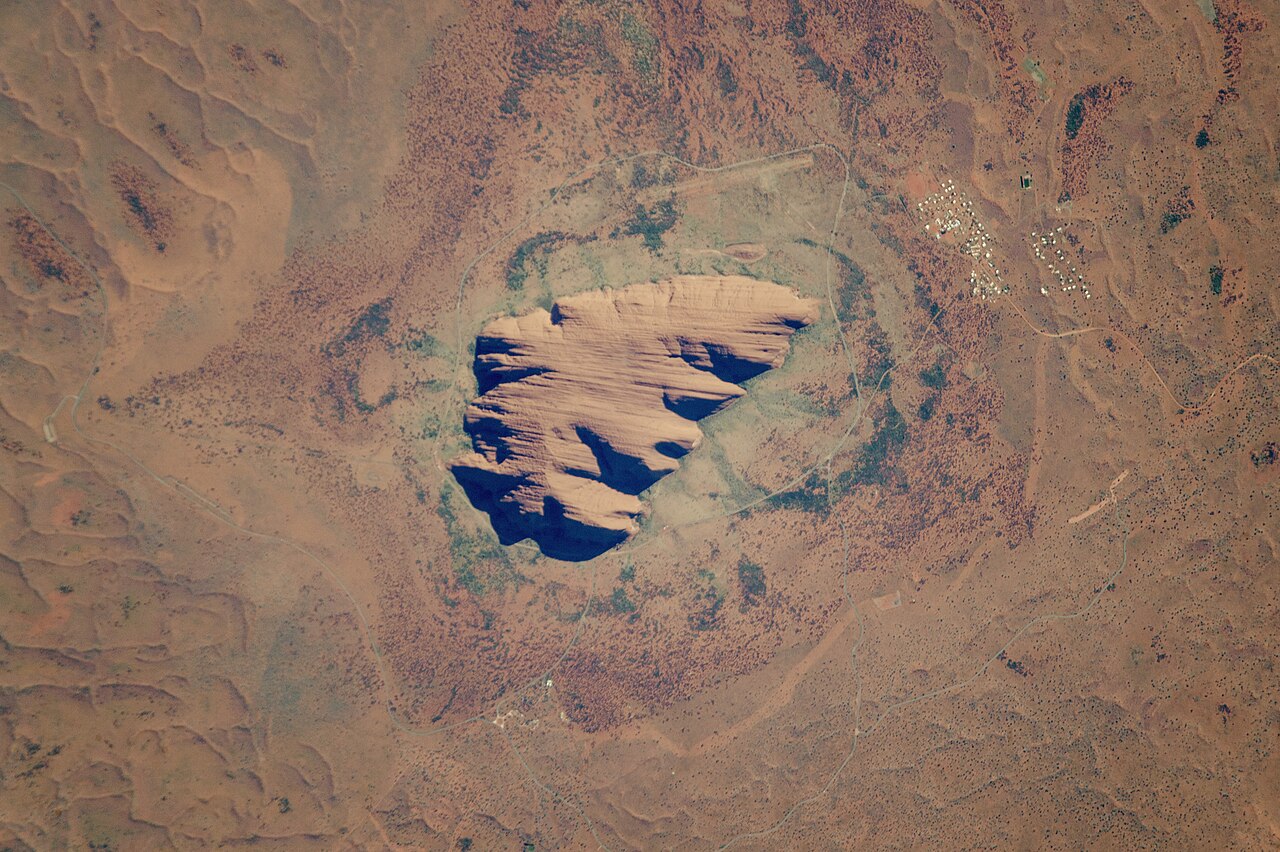
Uluru is an inselberg composed mainly of coarse-grained sandstone that has been tilted and exposed by long geological processes. Its steep faces, rounded forms and extensive weathering patterns produce striking colour changes at different times of day, caused by variations in sunlight and moisture on the rock surface. Around the base are caves, depressions and intermittent waterholes that support specialised plants and animals.
Cultural significance
For the Anangu, the traditional owners, Uluru is central to Tjukurpa—ancestral law, stories and customs that link people to the land. Many parts of the rock and nearby features are associated with particular ancestral beings and ceremonies. Certain sites are sacred and access may be restricted; visitors are asked to follow cultural protocols and guidance from Anangu custodians.
History, ownership and management
European explorers gave the site the name Ayers Rock in the 19th century. In the late 20th century land title and management arrangements were altered to recognise Anangu ownership and to provide joint management with government authorities. The area is formally part of Uluṟu-Kata Tjuṯa National Park, where conservation, cultural care and visitor services are coordinated.
Conservation and visitor guidance
Uluru attracts international visitors for its dramatic form, cultural tours and guided walks. In recent years park management and Anangu leaders have emphasised respect for cultural values and safety; the much-photographed climb was permanently closed out of respect for Anangu wishes and to protect the site. Conservation efforts focus on preserving rock art, native plants, water-dependent habitats and culturally important places.
Recognition and significance
The site is recognised internationally for both its natural and cultural values and appears on World Heritage registers for geology and for living cultural importance. Official heritage information and status details can be consulted here. Together, the geological character of the monolith and the continuing cultural traditions of the Anangu make Uluru a place of outstanding universal interest.
- Key aspects: dramatic colour shifts, geological formation, sacred sites and rock art.
- Management: joint custodianship, visitor education, habitat and cultural conservation.
- Visiting: follow cultural protocols, use guided tours and respect restricted areas.
Related articles
Author
AlegsaOnline.com Uluru (Ayers Rock) — Sacred sandstone monolith of central Australia Leandro Alegsa
URL: https://en.alegsaonline.com/art/102712
Sources
- environment.gov.au : "World Heritage and International Significance"
- environment.gov.au : "The history of Uluru and Kata Tjuta"
- environment.gov.au : "Culture, History and World Heritage"
- environment.gov.au : "Early European history"
- commons.wikimedia.org : Uluru