
States and territories of Australia
Overview of Australia's six states and mainland and external territories, their capitals, constitutional status, governance, history since federation, and key distinctions.
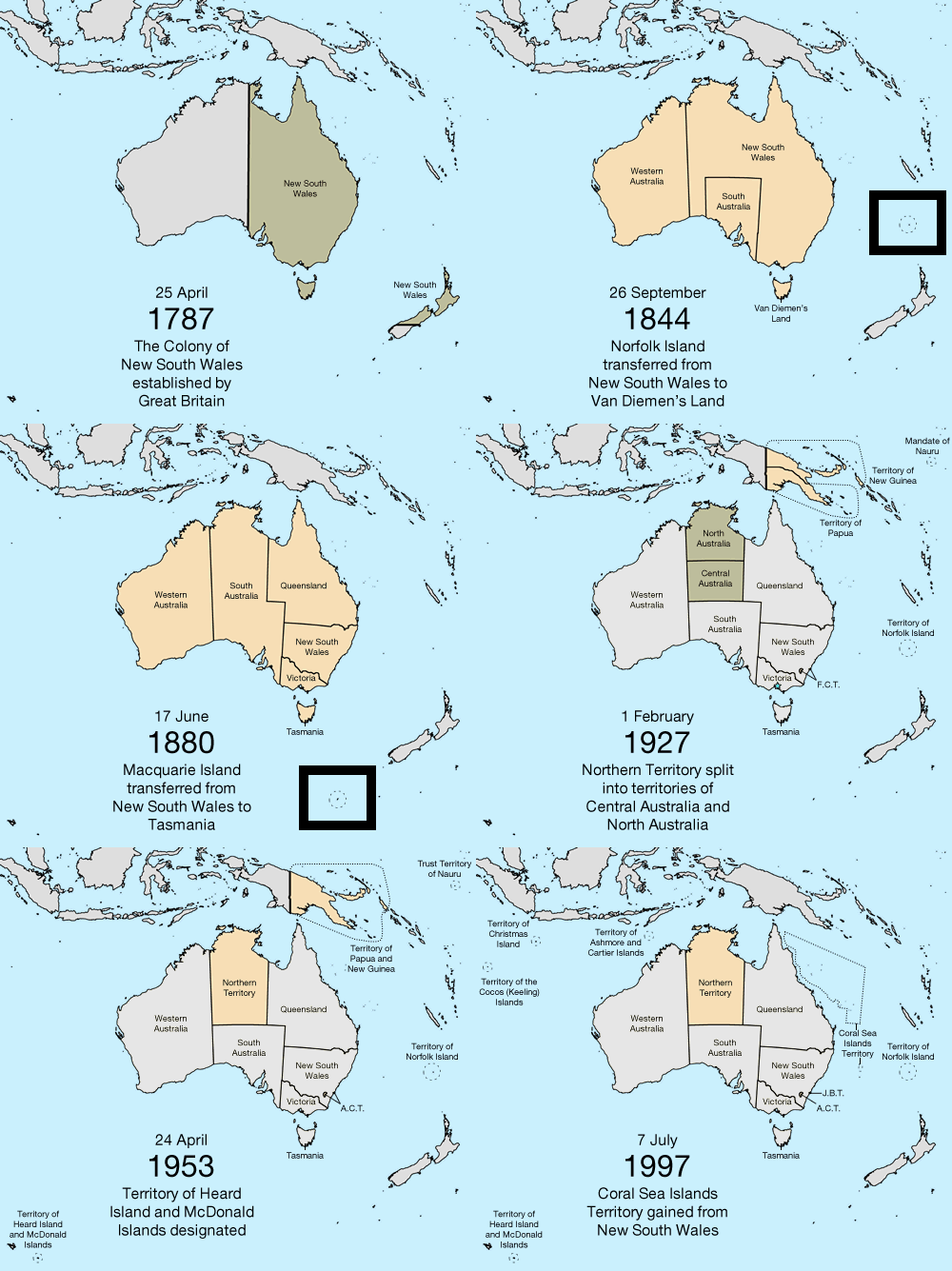
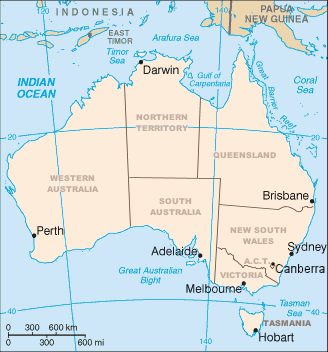
Australia is a federal country composed of six states and several mainland and external territories. The six states—New South Wales, Victoria, Queensland, South Australia, Western Australia and Tasmania—originated as separate British colonies and became states on 1 January 1901 when the Commonwealth of Australia was formed.
Image gallery
4 Images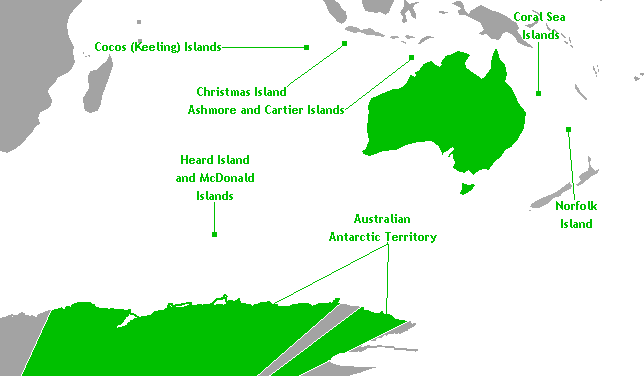

States, mainland territories and selected external territories
- New South Wales (NSW) — capital: Sydney
- Victoria (VIC) — capital: Melbourne
- Queensland (QLD) — capital: Brisbane
- South Australia (SA) — capital: Adelaide
- Western Australia (WA) — capital: Perth
- Tasmania (TAS) — capital: Hobart
- Australian Capital Territory (ACT) — capital: Canberra
- Northern Territory (NT) — capital: Darwin
In addition to the mainland territories, Australia administers a number of external territories. These include populated territories such as Norfolk Island, Christmas Island and the Cocos (Keeling) Islands, and several uninhabited or periodically occupied territories in the Indian, Pacific and Southern Oceans. One claimed area in Antarctica overlaps Australia’s external territorial claims and is subject to the Antarctic Treaty System.
Constitutionally, states possess residual legislative power under the Australian Constitution and retain their own constitutions, parliaments and governors as the Crown’s representatives. Territories are created by federal law and have varying degrees of self-government: the ACT and the Northern Territory have locally elected legislatures established by federal acts, while other territories are administered directly by the Commonwealth through appointed administrators or federal departments.
The federal parliament and the High Court of Australia play central roles in resolving disputes about the division of powers. In the Senate states are afforded equal representation, a deliberate feature of federation to protect regional interests; territories have more limited representation determined by federal law. Over time many responsibilities have become shared between levels of government, producing cooperative federal arrangements for funding and service delivery.
Geography and demography influence Australian politics: states vary greatly in area and population, with much of the population concentrated along the temperate eastern and southeastern seaboards. The relationships among states, territories and the Commonwealth continue to evolve through legislation, court decisions and public debate about local autonomy and national coordination.
Questions and answers
Q: How many states and territories does Australia have?
A: Australia has 6 states and 2 territories.
Q: What are the names of the states of Australia?
A: The states of Australia are New South Wales, Victoria, Queensland, Western Australia, South Australia, and Tasmania.
Q: What are the names of the territories of Australia?
A: The two territories of Australia are the Australian Capital Territory and the Northern Territory.
Q: What is the capital city of Australia?
A: The capital city of Australia is Canberra, located in the Australian Capital Territory.
Q: Which state is the most populous in Australia?
A: The most populous state in Australia is New South Wales.
Q: What is the largest state in Australia in terms of area?
A: Western Australia is the largest state in Australia in terms of area.
Q: Which territory of Australia is closest to Indonesia?
A: The Northern Territory of Australia is closest to Indonesia.
Related articles
Author
AlegsaOnline.com States and territories of Australia Leandro Alegsa
URL: https://en.alegsaonline.com/art/93533