
Kakadu National Park
World Heritage-listed park in Australia’s Northern Territory known for extensive wetlands, Aboriginal rock art, diverse wildlife and joint management by traditional owners and government over nearly two million hectares.
Overview
Kakadu National Park occupies a large portion of the Top End in the Northern Territory of Australia, about 171 km southeast of Darwin. The park covers roughly 1,980,400 hectares (4,894,000 acres), a landscape often compared in size to countries such as Slovenia and to parts of larger islands like Tasmania or regions of Switzerland. It is internationally recognised for both its natural diversity and its cultural heritage.
Image gallery
10 Images


Landscape and climate
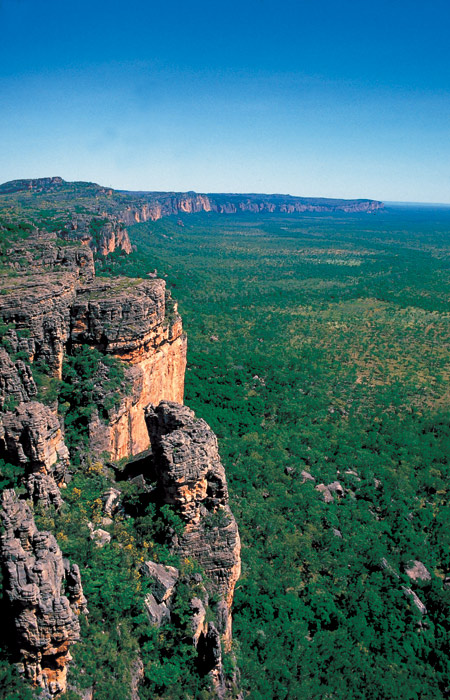
The park contains a mix of coastal tidal flats, vast floodplains, sandstone escarpments, savanna woodlands and patches of monsoon rainforest. A pronounced monsoonal cycle shapes the park: a wet season brings heavy rains and widespread inundation, while a dry season leaves permanent waterholes, billabongs and exposed sandstone country. These seasonal changes drive the ecology and access to many areas, with some roads and sites closed during the wet.
Flora and fauna
Kakadu supports a rich assemblage of plants and animals adapted to its variable conditions. Wetlands attract large numbers of waterbirds and migratory shorebirds, while floodplains are important for fish and foraging waterbirds. Saltwater crocodiles are emblematic of the park and occur in many waterways. Other commonly seen wildlife includes jabirus, magpie geese, a range of frogs and freshwater fish, wallabies and diverse insect life. Wetland areas in Kakadu are recognised for their international importance under wetland conservation frameworks.
Cultural significance and rock art
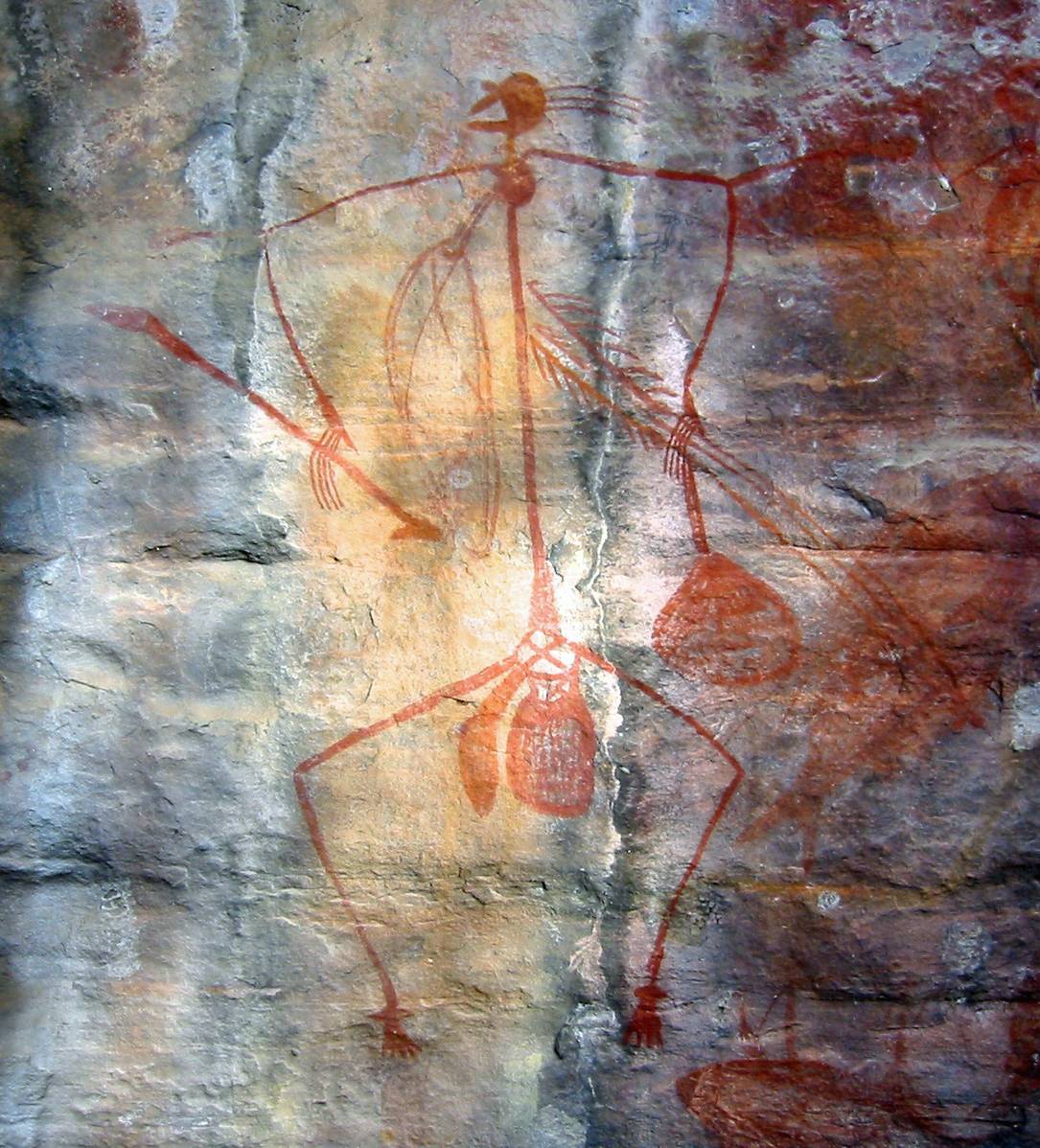
The park contains one of the longest continuous records of human occupation in the world. Aboriginal traditional owners, often referred to collectively as Bininj/Mungguy and other language groups, maintain deep cultural, spiritual and practical connections to the land. Kakadu is renowned for extensive rock art galleries and painting sites that record ancestral stories, hunting scenes, ceremony, contact history and knowledge about plants and animals; well-known sites attract visitors and researchers and are interpreted in collaboration with traditional owners.
Management, conservation and industry
Kakadu is managed through a joint approach that brings together traditional owners and government agencies to protect both cultural and natural values while accommodating sustainable tourism and some licensed uses. Within the park lies the Ranger Uranium Mine, developed on a leased area and associated with extraction of uranium. The mine and other development issues have prompted long-standing discussion about environmental protection, monitoring and rehabilitation alongside the park’s conservation objectives.
Visiting Kakadu
- Seasonal planning: many attractions are best visited in the dry season when roads are open and wildlife congregates at waterholes; the wet season transforms lowlands and limits access to some areas.
- Safety: visitors are advised to follow crocodile warnings, respect cultural protocols at art sites and take precautions for heat, remote travel and flooding.
- Activities: popular options include guided cultural tours, boat cruises on wetlands, birdwatching, viewing rock art at marked galleries and walking on escarpments and formed trails.
Significance
Kakadu is valued as a large, living cultural landscape where traditional knowledge, fire and land management practices play a central role in conserving biodiversity. The park continues to be a focus for scientific research, Indigenous-led land management and visitor education, helping to explain how ancient cultural traditions and modern conservation intersect across a vast and varied environment.
For practical information on access, permits and seasonal conditions contact park authorities or local visitor centres before travel; official resources and on-site interpretation support responsible visitation and respect for traditional owners.
Questions and answers
Q: Where is Kakadu National Park located?
A: Kakadu National Park is located in the Northern Territory of Australia, 171 km southeast of Darwin.
Q: How large is Kakadu National Park?
A: Kakadu National Park covers an area of 1,980,400 ha (4,894,000 acres).
Q: What are the dimensions of Kakadu National Park?
A: The park is about 200 kilometres from north to south and more than 100 kilometres from east to west.
Q: How does the size of Kakadu compare to other countries or regions?
A: The park is approximately the size of Slovenia, one-third the size of Tasmania, or nearly half the size of Switzerland.
Q: Is there a uranium mine inside Kakadu National Park?
A: Yes, there is a Ranger Uranium Mine inside the park which is one of the biggest uranium mines in the world.
Q: What type of environment can be found in Kakadu National Park?
A: There are many different types of environments within Kakadu including woodlands and wetlands as well as rivers and billabongs. It also has some rocky escarpments and gorges with stunning views.
Related articles
Author
AlegsaOnline.com Kakadu National Park Leandro Alegsa
URL: https://en.alegsaonline.com/art/51922