
Northeast India (North Eastern Region)
The easternmost part of India, known for its hills, rivers and cultural diversity. Includes the 'Seven Sisters' states and sometimes Sikkim; notable for biodiversity, tea, and strategic borders.
Overview
Northeast India, officially the North Eastern Region (NER), occupies the easternmost part of the Republic of India. It lies to the east of Bangladesh and forms a distinct geographic and cultural zone within South Asia. At the time of British India's partition, the subcontinent was divided into political entities that are now India, Pakistan and Bangladesh. The region has a long history of trade, migration and cross-border links with neighbouring countries.
Image gallery
5 Images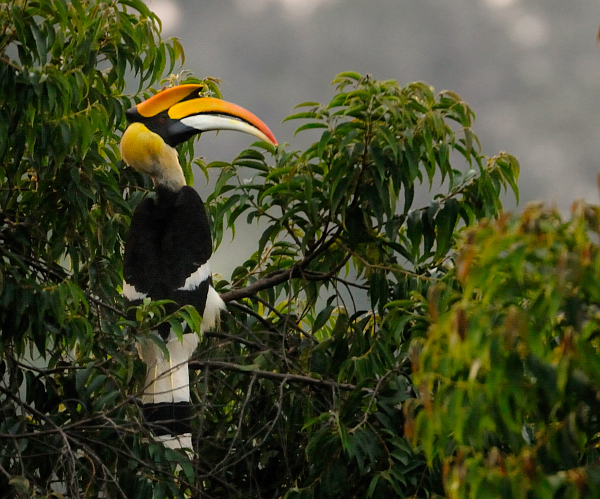


Constituent states
The area commonly called Northeast India includes seven core states often referred to as the "Seven Sisters" and is sometimes expanded to include neighbouring Sikkim. These states are:
Geography and biodiversity
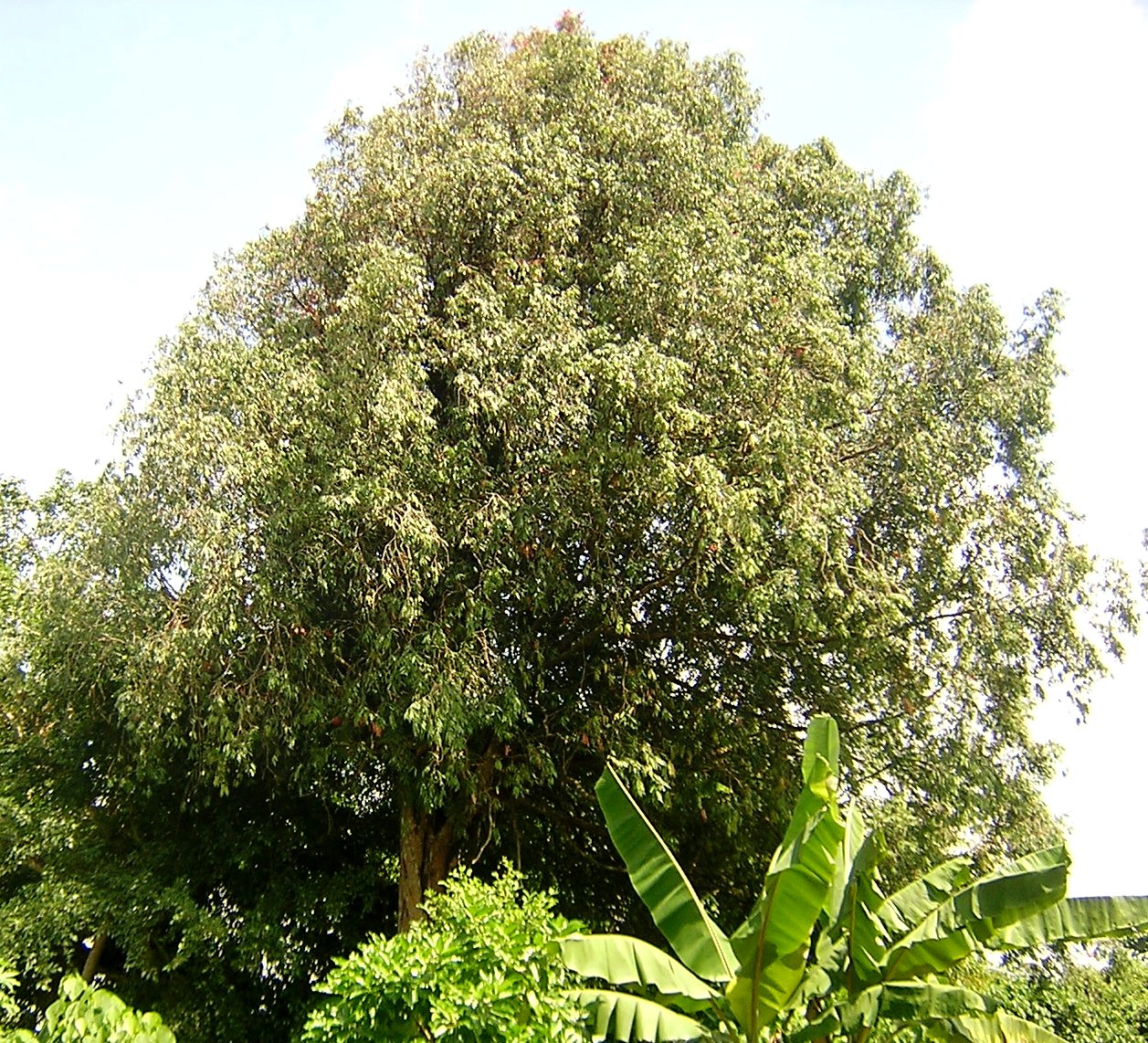
The landscape varies from the fertile floodplains of the Brahmaputra and Barak river systems to upland plateaus, dense tropical and subtropical forests, and high Himalayan foothills. Because of its varied terrain and climates, the region hosts rich biodiversity including endemic plants and animals. Protected areas and national parks are notable for species such as the one-horned rhinoceros, various orchids, and migratory birds.
History, peoples and languages
Northeast India is ethnically and linguistically diverse, with dozens of indigenous communities and language families, including Tibeto-Burman, Indo-Aryan and Austroasiatic speakers. The colonial era and subsequent political changes shaped modern state boundaries and administration. Local identities, customary systems and differing colonial experiences have all influenced contemporary politics and society.
Economy, transport and strategic importance
The region's economy blends agriculture (notably tea cultivation in Assam), forestry, small-scale industries, handicrafts and growing services related to tourism. Hydrocarbon deposits and hydropower potential are also significant in parts of the region. Physical connectivity to mainland India is limited by a narrow land corridor; road, rail and air links have been priorities for development. The area is also strategically important because it shares international borders and transnational trade routes.
Culture, tourism and contemporary issues
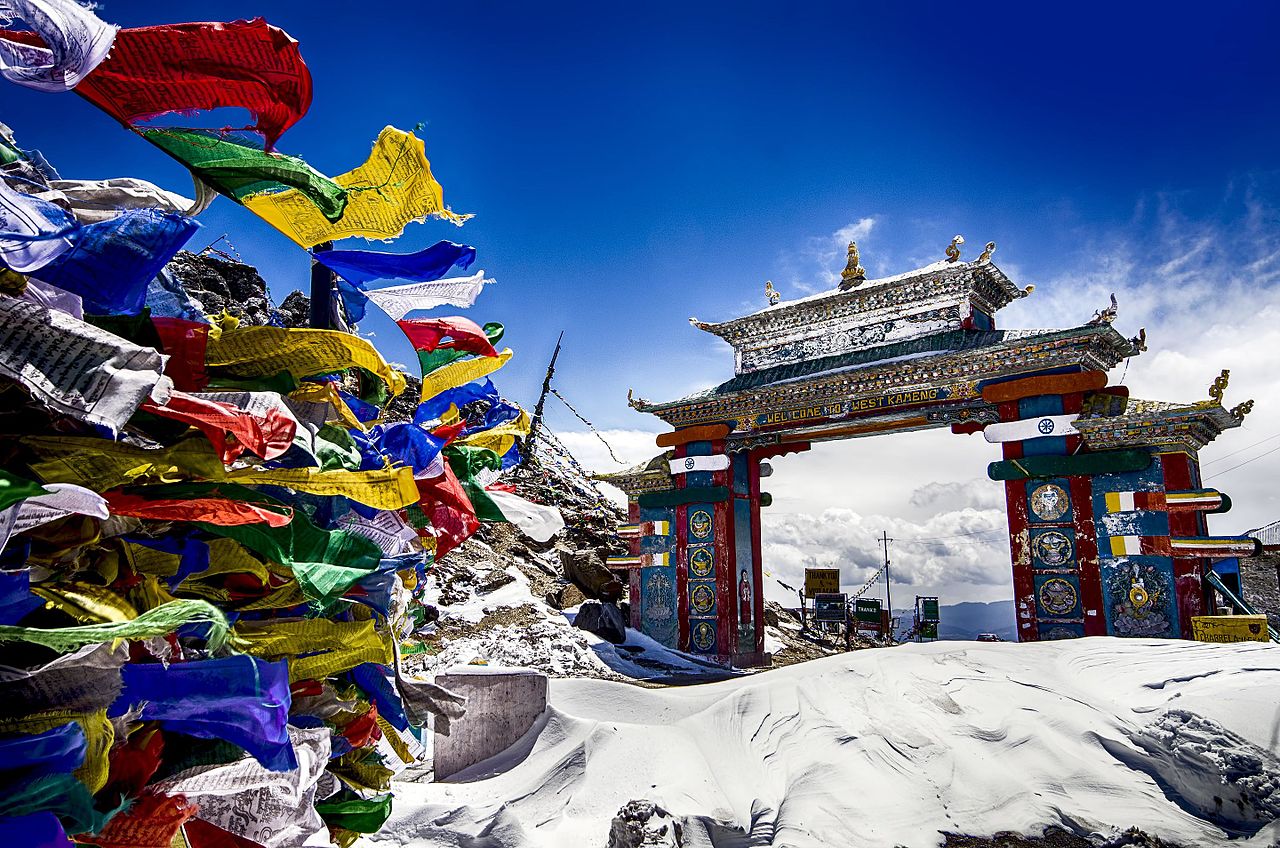
Vibrant local cultures are expressed through festivals, music, dance, crafts and cuisines. Events such as regional harvest and tribal festivals attract tourism and cultural interest. Conservation, infrastructure development, cross-border relations, and balancing economic growth with environmental protection are ongoing challenges. For further reading on administrative details and regional initiatives, see resources linked below.
- Pakistan — historical neighbour mentioned in partition context
- Bangladesh — lies west of much of the region
- Arunachal Pradesh, Assam, Manipur, Meghalaya, Mizoram, Nagaland, Tripura, Sikkim
Note: The links above are placeholders to related resources and official pages that provide more detailed information on individual states, biodiversity sites and regional development programs.
Related articles
Author
AlegsaOnline.com Northeast India (North Eastern Region) Leandro Alegsa
URL: https://en.alegsaonline.com/art/70994