
Northeast Region (Região Nordeste) — Brazil’s northeastern states and features
One of Brazil’s five official regions, the Northeast (Região Nordeste) comprises nine states, diverse climates from coast to semi‑arid interior, a rich colonial and Afro‑Indigenous cultural heritage, and key economic activities.
Overview
The Northeast Region of Brazil is one of the country's five official geographic divisions, established by the Brazilian Institute of Geography and Statistics in 1969. It occupies a substantial portion of Brazil’s territory and is the nation's second most populous region. Its Portuguese name, Região Nordeste, reflects a long history of settlement, commerce and cultural exchange that helped shape modern Brazil. For national context see Brazil and the IBGE classification at IBGE.
Image gallery
10 Images




Geography and environment
The Northeast spans a range of landscapes from an extensive Atlantic coastline to an interior semi‑arid zone known as the sertão. Key ecological formations include the dry, thorny caatinga that is largely endemic to this region; fragments of the Atlantic Forest along the coast; and pockets of savanna and mangrove systems. The region comprises nine states:
- Bahia
- Pernambuco
- Ceará
- Paraíba
- Rio Grande do Norte
- Piauí
- Maranhão
- Alagoas
- Sergipe
History and culture
The Northeast was a focal point of early Portuguese colonization, sugarcane cultivation and the transatlantic slave trade. Cities such as Salvador, Recife and Olinda retain colonial architecture and institutions from the Portuguese era. Cultural life in the region blends Indigenous, African and European traditions: music genres (forró, axé, samba de roda), religious syncretism, culinary traditions and annual festivals (notably Carnival and the June Festas Juninas) are regionally distinctive and nationally influential.
Economy and society
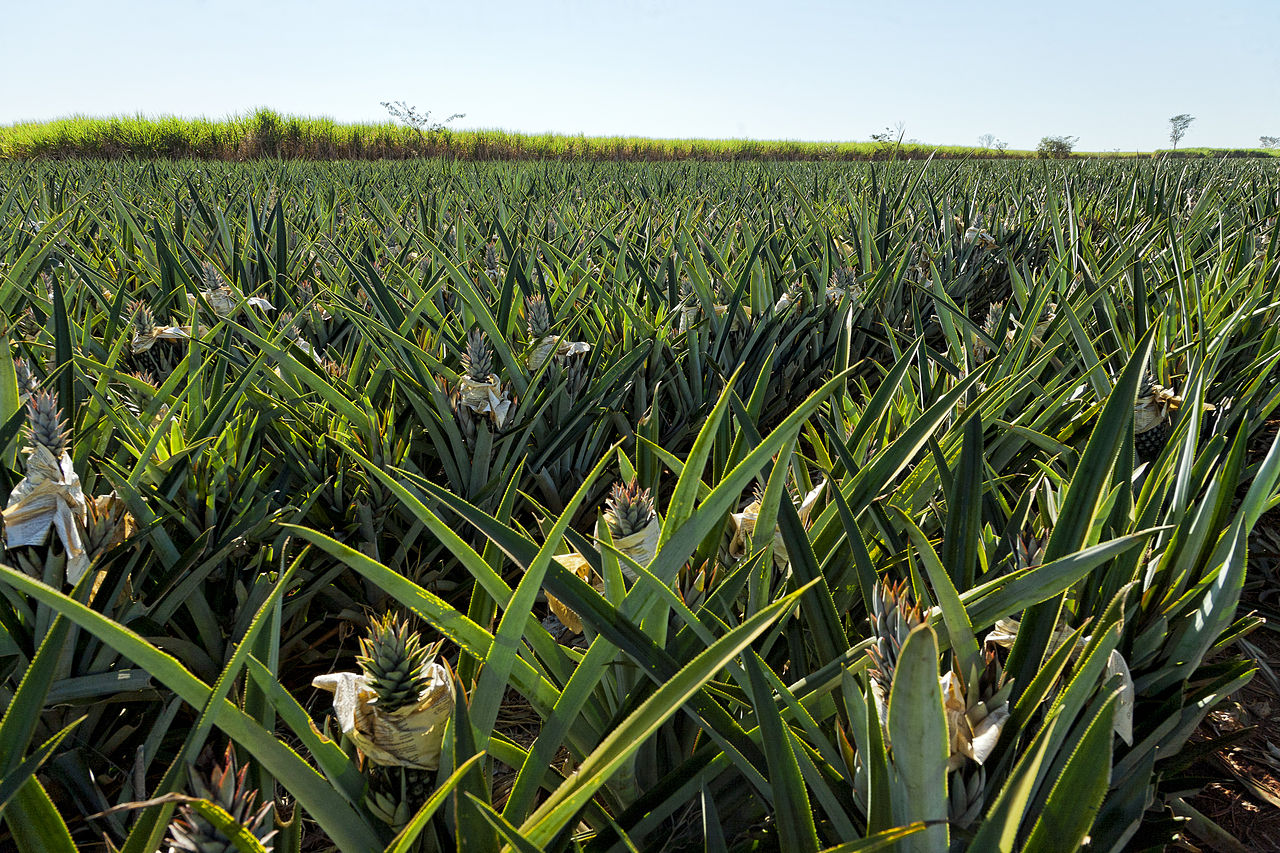
Economic activities vary by sub‑region. Coastal zones emphasize tourism, fisheries and urban services; coastal plains and river valleys support tropical fruits and sugarcane; the interior supports cattle ranching and drought‑resistant agriculture. Offshore oil and gas production and growing industrial and service sectors in major metropolitan areas have diversified local economies. Historically the Northeast has faced development challenges and income disparities relative to Brazil’s south and southeast, and public policies have long targeted infrastructure, education and drought resilience.
Notable distinctions
The Northeast is renowned for its cultural influence on national identity and for unique biomes such as the caatinga. Its demographic weight and historical legacy make it central to Brazil’s past and present. For further general reference see the Portuguese name, regional statistics at regional data and administrative definitions via IBGE.
Questions and answers
Q: What is the Northeast Region of Brazil?
A: The Northeast Region of Brazil is one of the five geographical regions of Brazil defined by the Brazilian Institute of Geography and Statistics in 1969.
Q: How large is the Northeast Region in relation to Brazil's national territory?
A: The Northeast Region corresponds to 18% of Brazil's national territory, making it the third largest region in the country.
Q: What is the population size of the Northeast Region?
A: The Northeast Region is the second largest region in population.
Q: When was the Northeast Region of Brazil defined by the Brazilian Institute of Geography and Statistics?
A: The Northeast Region of Brazil was defined by the Brazilian Institute of Geography and Statistics in 1969.
Q: Why was the Northeast Region of Brazil defined?
A: The Northeast Region of Brazil was defined in order to map the country's different geographical regions.
Q: What is the official language of Brazil?
A: The official language of Brazil is Portuguese.
Q: Are there other regions in Brazil?
A: Yes, there are five geographical regions of Brazil.
Related articles
Author
AlegsaOnline.com Northeast Region (Região Nordeste) — Brazil’s northeastern states and features Leandro Alegsa
URL: https://en.alegsaonline.com/art/70996
Sources
- commons.wikimedia.org : Northeast Region of Brazil
- peakbagger.com : "Serra do Barbado, Brazil"
- peakbagger.com : "Brazil State High Points"
- ibge.gov.br : "Área Territorial Brasileira"
- tools.wmflabs.org : 12°58′S 38°31′W / 12.967°S 38.517°W / -12.967; -38.517