
Nagaland (state of India)
Nagaland is a hilly state in northeast India, home to diverse Naga tribes, rich cultural traditions and biodiversity. It became a state in 1963 and is known for the Hornbill Festival and its mountainous terrain.
Overview
Nagaland is a state in northeastern India occupying about 6,401 square miles (16,580 km²). It is larger in area than some small countries—for example, it is bigger than East Timor but smaller than Eswatini. The state is predominantly hilly, lying along the border with Myanmar and neighboring the Indian states of Assam, Arunachal Pradesh and Manipur. Kohima is the capital, while Dimapur is the largest urban center and a principal commercial hub.
Image gallery
10 Images


Geography and environment
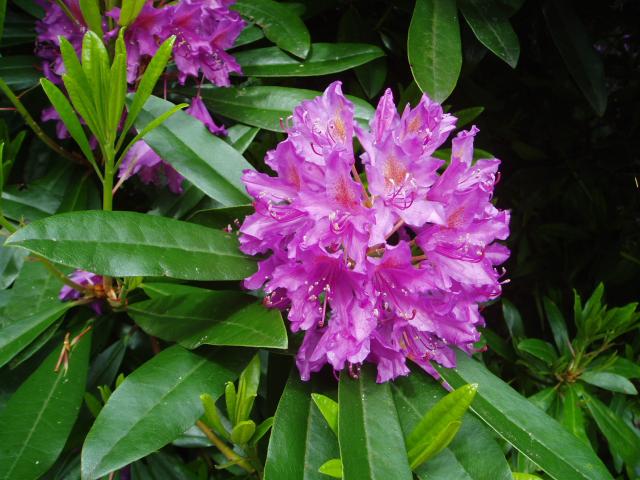
Nagaland's terrain is formed mainly by the Naga Hills and the Patkai range, with elevations that produce a variety of microclimates. Much of the landscape is covered by tropical and subtropical forests, supporting rich biodiversity including orchids, rhododendrons and a diversity of fauna. The region is part of the broader Indo-Burma biodiversity hotspot and contains rivers and valleys used for agriculture and settlements.
People, languages and culture
The state takes its name from the Naga peoples, an umbrella term for a number of distinct tribal communities. Each tribe has its own language, customs and traditional dress; common languages used for wider communication include Nagamese and English, the latter serving as the official language for government and education. Christianity is the majority religion, introduced through missionary activity during the 19th and early 20th centuries. Cultural life is notable for elaborate festivals, traditional crafts and musical forms—among them the annual Hornbill Festival, a contemporary showcase of Naga heritage that draws visitors from across India and abroad.
History and politics
The Naga Hills were administered under British colonial structures and later integrated into the Indian Union after 1947. Nagaland was established as a separate state in 1963 following political negotiations to recognise distinct administrative needs. The post-independence period included periods of political tension and insurgent movements seeking greater autonomy; over time a series of negotiations and agreements have aimed to address these longstanding political issues while preserving the region's cultural identity.
Economy and infrastructure
The economy is largely agrarian, with terrace and shifting cultivation producing rice, maize and other crops. Handloom, handicrafts and forestry products are important sources of household income. Tourism based on culture and natural scenery has grown, though transport infrastructure remains limited by the rugged terrain; Dimapur provides the main rail and air connections, while road networks link the state to neighboring regions.
Notable facts and distinctions
- Nagaland comprises several distinct tribes, each with unique languages and customs.
- The Hornbill Festival celebrates traditional arts, dances and crafts and is a focal event for cultural tourism.
- Historically, some Naga practices such as headhunting were recorded in the past, but these customs ended as communities converted to Christianity and modern governance took root.
- Ecologically, the state contributes to one of the world's important biodiversity regions and hosts a variety of endemic species.
Overall, Nagaland is recognised for its cultural diversity, scenic highland landscapes and evolving socio-political life within the Indian federation. Visitors and scholars are often attracted by its vibrant festivals, traditional craftsmanship and the combination of ecological variety with living tribal traditions.
Related articles
Author
AlegsaOnline.com Nagaland (state of India) Leandro Alegsa
URL: https://en.alegsaonline.com/art/68086