
Meghalaya — the hill state of northeastern India
Meghalaya is a mountainous Indian state in the northeast, known for high rainfall, matrilineal societies, Khasi/Garo/Jaintia cultures, Shillong capital, lush forests and distinctive living root bridges.
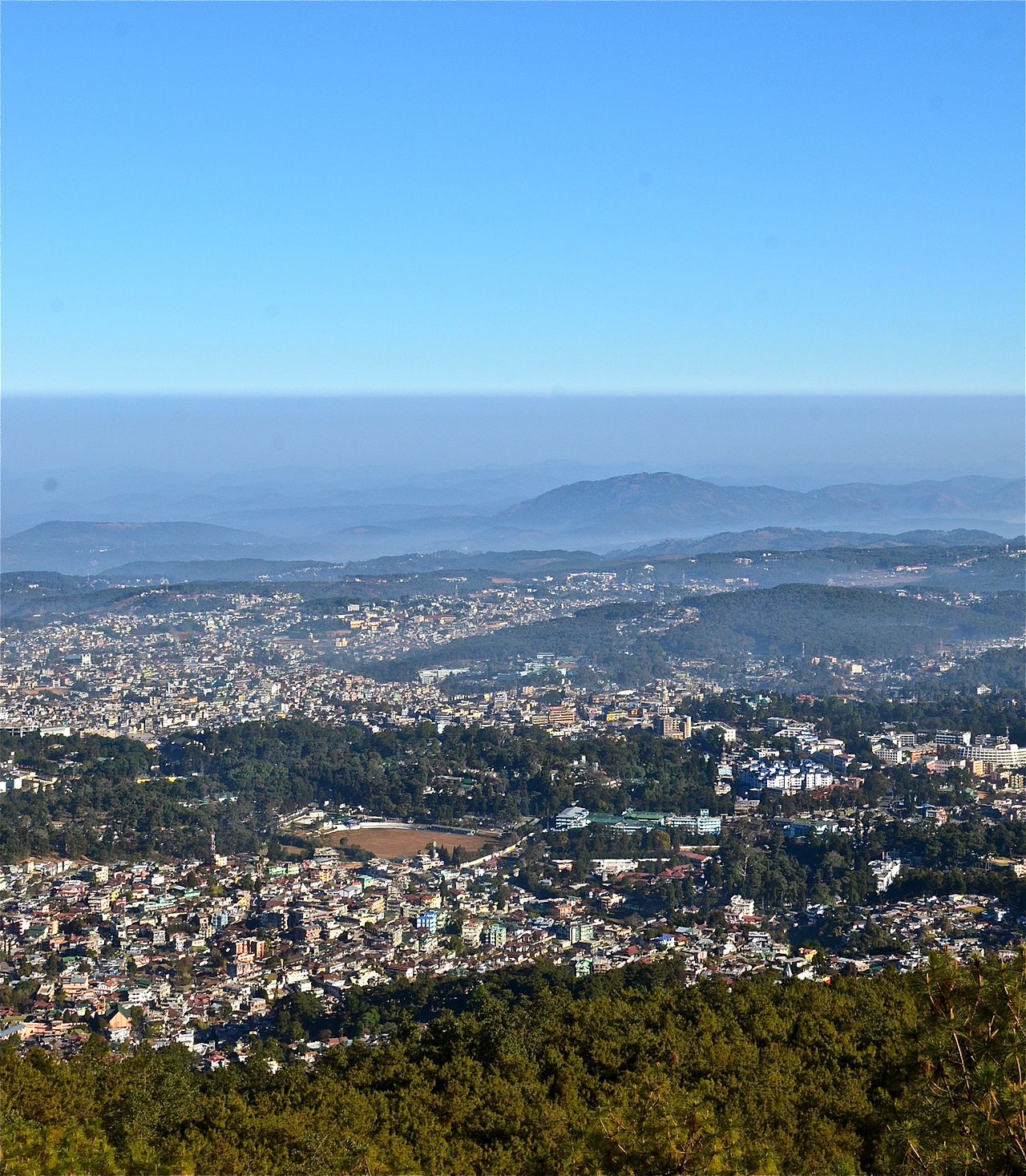
Meghalaya is a state in the northeastern region of the Republic of India. It occupies a compact, largely hilly area of roughly 22,429 km² (about 8,660 sq mi), a size often compared to small countries such as Israel or Belize. The state capital is Shillong. Locally the name appears in regional scripts and languages; for example, it is recorded in Bengali as মেঘালায়া. Meghalaya is traditionally placed within the North-East Indian geographical zone and is bordered by Assam to the north and east and by Bangladesh to the south.
Image gallery
10 Images




Geography and climate
The terrain is dominated by the Shillong Plateau and associated hills that drain into several rivers. Much of the state is covered by forests and grasslands. Meghalaya is internationally noted for its heavy monsoon rainfall: areas such as Cherrapunji and Mawsynram receive some of the highest annual rainfalls on Earth, producing unique ecosystems, waterfalls and extensive cave systems. The climate ranges from temperate in uplands to humid subtropical in lower valleys.
People, languages and social structure
Meghalaya's population is predominantly tribal, with three main indigenous groups: the Khasi, Garo and Jaintia peoples. These communities maintain distinctive languages, customs and social arrangements; among the best-known features are aspects of matrilineal inheritance in Khasi and Garo societies, where lineage and property often pass through the female line. English is an official language used in administration and education, while regional languages remain important for daily life.
History and political status
Meghalaya was created as a separate administrative unit in the 20th century to recognize the distinctive identity of its hill peoples, and became a full state within India in the early 1970s. Its political life combines traditional institutions and modern democratic structures. Over time the state has negotiated issues of autonomy, land rights and cultural preservation alongside the demands of development.
Economy, culture and notable features
The economy is based largely on agriculture, forestry, small-scale mining, and services, with tourism growing as a contributor. Visitors come for scenic hills, living root bridges crafted from tree roots, waterfalls, and cultural festivals. Shillong is a cultural and educational hub known for music and arts. Local handicrafts, weaving and agricultural products form part of the rural livelihood base.
Challenges and distinguishing facts
Meghalaya faces several ongoing challenges: balancing development with environmental protection, managing tensions that can arise between tribal and non-tribal communities, and addressing infrastructure needs in hilly terrain. Important distinguishing facts include:
- High rainfall and unique biodiversity, including cloud forests and cave systems.
- Strong traditions of matriliny among several indigenous groups.
- Rich cultural life centered on music, festivals and community customs.
For basic orientation and further reading, resources on area and comparative size are sometimes presented alongside country comparisons such as area figures. Local information and civic resources are often accessed via portals referencing Shillong and regional administrations. The state's mix of natural beauty, cultural distinctiveness and social complexity makes it a notable part of India's northeastern landscape.
Related articles
Author
AlegsaOnline.com Meghalaya — the hill state of northeastern India Leandro Alegsa
URL: https://en.alegsaonline.com/art/63531
Sources
- meghalaya.nic.in : "At a Glance, Meghalaya"
- books.google.com : Israel: A Country Study
- nationsencyclopedia.com : "Belize - Location and size, Population, Industry, Mining, Manufacturing, Construction, Services"