
Nome, Alaska: Coastal Hub of Gold, Sled Dogs, and Arctic Life
Nome is a remote city on Alaska’s Seward Peninsula, noted for its gold-rush legacy, the 1925 serum run, sled-dog culture, and an economy based on mining, fishing and services.
Overview
Nome sits on the southern coast of the Seward Peninsula along Norton Sound of the Bering Sea. It is the principal community of the Nome Census Area in the U.S. state of Alaska. Located well north of the typical road network, Nome functions as a regional center for surrounding villages and offers port, air, and seasonal supply connections to the rest of the state.
Image gallery
10 Images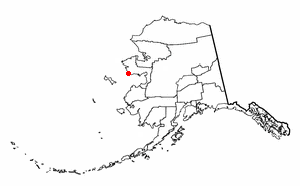



Geography and climate
Nome’s setting on a coastal plain and tundra means short summers and long, cold winters with sea ice and strong winds. Permafrost affects building and infrastructure, while coastal beaches are famous for accessible placer gold. The combination of shoreline, tundra, and maritime influence shapes local subsistence patterns and the timing of shipping and aviation services.
History and notable events
The town emerged during a late-19th/early-20th-century gold rush that drew prospectors and equipment to coastal beaches and nearby creeks. Nome’s boom transformed it into a supply and service center for mining activity. A defining episode in its history occurred in the winter of 1925, when a diphtheria outbreak threatened local populations. Severe diphtheria affected remote communities, including many Inuit families. With blizzard conditions and dangerous flight weather, a relay by dog sled teams carried lifesaving serum from Anchorage and other points to Nome. The final sled driver of the relay, the Norwegian-born Gunnar Kaasen, led a team whose lead dog, Balto, became a symbol of the effort. That event is commemorated by the annual Iditarod trail race.
Economy, culture and media
Mining—both historical placer operations and modern exploration—remains an important economic and cultural touchstone. Commercial and subsistence fishing, government services, and tourism also contribute to the local economy. Nome hosts cultural institutions and events that reflect Indigenous (including Inupiat) heritage and frontier history. The city’s weekly newspaper, the Nome Nugget, is one of the oldest continuously published papers in Alaska. Nome has also served as the base for contemporary media about regional industries, including the reality series Bering Sea Gold, which documents modern gold-mining activity around the area.
Transportation and daily life
Because of its remote location, Nome relies on a small airport, seasonal barge service, and an ice-influenced harbor. Road links to other parts of the state are limited, so many goods arrive by sea or air during the open season. Residents adapt to Arctic conditions through winter preparedness, reliance on local foods when possible, and community services that support remote villages.
Notable facts and visitor highlights
- Nome has long promoted itself as home to a very large decorative gold pan, a claim shared by other towns; such civic rivalries are part of the town’s identity.
- Beach gold remains a draw for hobby prospectors; visitors can often find traces of placer gold along the shore.
- The 1925 serum run and the dogs and mushers involved are remembered in local museums and interpretive sites tied to historic sled-dog culture.
- Nome’s remoteness and climate make it a place where traditional subsistence activities and modern commerce coexist, giving it a distinctive blend of Arctic life and gold-rush heritage.
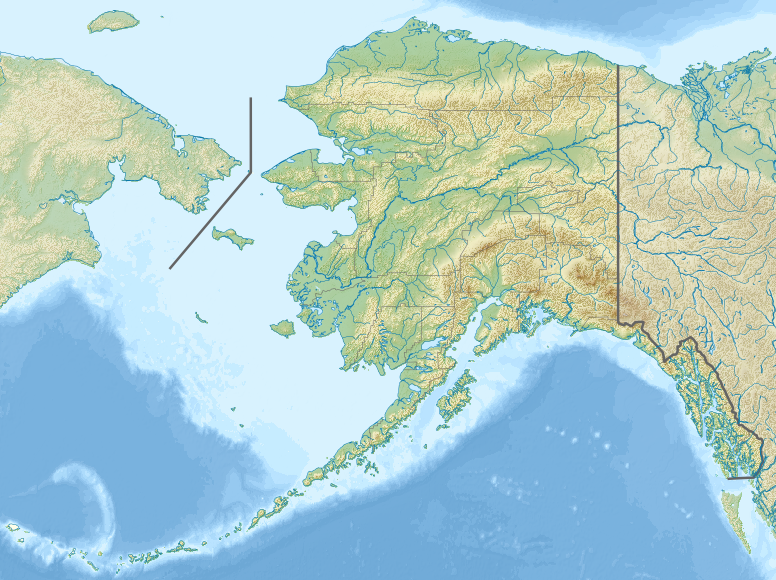
For more detailed maps and regional context, see resources on the Seward Peninsula and the maritime environment of the Bering Sea. Local histories and archives hosted by regional institutions and the Nome Census Area provide additional reading on settlement, mining, and Indigenous communities in Alaska. Contemporary accounts of the 1925 emergency reference the outbreak of diphtheria, impacts on Inuit villages and the role of severe blizzard weather, the logistical hub at Anchorage, and the relay by dog sled teams that delivered the lifesaving serum. Individual participants such as Gunnar Kaasen and lead dogs like Balto remain part of public memory and commemorative events including the Iditarod. For contemporary cultural portrayals, see series such as Bering Sea Gold.
Related articles
Author
AlegsaOnline.com Nome, Alaska: Coastal Hub of Gold, Sled Dogs, and Arctic Life Leandro Alegsa
URL: https://en.alegsaonline.com/art/70581