
Inuit — Indigenous peoples of the Arctic
The Inuit are Indigenous peoples of the Arctic—living across northern Canada, Greenland, Alaska and other circumpolar regions—known for marine-based subsistence, distinct languages, art, and modern self-governance.
Overview
The Inuit are Indigenous peoples whose traditional homelands span the Arctic coastline and islands of the North American and Greenlandic Arctic. Their communities are found across northern Canada, Greenland, parts of the Arctic islands and mainland Arctic region, and in portions of northern Alaska. Inuit cultures developed specialized knowledge and technologies for living in cold, often sea-ice environments. Today many Inuit people combine traditional livelihoods with modern education, governance, and urban life.
Image gallery
10 Images






Language and groups
The Inuit speak languages of the Inuit branch of the Eskimo–Aleut family; dialects include Inuktitut, Inuinnaqtun, Kalaallisut and others. These languages are closely related but distinct, and terminology for groups varies by place. In Canada the plural term "Inuit" is widely used; in Greenland many identify as Kalaallit. In Alaska related groups use names such as Iñupiat or Yup'ik; some Alaska communities prefer those local terms rather than the broader label. Names and identities are important and people typically choose how they wish to be addressed.
Traditional lifeways and material culture
Inuit economies historically centered on hunting, fishing and gathering adapted to Arctic conditions. Key resources included seals, walrus, whales, fish and caribou. Technologies and cultural practices developed to match seasonal patterns:
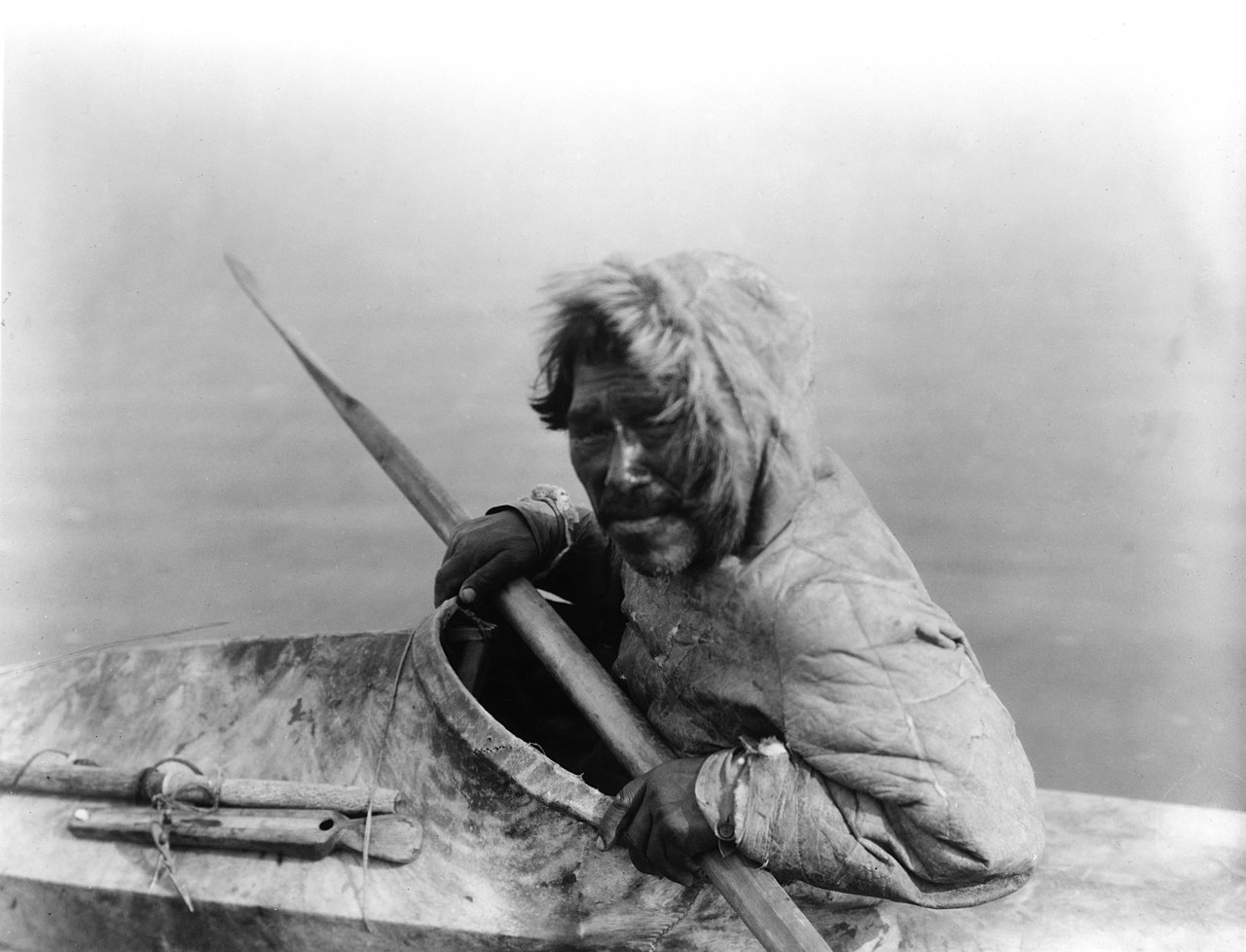
- Clothing: layered garments made from stitched animal skins and furs that provide insulation and water resistance.
- Transport: dog sleds (sledges), kayaks for hunting, and umiaks for larger group travel.
- Shelter: seasonal dwellings ranged from sod houses and tents made of skins to temporary snow houses (igloos) used in winter.
- Toolmaking and art: bone, ivory and stone tools; carving and printmaking have long been important artistic forms.
History and external contact
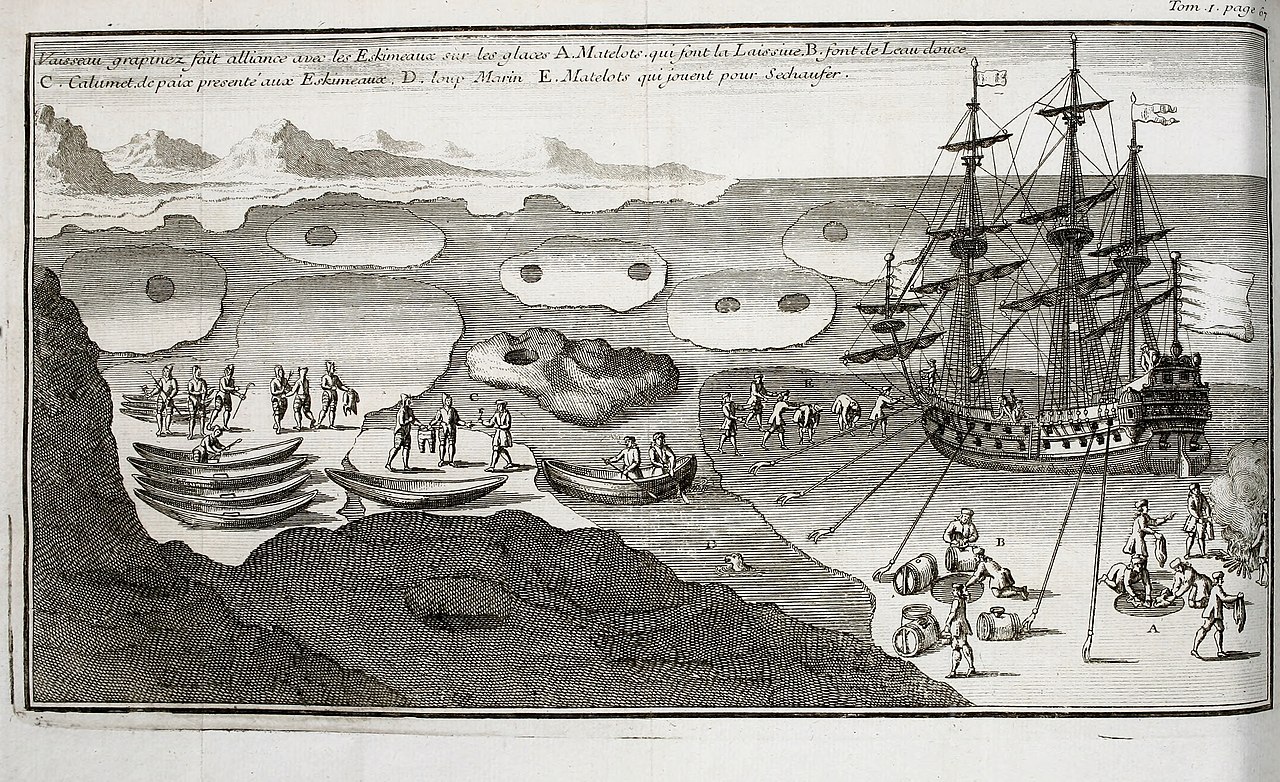
Archaeological and oral histories describe long-term occupation of Arctic lands by predecessors of modern Inuit. Around the first millennium CE, cultural shifts associated with the Thule people spread technologies suited to sea-mammal hunting across much of the North American Arctic. From the medieval period onward, contacts with European explorers, whalers and traders introduced new goods, diseases and social changes. Colonial policies in the 19th and 20th centuries had profound effects on Inuit societies, including relocation, missionary activity and government programs.
Contemporary life and governance
In recent decades Inuit organizations have advanced land claims, cultural preservation and political autonomy. Examples include the creation of Nunavut in Canada (a territory with a majority Inuit population and territorial government) and self-governance agreements that recognize Indigenous rights to land and resources. Inuit also participate in international forums through bodies such as the Inuit Circumpolar Council, which connects Arctic Indigenous peoples across national borders. Contemporary concerns include economic development, education, language revitalization and the disproportionate impacts of climate change on Arctic environments and subsistence ways of life.
Names, distinctions and notable facts
The word "Eskimo" has been used historically in English but its acceptability varies by region and community; many prefer "Inuit" or specific community names. The origin of the older term is debated and translations like "eater of raw meat" are inaccurate misrepresentations. It is more respectful to use the names people use for themselves. Inuit cultural contributions—such as distinctive carving, throat singing, and knowledge of sea-ice ecology—are widely recognized and continue to be central to identity in both traditional and contemporary contexts.
Further reading and resources
For introductions and community resources consult regional and governmental sources as well as institutions focused on Arctic research and Indigenous rights. General overviews and culturally specific information are available through government pages, Indigenous organizations, and academic materials (see links for regional context).
Canada • Greenland • Arctic region • Alaska
Questions and answers
Q: What is the name of the First Nations group that lives in cold places of northern Canada, Greenland, the Arctic and Alaska?
A: The Inuit are one of many groups of First Nations who live in very cold places of northern Canada, Greenland, the Arctic and Alaska.
Q: Where does the term Eskimo come from?
A: The term Eskimo likely comes from the Algonquin language and may mean "eater of raw meat" which is a fallacy many believe due to misinformation. The actual meaning is "netter of snowshoes."
Q: Do most Inuit prefer to be called by their own name or by their tribe name?
A: Most Inuit prefer to be called by their own name, either the more general Inuit particularly in Canada or their actual tribe name.
Q: Is Inuit a tribe name?
A: Yes, Inuit is a tribe name but not all indigenous Arctic peoples in North America are Inuits.
Q: How would people living in Alaska refer to themselves?
A: Particularly in the United States Alaska, people would probably refer to themselves by their tribe name rather than using the word Eskimo as a more general term.
Tags
Related articles
Author
AlegsaOnline.com Inuit — Indigenous peoples of the Arctic Leandro Alegsa
URL: https://en.alegsaonline.com/art/47885