
Diphtheria: causes, symptoms, treatment, prevention
An overview of diphtheria, a bacterial infection caused by Corynebacterium diphtheriae, covering symptoms, complications, diagnosis, treatment (antitoxin and antibiotics) and prevention by vaccination.
Overview
Diphtheria is an acute infectious disease caused by the bacterium Corynebacterium diphtheriae. It most commonly affects the upper respiratory tract and skin. The illness results from a potent toxin produced by some strains of the bacterium, which can damage local tissues and distant organs. For a guide to how the name is pronounced see pronunciation.
Image gallery
5 Images



Cause and pathogenesis
The severity of disease depends on whether the infecting strain carries a toxin gene delivered by a bacteriophage. The toxin interferes with protein synthesis in host cells, producing the characteristic grayish membrane in the throat and contributing to systemic injury. Transmission is typically by respiratory droplets or close contact with infected skin lesions or contaminated objects.
Symptoms and complications
Clinical presentation varies from mild local infection to life-threatening systemic disease. Common signs include:
- Sore throat, fever, swollen glands, and formation of a thick pseudomembrane in the throat
- Difficulty breathing, hoarseness, and a barking cough in respiratory cases
- Chronic or ulcerative lesions in cutaneous (skin) diphtheria
Serious complications can follow toxin spread, notably myocarditis (heart inflammation), nerve damage leading to paralysis, and airway obstruction. Prompt recognition is important because complications may develop after the acute throat symptoms.
Diagnosis and treatment
Diagnosis is based on clinical signs and laboratory tests that identify the bacterium and its toxin. Immediate medical care focuses on neutralizing toxin and controlling infection. Treatment commonly includes passive antitoxin to neutralize circulating toxin (antitoxin) and antimicrobial therapy to eradicate the organism (antibiotics). Supportive care may include airway management and monitoring for cardiac or neurological complications.
Prevention
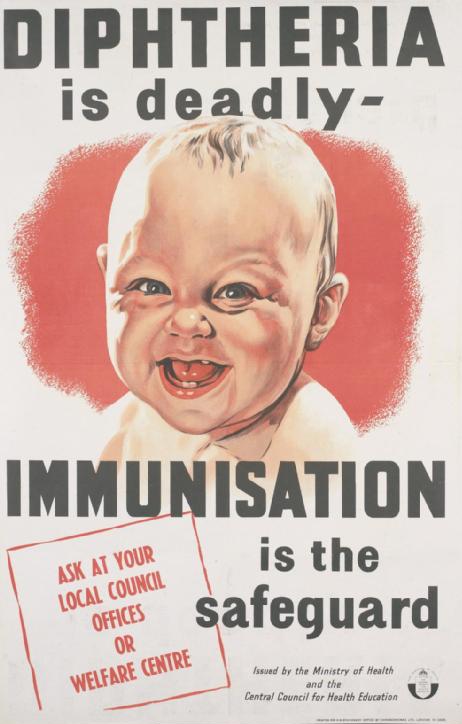
Vaccination is the principal public health measure to prevent diphtheria. Routine immunization with a diphtheria-containing vaccine has dramatically reduced disease incidence where coverage is high. Booster doses are recommended in many schedules to maintain immunity through adulthood. For information about vaccine options see vaccine.
History and public health
Diphtheria was a major cause of childhood illness and death before the development of effective antitoxin therapy and vaccines in the late 19th and early 20th centuries. Early bacteriological studies by clinicians such as Klebs and Löffler helped establish the bacterial origin of the disease. Today, outbreaks still occur when vaccination coverage falls, so surveillance and immunization remain priorities.
Notable distinctions
Not all strains of C. diphtheriae produce toxin; non-toxigenic strains can cause local infection but are less likely to cause systemic disease. Cutaneous diphtheria is more common in some tropical regions and among people with skin trauma. Because timely administration of antitoxin is critical, diphtheria is treated as a clinical emergency when suspected.
Questions and answers
Q: What is diphtheria?
A: Diphtheria is an infectious disease caused by a bacterium called Corynebacterium diphtheriae.
Q: How can diphtheria be treated?
A: Diphtheria can be treated by special drugs, or by antibiotics.
Q: Is there a way to prevent diphtheria?
A: Yes, there is a vaccine which can prevent diphtheria.
Q: What kind of problems can diphtheria cause?
A: Diphtheria can cause serious problems, such as difficulty breathing, heart failure, paralysis, and death.
Q: Can diphtheria be transmitted from person to person?
A: Yes, diphtheria can be transmitted from person to person through respiratory droplets, or by skin-to-skin contact.
Q: Who is at risk of getting diphtheria?
A: Anyone who has not been vaccinated against diphtheria is at risk of getting the disease.
Q: How is diphtheria diagnosed?
A: Diphtheria is diagnosed by taking a sample of the infected tissue or throat culture and testing it in the laboratory.
Related articles
Author
AlegsaOnline.com Diphtheria: causes, symptoms, treatment, prevention Leandro Alegsa
URL: https://en.alegsaonline.com/art/27559