
Sled dog
Working dogs bred and trained to pull a sled or sleigh over snow and ice, used historically for transport and today for sport, tourism, search and rescue, and cultural traditions.
Overview: A sled dog is a dog trained and used to pull a wheel-less vehicle on runners — a sled or sleigh — across snow and ice. Teams of sled dogs have been an essential means of travel and freight in arctic and subarctic regions where other transport is impractical. They are valued for endurance, social cooperation, and adaptation to cold climates.
Image gallery
10 Images
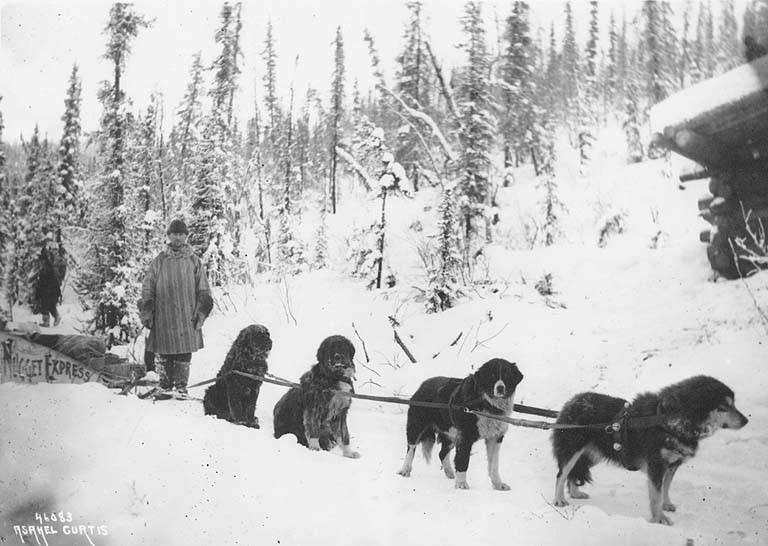


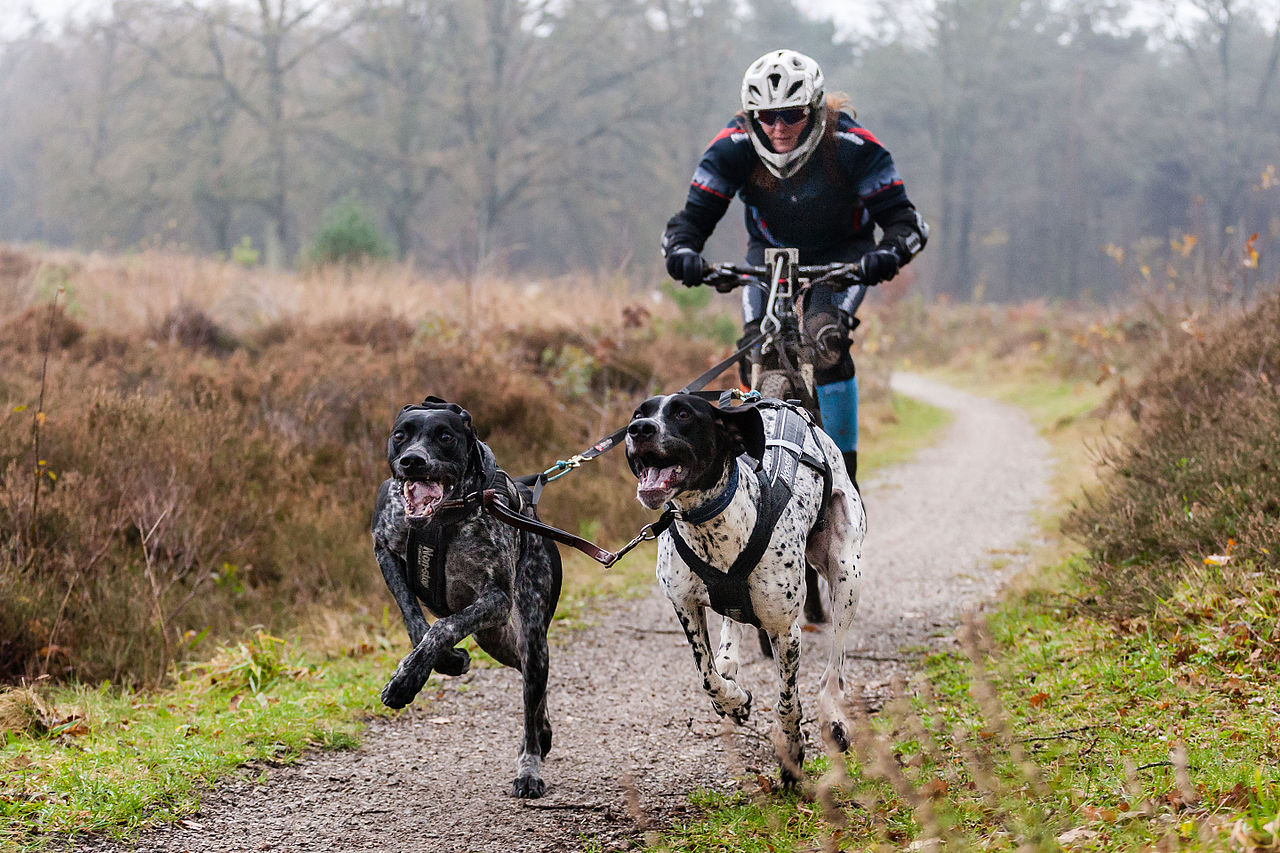


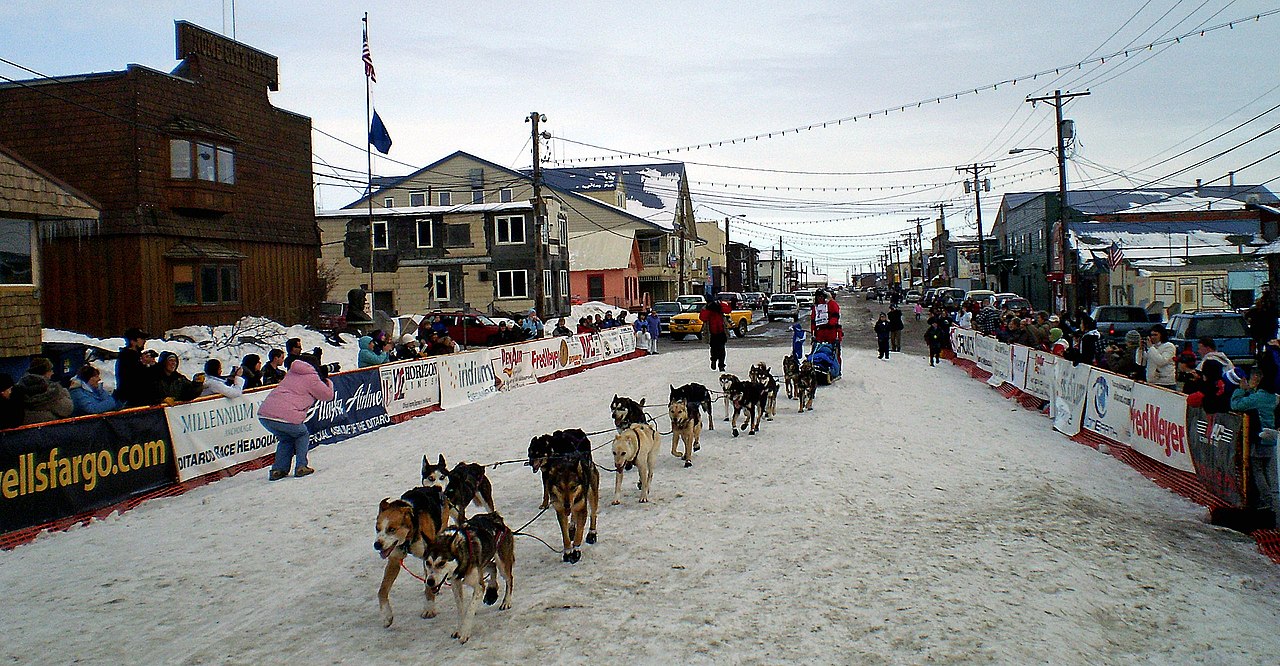
Characteristics and equipment
Sled dogs are selected for stamina, efficient gait, thick coats, and willingness to work in teams. Typical gear includes harnesses, ganglines, tuglines, and a sled runner system designed to glide on packed snow. Handlers (mushers) use voice commands and a brake on the sled to control speed and direction.
History and development
Indigenous peoples in northern regions developed sled transport over millennia as a way to hunt, trade, and move across frozen landscapes. With exploration and settlement, sled dogs also served in mail delivery, polar expeditions, and early scientific fieldwork. Their role shifted as mechanized vehicles and aircraft became available, but they remain important where engines are impractical.
Uses and examples
Today sled dogs are used in a variety of roles:
- Long- and short-distance racing and recreational mushing.
- Tourism and guiding in cold-climate destinations.
- Search and rescue and community support in remote areas.
- Preservation of cultural practices among indigenous communities.
Breeds and training
Common types used for pulling include northern spitz and work breeds and those bred specifically for sled work. Well-known examples include dogs developed for endurance and speed. Training emphasizes acclimation to harness, team cooperation, and obedience to standard voice commands.
Distinctions and notable facts
Sled dog teams vary in size and arrangement: some systems fan out to distribute power, others run in tandem for control. Organized races and long-distance trials highlight both the athleticism of dogs and the skill of mushers, and many communities continue to celebrate sled dog heritage through events and education.
Related articles
Author
AlegsaOnline.com Sled dog Leandro Alegsa
URL: https://en.alegsaonline.com/art/91071