
Nok culture: ancient terracotta producers and early ironworkers of West Africa
The Nok culture (c.1000 BC–300 CE) of central Nigeria is famed for its terracotta sculptures and early ironworking. Archaeological evidence reveals complex craft, farming and regional influence.
Overview
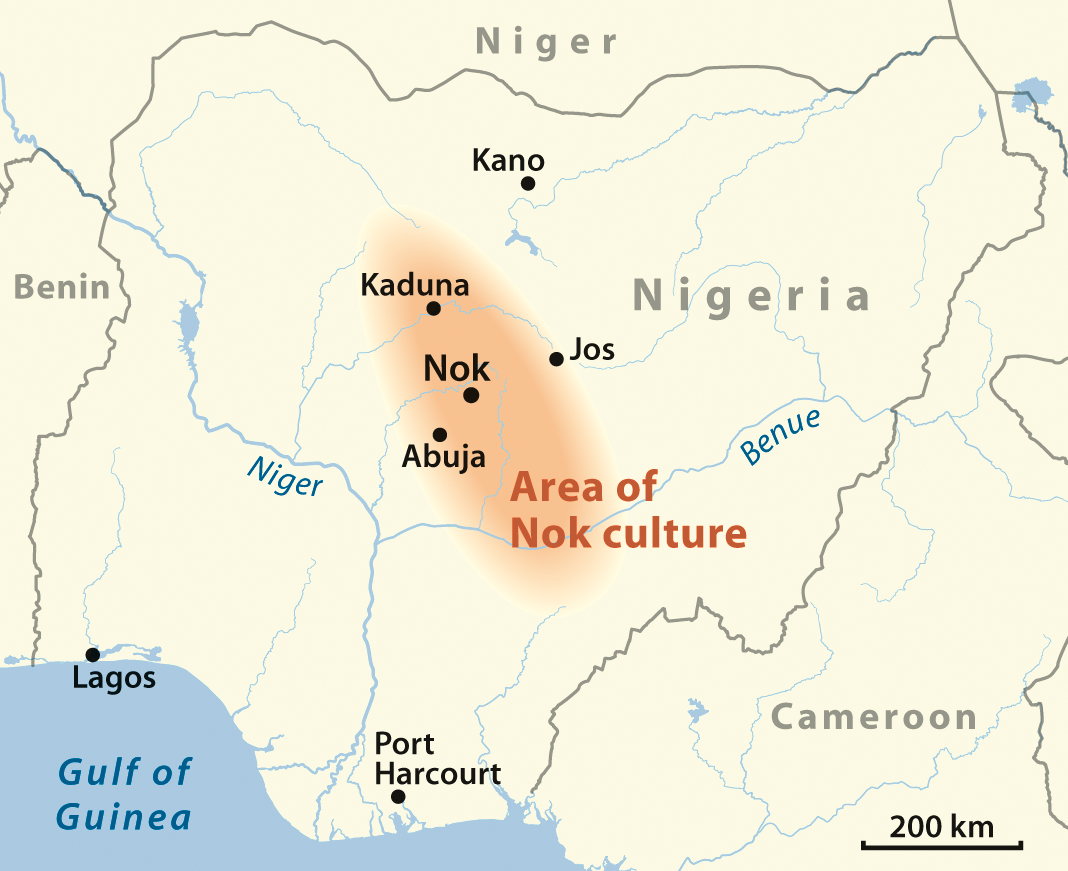
The Nok culture flourished in what is now central and northern Nigeria from roughly 1000 BC until about 300 CE. It is best known for large, often naturalistic fired-clay figures and for early evidence of iron working. Key archaeological concentrations are found on the Jos Plateau and surrounding areas; coordinates for principal finds are often cited near 9°30′N 8°0′E.
Image gallery
10 Images



Distinctive characteristics
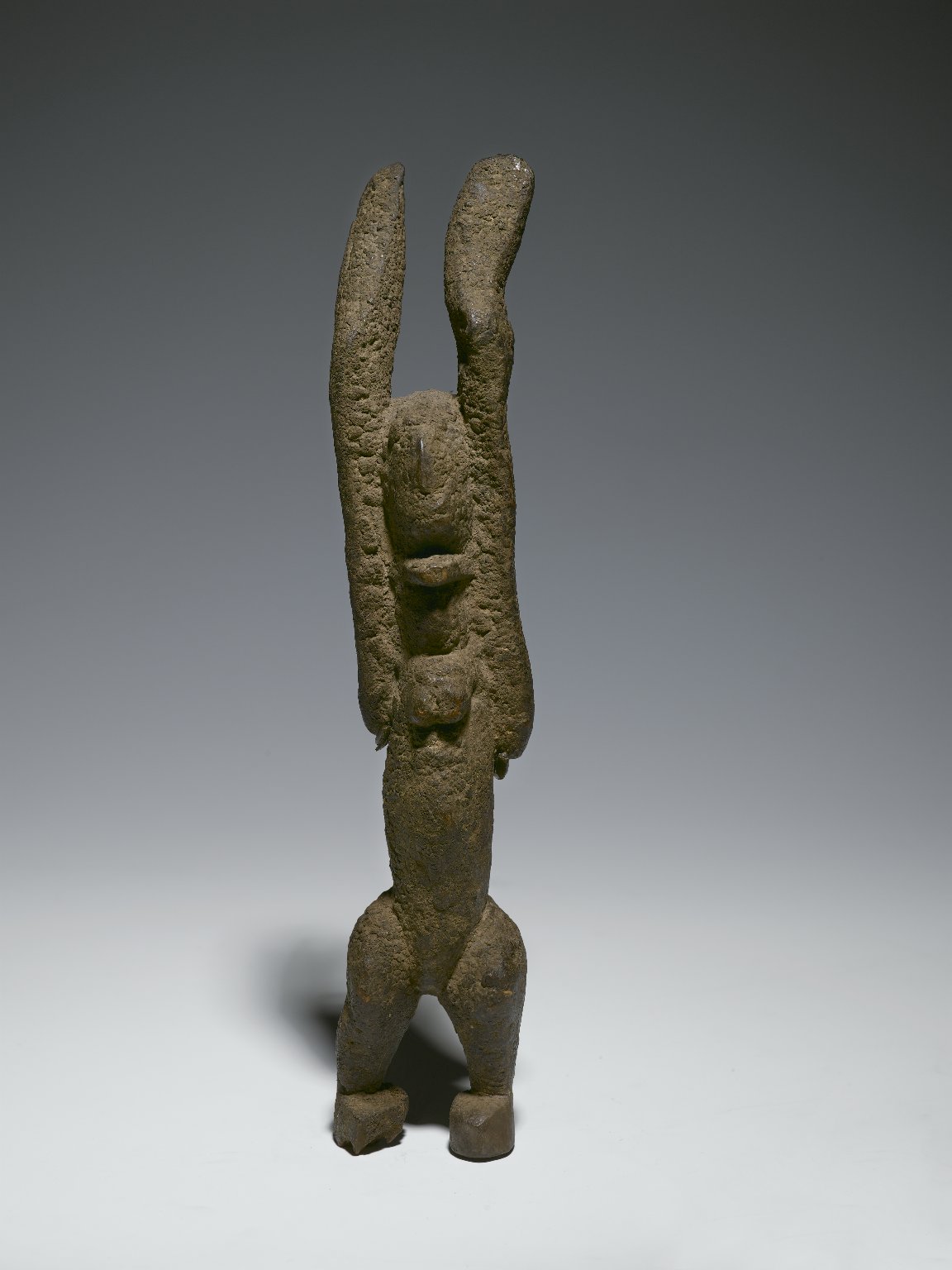
Nok material culture includes life-sized and smaller terracotta sculptures that depict human figures, animals and hybrid forms. The sculptures frequently display stylized facial features, elaborate hair or headgear, and open mouths or expressive eyes. Technically, many are hollow-built and fired, reflecting sophisticated ceramic knowledge. In addition to ceramics, sites yield iron tools and slag, pointing to organized smelting and metalworking activities using iron.
Archaeology and dating
Systematic discovery began in the 20th century as local excavations and mining exposed Nok artifacts. Radiocarbon dating and stratigraphic study place the culture’s main period between about 1000 BC and 300 CE, although exact start and end dates remain debated. Archaeologists recover pottery sherds, figurines and metallurgical debris across multiple sites, suggesting a dispersed but connected cultural tradition.
Economy, social organization and technology
Evidence implies a mixed economy of agriculture, animal husbandry and craft production. Iron implements would have supported more effective clearing and farming, while surplus and craft goods may have fostered social differentiation. The scale and quality of ceramics and metalwork suggest specialized artisans and some degree of social complexity beyond small kin groups.
Historical significance and connections
The Nok are widely regarded as the earliest known makers of large terracotta sculptures in sub-Saharan Africa. Scholars have proposed that cultural traditions visible in Nok art and technology could have influenced or contributed to later West African civilizations; some suggest possible links to later groups such as the Yoruba, though continuity and direct descent remain subjects of research and debate. Nok sites therefore illuminate long-term processes of cultural development in the region.
Notable facts and ongoing research
Research into the Nok culture continues to refine understanding of its chronology, social organization and decline. Causes for the culture’s disappearance around the early centuries CE are uncertain and may include environmental change, population movement or internal transformation. Excavations and laboratory analyses aim to clarify manufacturing techniques and trade networks. For further contextual mapping and resources see regional databases and site reports (art and sculpture catalogues, metallurgy studies, site coordinates, national heritage listings, ironworking research, ceramic analyses, comparative studies, ethnohistoric discussions).
Related articles
Author
AlegsaOnline.com Nok culture: ancient terracotta producers and early ironworkers of West Africa Leandro Alegsa
URL: https://en.alegsaonline.com/art/70570
Sources
- commons.wikimedia.org : Nok culture