
Numismatics: the study and collecting of coins, medals and currency
Numismatics is the scholarly study and collecting of coins, banknotes, medals and related objects. It informs history, archaeology, economics and art through material evidence of money and exchange.
Overview
Numismatics is the discipline concerned with money in all its physical forms and the study of those objects as historical sources. Although often associated with coin collecting, numismatics also embraces banknotes, tokens, medals, seals and other items related to payment and commemoration. Practitioners range from casual collectors to professional historians and archaeologists who use monetary objects to reconstruct past societies.
Image gallery
7 Images


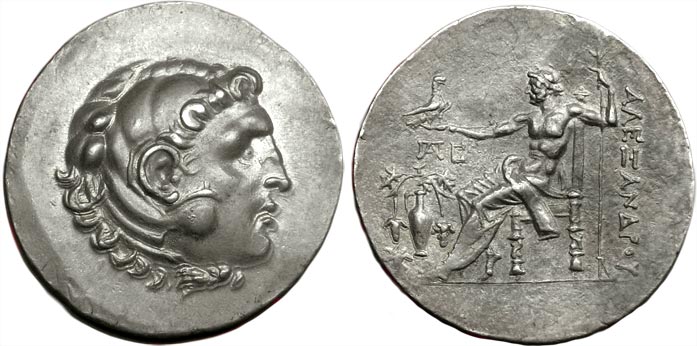

Scope and typical materials
Items commonly studied include:
- Coins — struck or cast pieces of metal issued by authorities or communities.
- Banknotes — paper or polymer currency representing claims on value.
- Medals and decorations — struck to commemorate events or people.
- Tokens and exonumia — privately issued or specialized pieces used for trade, transport, or advertising.
Numismatics examines physical attributes (metal, design, inscriptions), production methods, and the context in which objects circulated.
History and development
Interest in coins is ancient: rulers and collectors in antiquity prized distinctive issues. As a systematic field, numismatics matured during the Renaissance and Enlightenment when scholars began cataloging coins and using them as primary evidence for chronology and geography. In the 19th and 20th centuries museums, academic societies and auction houses professionalized study, conservation and valuation.
Methods, specialties and uses
Numismatists apply a variety of techniques: die-study and typology to classify issues, metallurgical analysis to determine composition, hoard analysis to understand circulation and chronology, and careful provenance research for legal and ethical collecting. Specialties include ancient, medieval, modern, regional, and thematic numismatics.
The discipline contributes to history and archaeology by providing datable, well-preserved evidence of trade networks, state institutions, iconography and economic change. Collectors and institutions also focus on grading, preservation and public display. For practical information and resources, see further reading.
Distinctive points and ethics
Not every coin collector is a numismatist: the latter term implies study and contextual interpretation as well as ownership. Modern numismatics also engages with legal and ethical questions about excavation, cultural patrimony and the legitimate trade in archaeological finds. Museums, academic journals and learned societies continue to set standards for research and conservation.
Related articles
Author
AlegsaOnline.com Numismatics: the study and collecting of coins, medals and currency Leandro Alegsa
URL: https://en.alegsaonline.com/art/71441
Sources
- perseus.tufts.edu : νόμισμα
- penelope.uchicago.edu : 75 on-line text
- net.lib.byu.edu : library web page