
Terracotta: material, uses, history, and preservation
Terracotta is a low-fired, often unglazed earthenware made from clay, used for pottery, sculpture, architectural elements and piping; its warm orange-brown color and porous nature shape its applications and care.
Overview
Terracotta (literally "baked earth") is a type of low-fired earthenware made from clay. The raw ingredient is typically a red or brown clay that is shaped and then fired to produce a hard, porous body. Because it is often left unglazed, the fired surface preserves the natural, warm hue commonly associated with the name. The term can refer both to the material and to objects made from it, and to a particular brownish‑orange color.
Image gallery
10 Images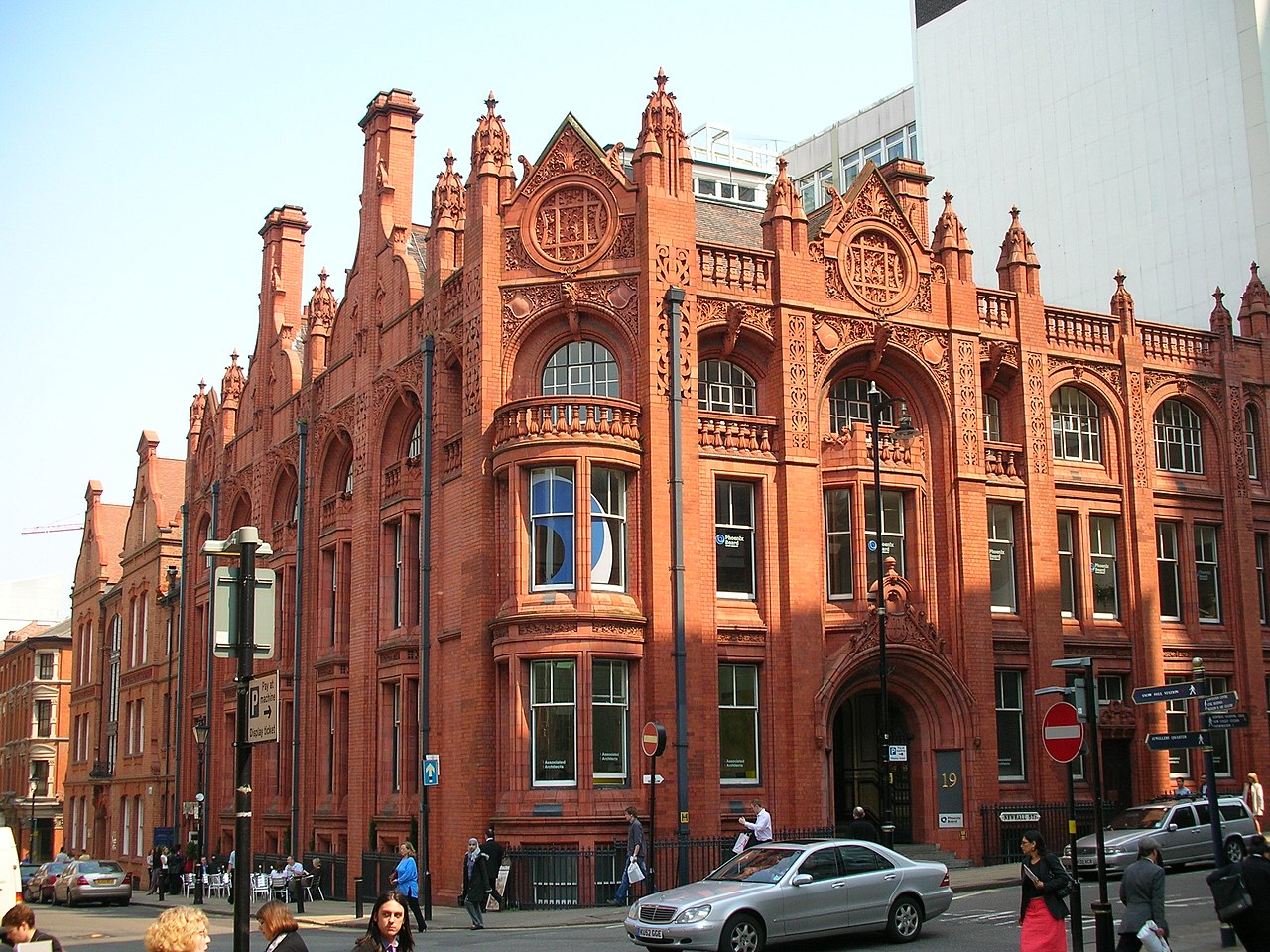


Composition and manufacture
Terracotta is produced by forming a clay body into a vessel, tile, figure or architectural element and heating it at relatively low temperatures compared with stoneware or porcelain. The result is a ceramic item — essentially a baked ceramic — that retains some porosity. Additives, slip coatings, and firing atmosphere affect color and strength, while clay source determines texture and impurities.
Properties and appearance
The characteristic color ranges from pale orange to deep red-brown depending on iron content and firing conditions. Because terracotta is porous, it absorbs water unless sealed. This porosity makes it suitable for some functional uses and vulnerable in freeze-thaw climates, salts, and aggressive pollutants.
Common uses and examples
- Household pottery and decorative vessels, from simple planters to fine figurines.
- Architectural elements such as roof tiles, bricks and molded façades used in building and construction.
- Infrastructure items like water and sewer pipes produced historically in many regions.
- Sculpture: famous examples include the Chinese Terracotta Army and numerous ancient Greek terracotta figurines (Greek terracotta), showing its role in ritual and portraiture.
History and cultural significance
Terracotta is one of the world’s oldest ceramic traditions, found across Asia, Europe, Africa and the Americas. Different cultures exploited its accessibility and ease of shaping to produce everyday wares, funerary objects and monumental sculpture. In the 18th and 19th centuries it saw renewed interest as an architectural material for ornamentation and mass-produced decorative elements.
Care, conservation and distinctions
Conservators treat terracotta cautiously because of its softness and porosity. Stabilization can include desalination, careful consolidation, and protective coatings where appropriate. Technically, terracotta is a form of earthenware and differs from higher-fired stoneware or porcelain by its lower firing temperature and greater porosity. Its color and tactile qualities remain valued today for both historic restoration and contemporary design.
Notable facts
Terracotta's affordability and visual warmth make it ubiquitous: from ancient votive figures to modern architectural façades and gardenware. Its vulnerabilities — notably to frost and salts — have driven specific preservation practices in archaeology and heritage conservation.
Questions and answers
Q: What is terracotta?
A: Terracotta is a type of baked ceramic that is typically made from red clay and is usually unglazed.
Q: What are the uses of terracotta?
A: Terracotta has various uses, such as vessels, water and waste water pipes, surface embellishment in building construction, as well as sculptures such as the Terracotta Army and Greek terracotta figurines.
Q: What is the natural color of terracotta?
A: The natural color of terracotta is brownish orange, and it varies considerably.
Q: Is terracotta a glazed or an unglazed material?
A: Terracotta is usually unglazed.
Q: What is the difference between regular clay and terracotta?
A: Terracotta is a type of clay that is specifically baked at high temperatures to create dense, durable structures that are typically unglazed, while regular clay can be used for various purposes and is often fired at lower temperatures.
Q: Why is terracotta used for water pipes?
A: Terracotta is often used to make water pipes because it is a dense, water-resistant material that can withstand the high pressures and extreme temperatures of flowing water.
Q: What are some examples of sculptures made from terracotta?
A: Some examples of sculptures made from terracotta include the Terracotta Army in China and Greek terracotta figurines.
Related articles
Author
AlegsaOnline.com Terracotta: material, uses, history, and preservation Leandro Alegsa
URL: https://en.alegsaonline.com/art/97109
Sources
- merriam-webster.com : Merriam-Webster.com