
Overburden: definition, composition, removal and environmental issues
Material lying above a deposit or feature that must be removed for mining, excavation or archaeology; includes soil and rock and has important management and reclamation implications.
Overburden is the loose or consolidated material that lies above an area where people intend to dig or excavate. In practical contexts it is the layer that must be removed to access resources or features below, and the term is commonly used where miners or archaeologists need to expose a target. The general idea — a covering layer of earth, broken rock or other surface deposits — is expressed in many disciplines and languages; one often sees the simple label overburden applied to any unwanted overlying material.
Image gallery
2 Images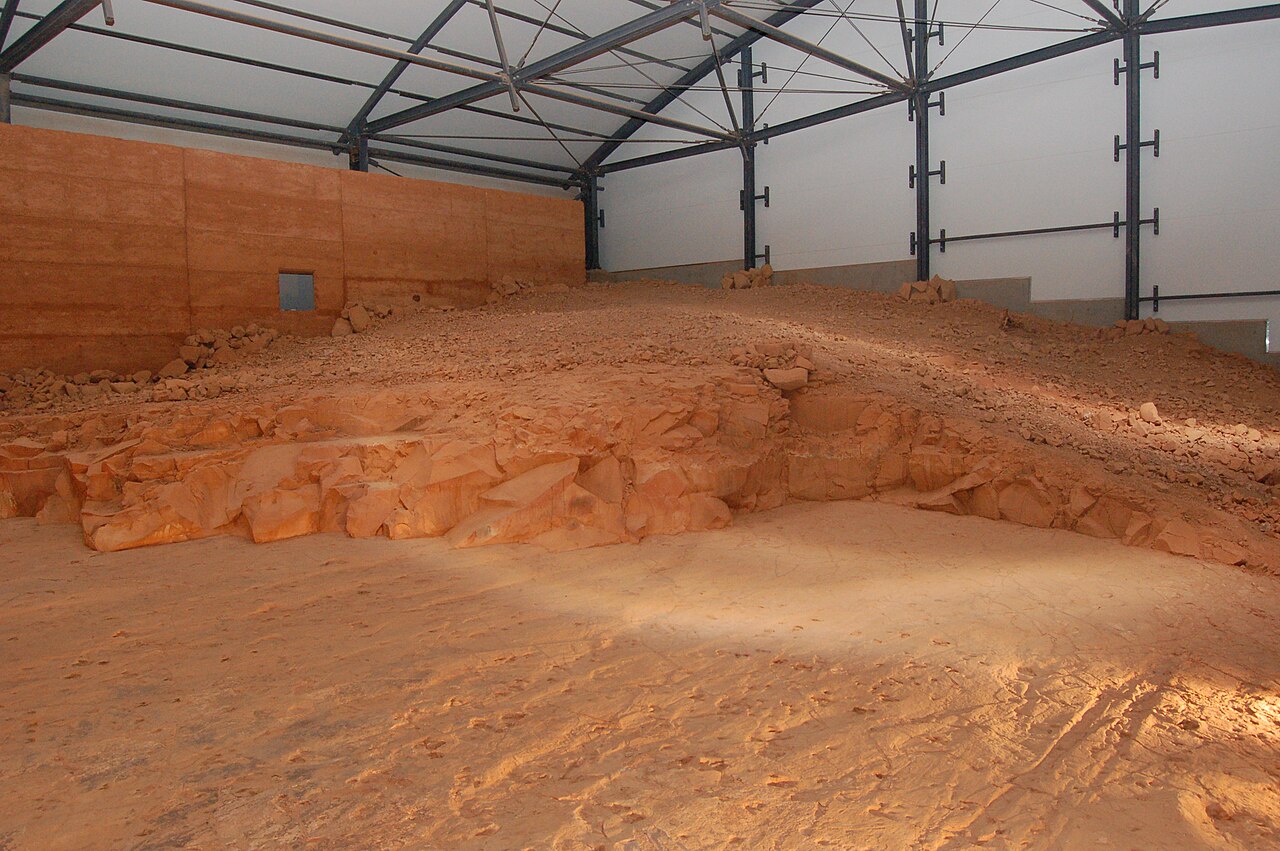

Characteristics and typical components
Overburden varies widely in thickness and makeup. It may be a few centimetres of vegetation and soil or several metres of weathered material and rock. In mining contexts overburden commonly overlies exploitable seams or bodies such as a coal seam or an ore deposit. The character of the overburden — whether loose, cemented, acidic, clayey or sandy — affects how it is excavated, stored and reused.
Removal methods and management
Removal methods are chosen according to scale and sensitivity. Large surface mines use heavy equipment to strip and haul overburden to spoil heaps or purpose-built dumps; smaller excavations may remove it by hand or with small machinery. Key management objectives include minimising erosion, preventing contamination of water, and maintaining material for later reclamation or backfilling. The ratio of overburden removed to mineral recovered (often called a strip ratio) is a major economic factor in surface mining.
Common practices and mitigation
- Progressive rehabilitation: replacing topsoil and recontouring as operations advance.
- Spoil management: stabilising and revegetating dumps to reduce dust and runoff.
- Segregation: keeping topsoil separate for later landscaping or ecological restoration.
- Water controls: managing drainage to prevent acid generation and sediment transport.
Archaeological versus industrial approaches
Though both archaeologists and miners remove overburden, their goals and methods differ. Archaeological excavation emphasizes careful, stratified removal and recording to preserve context; mining prioritises efficient clearance to reach an economic target. Environmental regulations and community expectations increasingly require mining projects to plan how overburden will be used or rehabilitated, reducing long-term landscape impacts.
Understanding overburden is important for planning excavations, assessing costs and designing environmental safeguards. Whether viewed as waste to be managed or a material to be recycled into site restoration, its properties and handling shape the social and ecological outcomes of digging projects.
Related articles
Author
AlegsaOnline.com Overburden: definition, composition, removal and environmental issues Leandro Alegsa
URL: https://en.alegsaonline.com/art/73710