
Palenque — Maya archaeological site in Chiapas
Palenque is a Classic-period Maya city in Chiapas, Mexico, noted for refined architecture, sculpted reliefs and inscriptions. It contains the Palace, the Temple of the Inscriptions, and notable tomb art.
Overview
Palenque (Modern Maya: Bàak') is an ancient Maya city located near the Usumacinta River in the Mexican state of Chiapas. It is smaller than the largest Maya capitals such as Tikal and Copán, yet it is celebrated for the finesse of its buildings, carved reliefs and well-preserved inscriptions. Palenque reached its cultural peak during the Classic period and remains an important source for understanding Maya political life, art and writing.
Image gallery
10 Images






Architecture and art
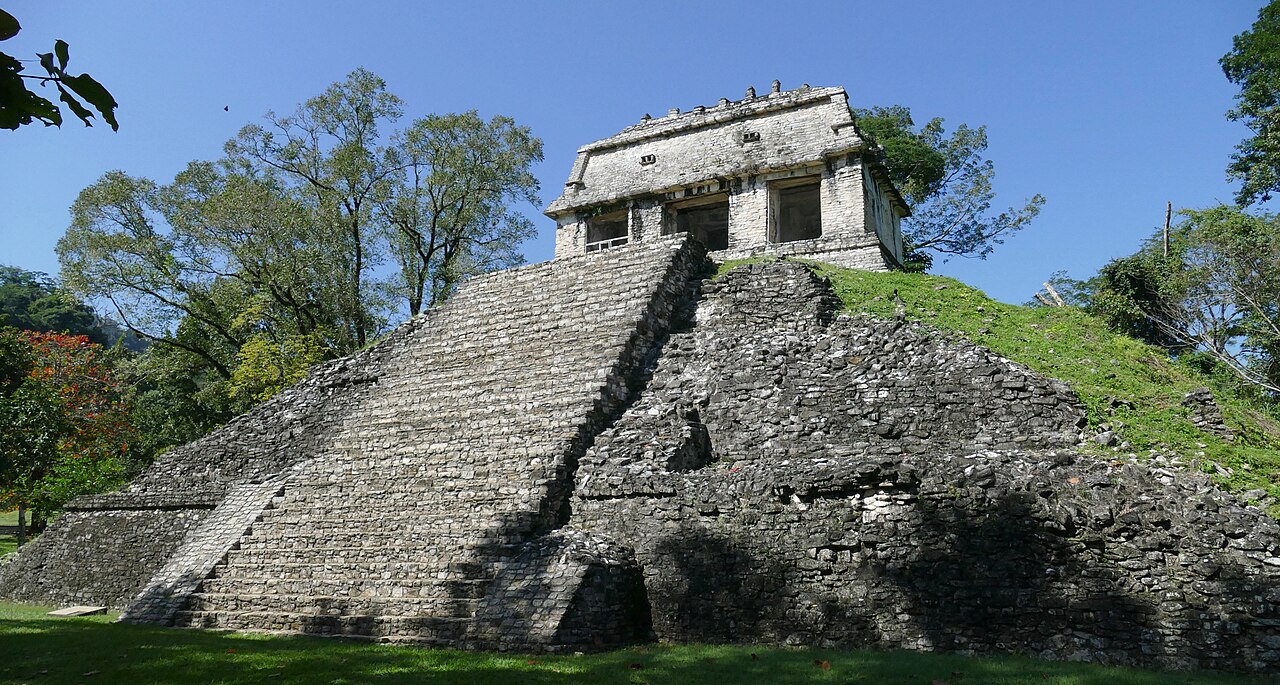
The site is known for an integrated architectural style that combines masonry construction with decorative sculpture and a distinctive roof comb that crowns many temples. Archaeological examples highlight the high level of craftsmanship in stone and stucco.
- Structural forms: pyramidal temples, a royal palace complex and narrow residential compounds.
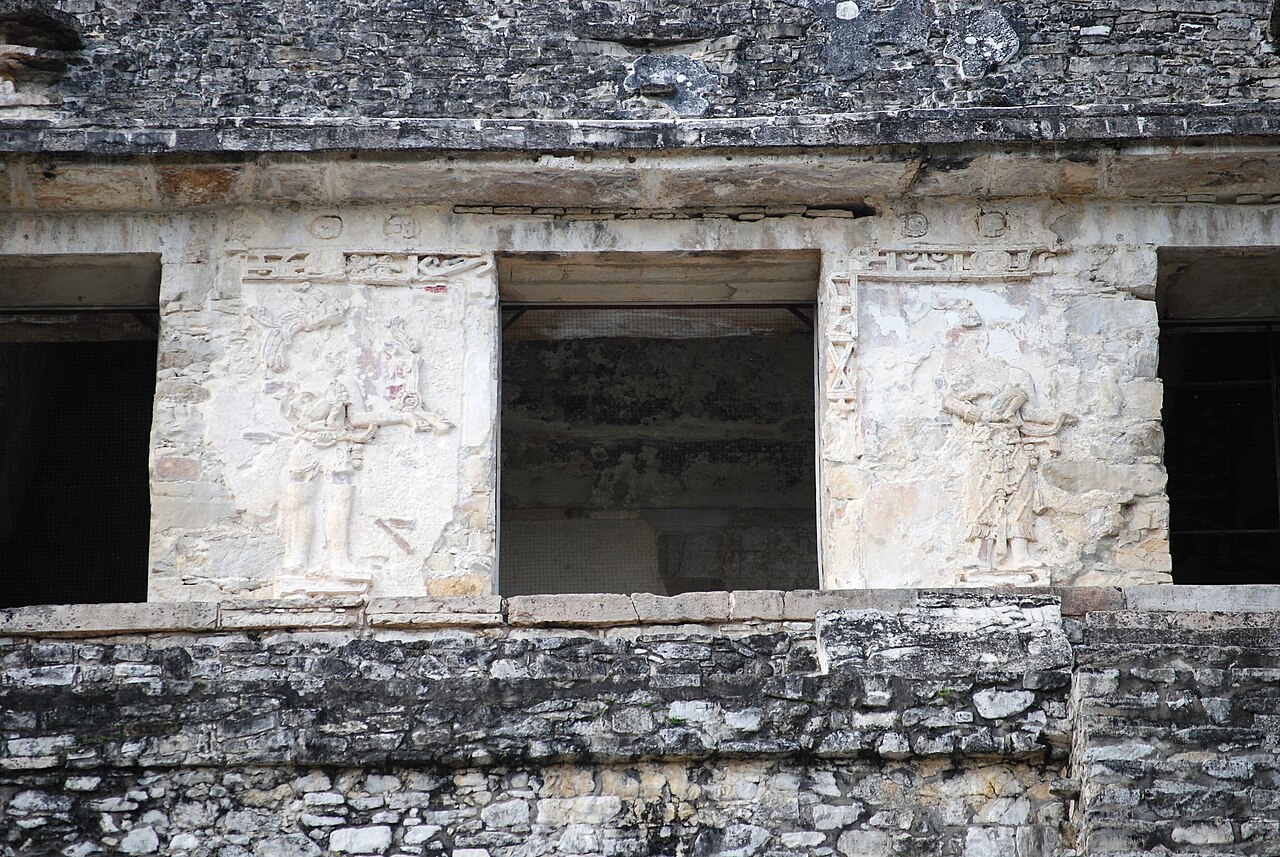
- Decorative features: detailed bas-relief panels and three‑dimensional sculptures.
- Engineering: corbelled vaults and careful orientation in relation to the landscape.
Scholars and visitors often refer to the site's refined architecture, the narrative sculpture that adorns facades and lintels, and the extensive carved bas-relief panels that record rulers and events.
Notable structures and finds
Key monuments include the Palace, an extensive administrative and residential complex; the Temple of the Inscriptions, famous for its hieroglyphic tablet and funerary stair; and several smaller temples bearing sculpted scenes. The tomb of the ruler commonly known as Pakal the Great was identified beneath the Temple of the Inscriptions, and its carved sarcophagus lid is one of the site's most recognized works.
History and research
Palenque was occupied over many centuries but flourished in the 7th century CE under a line of rulers who commissioned architecture and inscriptions. Systematic exploration began in the 18th and 19th centuries and expanded with archaeological excavations and epigraphic study in the 20th century, helping to decipher Maya hieroglyphs and reconstruct political history. Ongoing conservation balances study with protection of fragile carved surfaces.
Significance and visitation
Today Palenque is a protected archaeological site and a UNESCO World Heritage landmark because of its exceptional architecture and informative inscriptions. It is an important destination for scholars of Mesoamerica and for cultural tourism in southern Mexico. Visitors can explore the main groups, study sculptural programs, and learn about Classic Maya civilization while local conservation programs work to preserve this legacy.
Related articles
Author
AlegsaOnline.com Palenque — Maya archaeological site in Chiapas Leandro Alegsa
URL: https://en.alegsaonline.com/art/74156