
Yoruba people
The Yoruba are a major West African ethnic group centered in southwestern Nigeria, with communities in Benin, Togo and a broad diaspora; known for rich languages, kingdoms, arts and religions.
Overview
The Yoruba are an ethnic group primarily concentrated in the southwestern part of Nigeria and with historical presence in adjoining parts of Benin and Togo, and smaller communities in other countries of West Africa. They speak the Yoruba language, part of the Niger–Congo family, and are one of the region's largest cultural groups with a global diaspora.
Image gallery
10 Images

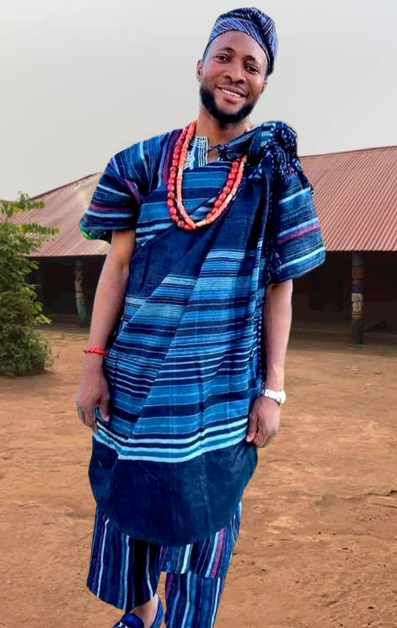


Language and social structure
Yoruba society is organized around extended families, towns and traditional kingdoms. Prominent historic states include Oyo and Ife; local rulers called oba play ceremonial and political roles. The Yoruba language has many dialects and a Latin-based writing system used in literature, education and media.
History and origins
Oral traditions identify Ile-Ife as a spiritual birthplace, a center of early urban development and art. Over centuries, Yoruba city-states developed complex political systems and long-distance trade ties. Colonial-era boundaries placed large Yoruba populations inside modern Nigeria and neighboring territories, influencing national politics and cultural exchange.
Culture, religion and arts
Yoruba culture is noted for sculpture, beadwork, textiles and performing arts. Religious practice includes traditional Ifá divination and a pantheon of deities (orisha), alongside widespread Christianity and Islam. Yoruba religious ideas played a major role in syncretic faiths in the Americas such as Santería and Candomblé.
Contemporary presence and diaspora
Today Yoruba communities remain influential in urban centers and rural towns, contributing to politics, education, music and commerce. Large migrant and descendant populations are found across the Atlantic in the Caribbean and the Americas, where cultural links continue to be celebrated and studied. Smaller Yoruba-speaking groups also live in parts of Ghana and elsewhere in Ghana.
Notable facts
- Distinctive features include strong oral literature, proverbs and festival traditions.
- Major cities with strong Yoruba heritage include Ibadan, Lagos and Ile-Ife.
- Yoruba influence extends into music, religion and contemporary African arts.
Related articles
Author
AlegsaOnline.com Yoruba people Leandro Alegsa
URL: https://en.alegsaonline.com/art/109971
Sources
- cia.gov : Nigeria
- cia.gov : Benin
- joshuaproject.net : Joshuaproject.net
- joshuaproject.net : Joshuaproject.net
- www12.statcan.ca : "Ethnic origins, 2006 counts, for Canada, provinces and territories"
- ncbuy.com : "Nigeria Human Rights Report - Freedom of Religion"